

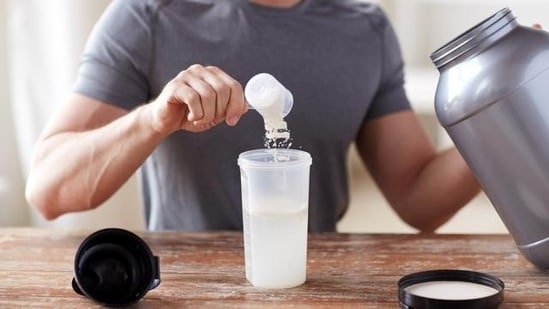
As awareness around the importance of protein in diets has increased, so has the consumption of protein powders in the form of protein shakes. While these products offer an energy and muscle boost, it is important to be vary of the quality. Protein supplements which contain harmful substances like added steroids and heavy metals, can decrease sperm count, reduce movement, and harm sperm health, especially with long-term, excessive use, says a fertility xpert.
Common contaminants include stanozolol, methandienone, and boldenone, which can be present in protein powders and pre-workout drinks. These steroids can also lead to liver damage and hormonal issues. “Male fertility is influenced by several interconnected factors, including hormonal balance, metabolic health, nutritional adequacy, stress levels, and lifestyle habits”, Gynaecologist Dr Kshitiz Murdia, CEO, Indira IVF Hospital Limited, tells Health Shots. Protein is one component within this broader framework.
Is protein essential for sperm production?
Protein is for cellular repair, enzyme activity, and hormone synthesis. “The process of sperm production, known as spermatogenesis, is energy-intensive and dependent on overall nutritional sufficiency,” says the doctor. Inadequate protein intake may compromise overall health, which, in turn, can affect reproductive function.
However, in this context, most men who consume a reasonably balanced diet that includes pulses, dairy, eggs, soy, nuts, or lean meats can meet their daily protein requirements without difficulty. Supplements are often used to bridge perceived gaps or to support higher demands associated with intensive workouts.
What chemicals affect sperm motility?
Certain supplements have been found internationally to contain undeclared anabolic steroids or hormone-modulating compounds. These substances can interfere with the body’s natural testosterone production and disrupt the hormonal signals necessary for sperm formation. In such cases, sperm count and motility may be affected.
Consuming very high quantities of protein without adequate intake of antioxidants, fruits, vegetables, and micronutrients may contribute to oxidative stress. “Oxidative stress has been associated with sperm DNA damage and reduced sperm function”, says Dr Murdia. Fertility outcomes depend not on isolated nutrients but on overall dietary quality and metabolic stability.
Reports in the journal Biology have also highlighted concerns about heavy metal contamination in poorly regulated supplements. While such risks are not universal, they underscore the importance of choosing products that undergo transparent quality testing.
Do protein supplements affect male fertility?
Men who are planning a family or undergoing fertility assessment need not discontinue protein supplements without cause. Instead, a structured approach is advisable. Whole food sources of protein should remain the foundation of the diet. Traditional dietary patterns can be optimised to provide balanced nutrition.
When supplements are required, they should be sourced from reputable manufacturers that provide third-party testing and clear ingredient disclosure. “Protein intake should remain within physiologically appropriate ranges, generally between 1.0 and 1.6 grams per kilogram of body weight, depending on physical activity”, says Dr Murdia. Consuming more does not confer additional fertility benefits.
Equally important are broader lifestyle measures such as maintaining a healthy weight, ensuring adequate sleep, managing stress, avoiding tobacco, and limiting alcohol consumption. These factors often exert a more substantial influence on sperm health than supplementation alone.
Do protein shakes affect sperm count?
Protein shakes, when sourced carefully and consumed in appropriate quantities, are not inherently harmful to sperm count in healthy men. The greater concern arises from indiscriminate use, substandard products, and an overreliance on supplements at the expense of balanced nutrition.
How does lifestyle affect male fertility?
Male fertility reflects overall health, hormonal balance, metabolic stability, and lifestyle discipline. While responsible fitness practices can coexist with reproductive well-being, decisions about supplementation should be informed rather than driven by assumptions. For men who are planning conception, undergoing fertility treatment, or seeking to optimise sperm health, personalised medical evaluation remains the most reliable approach.
A physician can assess nutritional needs, recommend appropriate supplementation where necessary, and ensure that choices align with health parameters. Professional guidance provides clarity, reduces unnecessary anxiety, and ensures that efforts toward physical fitness are aligned with long-term reproductive goals.
(Disclaimer: At Hindustan Times, we help you stay up-to-date with the latest trends and products. Hindustan Times has an affiliate partnership, so we may get a part of the revenue when you make a purchase. We shall not be liable for any claim under applicable laws, including but not limited to the Consumer Protection Act, 2019, concerning the products. The products listed in this article are in no particular order of priority.)
(Note to readers: This article is for informational purposes only and not a substitute for professional medical advice. Always seek the advice of your doctor with any questions about a medical condition.)
