

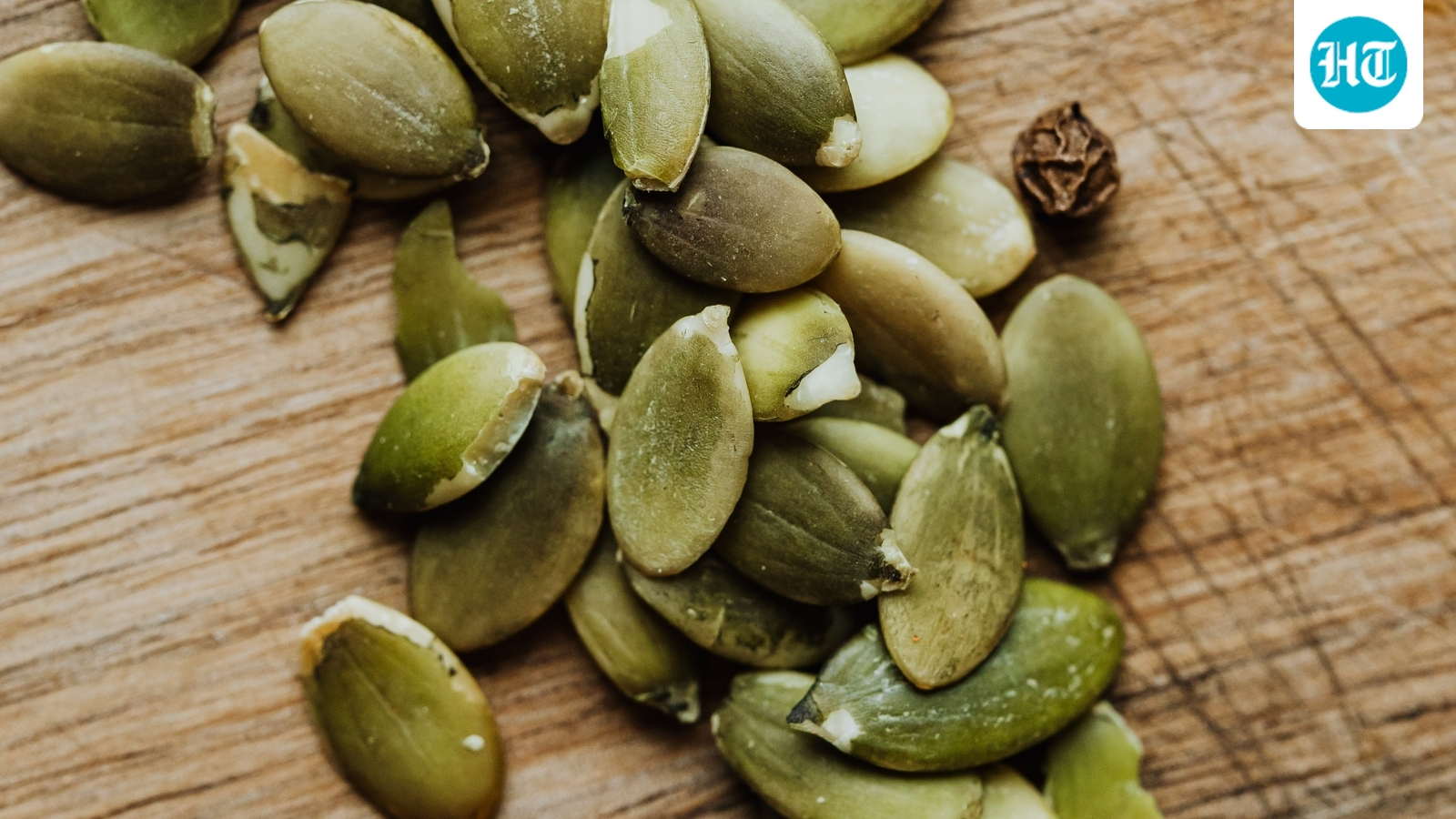
Struggling with sleepless nights has become increasingly common, with stress, screen time, and anxiety disrupting natural sleep patterns. Insomnia is characterised by poor-quality rest, difficulty falling asleep, or waking up exhausted despite having enough sleep. Nutrient-dense foods, such as pumpkin seeds, may benefit consumption before bed, as they provide magnesium, tryptophan, and zinc, which may help relax the body and promote better sleep.
Dietitian Eshanka Wahi, a Dubai & Delhi-based Culinary Nutritionist, Holistic Wellness Coach, and Founder of Eat Clean With Eshanka, tells HealthShots that the importance of a holistic approach lies in adopting sleep-supporting habits in both the kitchen and the bedroom. Although not a miracle solution, pumpkin seeds align with Dietician Eshanka’s “Eat Clean” approach, promoting natural sleep through functional nutrition. When paired with habits such as reducing screen time and managing stress, these simple dietary tweaks can improve sleep quality, making nights more restful and mornings more refreshing.
What are the benefits of eating pumpkin seeds?
- Magnesium (relaxer): One of the most critical minerals for relaxation. It helps you fall asleep by relaxing your muscles, lowering stress levels, and calming your nerves. You may experience restless or poor sleep when your magnesium levels are low. Pumpkin seeds are an excellent bedtime snack since they are naturally high in magnesium.
- Tryptophan (melatonin maker): It aids in the production of serotonin, a hormone that promotes happiness and calmness. Melatonin, the hormone that regulates your sleep cycle, is subsequently produced from serotonin. Tryptophan-rich foods, such as pumpkin seeds, can naturally improve your quality of sleep.
- Zinc (cycle regulator): Zinc helps your body sleep better by working with magnesium and melatonin. It helps maintain your sleep pattern and promotes brain health. You can sleep more deeply and wake up feeling more rested if you have enough zinc.
- Iron (restlessness preventer): Low iron levels may cause restless legs, frequent nighttime awakenings, and difficulty falling asleep. Plant-based iron found in pumpkin seeds aids in the body’s oxygen transport and lessens iron deficiency-related sleep issues.
- Healthy fats and protein ( sugar stabiliser): Plant protein and healthy fats included in pumpkin seeds help maintain stable blood sugar levels while you sleep. Anxiety, cravings, or restlessness might result from abrupt reductions in blood sugar at night. This can be avoided, and a more restful, undisturbed sleep can be supported by eating a small handful of pumpkin seeds before bed.
Together, these nutrients make pumpkin seeds a natural, food-based ally for improving sleep quality.
“Sleep snack”: Tip by Nutritionist Eshanka Wahi
Dietitian Eshanka Wahi quotes that, “A small portion of pumpkin seeds, consumed at the right time, can make a noticeable difference in sleep quality, supporting relaxation and restorative rest naturally.”
- Dosage: A small handful (1–2 tablespoons) is sufficient.
- Timing: Consume 30–60 minutes before bed—the “Golden Window” for optimal effect.
- Preparation Ideas: Eat raw, lightly roasted (without heavy salt), or sprinkle on yoghurt for added texture and nutrition.
FAQ’s: Pumpkin seeds for sleep
How many pumpkin seeds should I eat before bed?
A small handful (1–2 tablespoons) is enough for sleep benefits.
When is the best time to eat them?
30-60 minutes before bedtime, during the “Golden Window.”
Should the seeds be raw or roasted?
Both work; lightly roasted without heavy salt is ideal.
Can pumpkin seeds replace other sleep remedies?
No, they complement good sleep hygiene and lifestyle changes, not replace them.
(Note to readers: This article is for informational purposes only and not a substitute for professional medical advice. Always seek the advice of your doctor with any questions about a medical condition.)
