

Nutritionist Rujuta Diwekar, known for her back-to-basics approach to diet and fitness, is clearing the air on what truly belongs on a heart-healthy plate. In an Instagram video she shared on February 18, Rujuta — who famously guides the fitness journeys of stars like Kareena Kapoor — addressed the common fears that plague families dealing with cardiac issues. Also read | Kareena Kapoor’s nutritionist Rujuta Diwekar reveals ‘secret’ green veggie for hair growth: Add it to theplas, parathas
The truth about peanuts
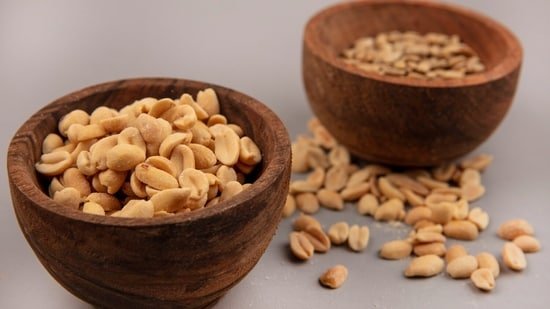
From blood pressure management to post-bypass recovery, Rujuta argued that we are often afraid of the wrong things. For years, many Indians have instinctively reached for the ‘low-fat’ label, cutting out traditional staples like cashews, peanuts, and coconut under the mistaken belief that they spike cholesterol.
Rujuta was quick to dismantle this notion. She said in the video in Hindi, “First of all, there is absolutely no cholesterol in these foods. Neither cashews, nor coconut, nor peanuts contain cholesterol. You can eat them without worry.”
Rujuta encouraged the integration of these plant-based fats into daily meals, whether as a handful of peanuts, coconut chutney, or even a festive modak. According to her, these are not the culprits behind clogged arteries.
The real villain: alcohol and marketing
While nuts are often vilified, Rujuta identified alcohol as the primary threat to both physical health and domestic harmony. She warned that the ‘moderate drinking is good for the heart’ narrative was largely a product of powerful industry marketing even when alcohol of any kind and in any quantity was harmful to veins, arteries, the brain, and the heart.
She said: “What you should actually be afraid of is alcohol. For those who drink and claim they only have a little, or only drink once a month or once a day, it is still problematic for you. Alcohol of any kind, in any quantity, is bad for your health. It is harmful to your arteries and veins, your brain, your heart, and most importantly, your family, because people tend to talk a lot of nonsense after drinking, which can cause stress and heart issues even for those who are healthy.“
Rujuta highlighted the irony in how the alcohol industry had successfully branded healthy snacks like cashews as ‘enemies of the heart’ while positioning alcohol as a social friend. Beyond the biological impact, she highlighted the social stress caused by alcohol, noting that the ‘nonsense’ spoken after drinking can cause heart-straining stress for healthy family members.
“You should avoid alcohol. Keep in mind that the alcohol industry is so powerful that they have marketed ‘chakna’ items (snacks like cashews) as the enemy of the heart while portraying alcohol as a friend, but this is simply not true. This is just marketing,” she said.
Infrastructure and air: the silent killers
Rujuta then moved the conversation beyond the kitchen, pointing out that heart health was inextricably linked to our environment: “An important realisation for anyone with heart disease is that the air in the city, where we live, also has an impact on us. This isn’t meant in a romantic or poetic way, but in terms of pollution; if the air itself is polluted, our lungs and heart will struggle to function. Furthermore, if we spend, two to three hours, every day, stuck in traffic, we are unlikely to go home and exercise. Similarly, if the footpaths are broken, we won’t be able to walk to our homes, offices, or friends’ houses.”
Rujuta concluded by urging a shift in focus. Rather than obsessing over a handful of peanuts, she suggested we look at the bigger picture: reducing alcohol, demanding better air quality, and advocating for walkable cities. “If we focus on these most basic things, we will keep our heart, mind, and body in good health,” she said.
Note to readers: This report is based on user-generated content from social media. HT.com has not independently verified the claims and does not endorse them.
This article is for informational purposes only and not a substitute for professional medical advice.
