

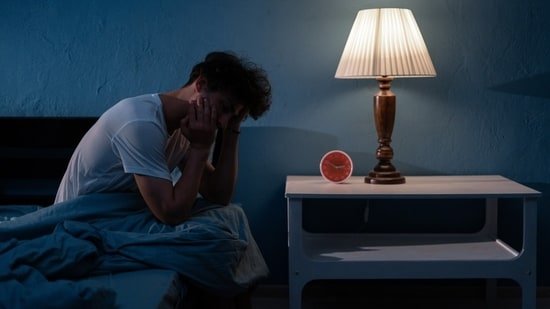
The nighttime rest is much looked forward to after a long day’s work, and for good reason, as sleep is a foundational pillar of recovery, essential for functioning well the next day.
ALSO READ: Sleeping late every night? Study says poor sleep makes your brain age faster
When you don’t get enough sleep, the exhaustion is not just short-term; it accumulates over time. The summer season, in particular, poses unique challenges that make falling and staying asleep even harder. You end up tossing and turning, trying to find the cold side of the pillow, but all attempts seem to be in vain. So what’s the hack?
HT Lifestyle shared with Dr Rahul Modi, consultant, ENT at Kokilaben Dhirubhai Ambani Hospital, Mumbai, about why summer often brings sleep disruptions, and shared a few practical hacks to help you rest better.
At the core, it may seem like poor summer is just due to the heat. “Most people chalk up poor summer sleep to the heat and leave it at that.” But Dr Modi reminded that reality is much more layered. Understanding what is actually happening inside your body as you toss and turn at night is far more important because once you know the reasons, you can take active measures to sleep better and wake up refreshed.
What happens inside your body when you try to sleep?
During sleep, your internal systems work together for you to wake up feeling refreshed and rejuvenated.
“The body prepares for sleep by dropping its core temperature in the evening,” the doctor mentioned that the key indicator for your system is temperature.
But during the summer season, the core temperature stays high, as he continued, “Hot weather interferes with that process directly, and high humidity makes it worse by limiting how effectively the body cools itself through sweat.” Because of this, you lie awake, rather than normally drifting off to sleep.
Another major disruptor, according to the doctor, is light. Longer days and evening screen exposure delay melatonin release, affecting your sleep clock and throwing the circadian rhythm off sync. Irregular schedules, late nights, and travel only make it worse.
How to fall asleep quickly?
Falling asleep quickly in summer can feel impossible. Heat, longer daylight and irregular schedules all work against your body’s balance, leaving you wide awake in bed.
Here are a few hacks, as recommended by the doctor:
1. Cool the room down before you sleep:
- A temperature between 24 and 26 degrees Celsius is a reasonable target.
- If air conditioning is not available, a fan, cotton sheets, and lightweight breathable bedding go a long way.
2. Give your eyes a break from screens at least an hour before bed:
- Dim the lights in the room, too.
- Both help melatonin rise at the right time instead of getting pushed back by artificial light.
3. Pick a sleep and wake time and stick to it:
- Follow during weekends too.
- A stable routine settles the circadian rhythm faster than anything else.
4. Lukewarm shower about 30 minutes before bed:
- Brings core body temperature down gradually, which is exactly the signal the body needs to move toward sleep.
- Better than cold showers.
5. Hydrate through the day rather than front-loading fluids at night:
- Waking up repeatedly to use the bathroom undoes whatever else you have done right.
6. Keep the last meal light and finish caffeine by early afternoon:
- Both a heavy dinner and a late coffee push sleep onset back more than most people realise.
7. Block out early morning light if sunrise comes before you need to be up:
- Blackout curtains are the most effective option.
- An eye mask works well enough if that is not possible.
But if you are worried, then rough nights are normal, but teh doctor cautioned that if the disruption is consistent and leaving you genuinely unrefreshed day after day, that is worth paying attention.
Note to readers: This article is for informational purposes only and not a substitute for professional medical advice. Always seek the advice of your doctor with any questions about a medical condition.
