

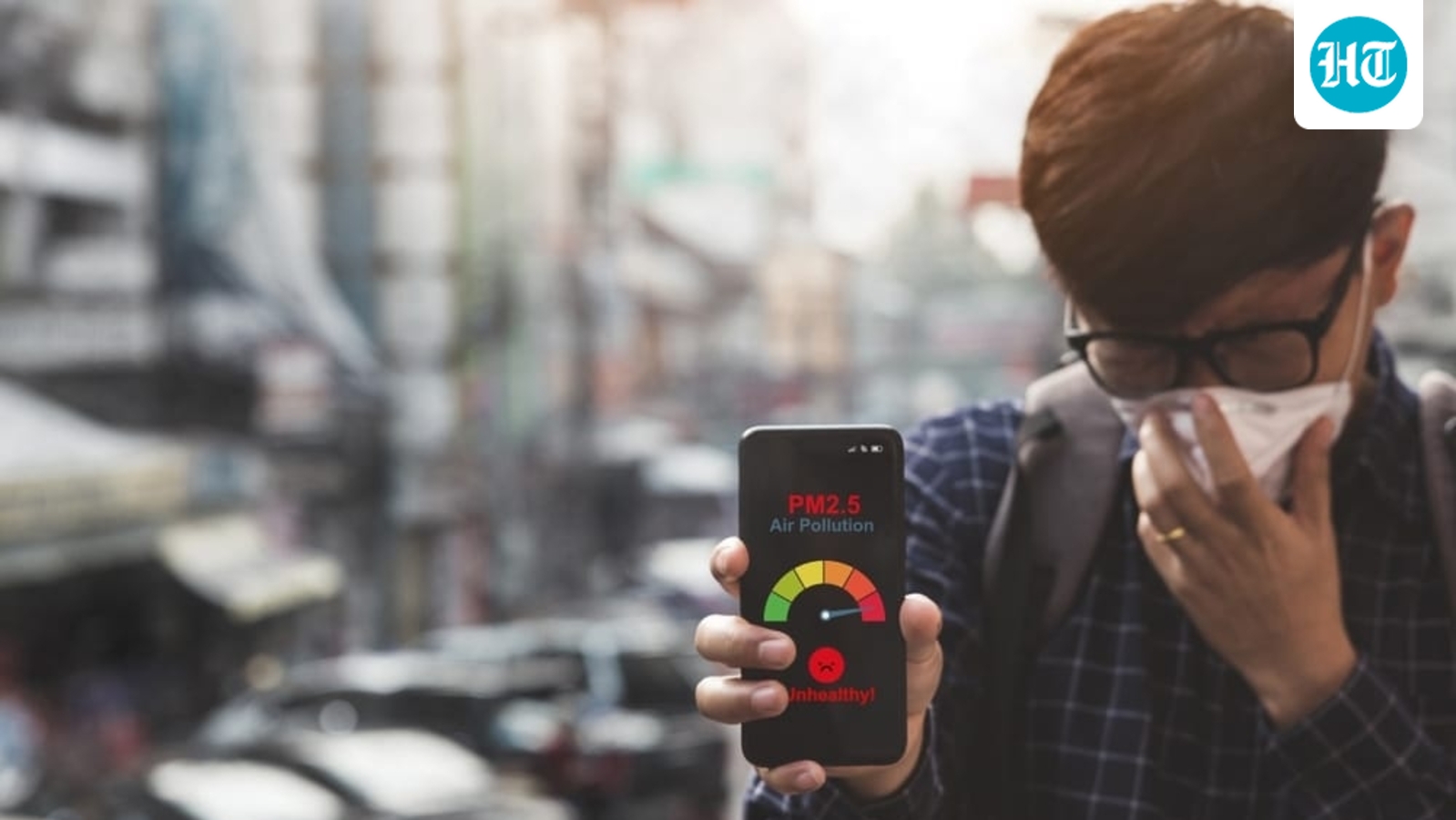
Air pollution is a major health concern currently, especially for people living in the Delhi NCR region, with the AQI (Air Quality Index) worsening day by day. Numerous reports and studies have even noted its dangerous impact on heart health and our lungs. However, according to a neurologist, it also impacts our neurological health.
Dr Vinit Suri, a senior consultant, neurology, Apollo Hospitals, highlighted in a recent interview that air pollution negatively impacts neurological health, extending far beyond common respiratory concerns. The expert noted that while short-term exposure can cause headaches and brain fog, long-term inhalation of particulate matter triggers many serious neurological health concerns.
Air pollution and its impact on our brain health
Discussing the surge in neurological problems due to air pollution in a December 22 interview with ANI, Dr Vinit stated, “Normally, it is said that air pollution affects the lungs, sinuses, and heart, but after a lot of research, it can be said that it affects the brain too.” He also listed the short and long-term impact of inhaling particulate matter:
Short-term exposure can cause:
- Headache
- Dizziness
- Transient memory loss or brain fogging
Meanwhile, long-term exposure is linked to many neurological disorders, like:
- Alzheimer’s
- Dementia
- Parkinson’s disease
- ADHD and autism in kids
Air pollution increases stroke risk?
Dr Vinit also highlighted how air pollution can increase the risk of stroke. He noted, “There is a link with many diseases, and most research shows that the incidence of stroke is also associated with exposure to high pollution. Because the particulate matter that creates inflammation in the brain speaks to oxidative stress, and that inflammation alters the blood-brain barrier. It causes inflammation and alters blood vessels. Therefore, the incidence of stroke also increases with high exposure to air pollution.”
To minimise these risks, it is best to stay indoors, use air purifiers, and wear N95 masks rather than ineffective surgical masks.
Note to readers: This article is for informational purposes only and not a substitute for professional medical advice. Always seek the advice of your doctor with any questions about a medical condition.
This report is based on user-generated content from social media. HT.com has not independently verified the claims and does not endorse them.
