

Considering ditching meat? You may be setting yourself up for a healthier gut and better overall cardiometabolic health, according to Dr Yasodh Kumar Reddy, a family physician and diabetologist at Apollo Clinic Velachery, Chennai. In an interview with HT Lifestyle, Dr Reddy delved into the changes a vegetarian lifestyle triggers within the digestive system. Also read | How to lose weight with South Indian diet, according to fitness coach: ‘Avoid idli and dosa, switch to low calorie…’
Increased fibre and plant-based nutrients
Dr Reddy highlighted that adopting a vegetarian diet naturally boosts the intake of fibre and plant-based nutrients, which are key to supporting digestion and maintaining gut health. He said, “Plant-based diets promote the growth of beneficial bacteria and help maintain a diverse, stable gut microbiome. Additionally, bifidobacteria and lactobacilli are some of the ‘healthy’ microbes that will consume the dietary fibre present in fruit, vegetables, whole grains, and legumes. In consuming dietary fibre, these healthy bacteria produce short-chain fatty acids (SCFAs) as a byproduct of fermenting their food source.”
Dr Reddy added, “Short-chain fatty acids, such as these, can significantly help reduce inflammation and create a protective barrier around the intestinal wall from potential invaders. By increasing the amount of dietary fibre consumed, a vegetarian diet can improve the frequency and regularity of bowel movements, as well as decrease the likelihood of suffering from constipation by creating more stable contents within the digestive system. Polyphenols, which are abundant among plant-based foods, are also beneficial in reducing harmful bacteria in the gut, and therefore alleviate bloating and create an overall healthier digestive tract.”
Top plant foods for gut support
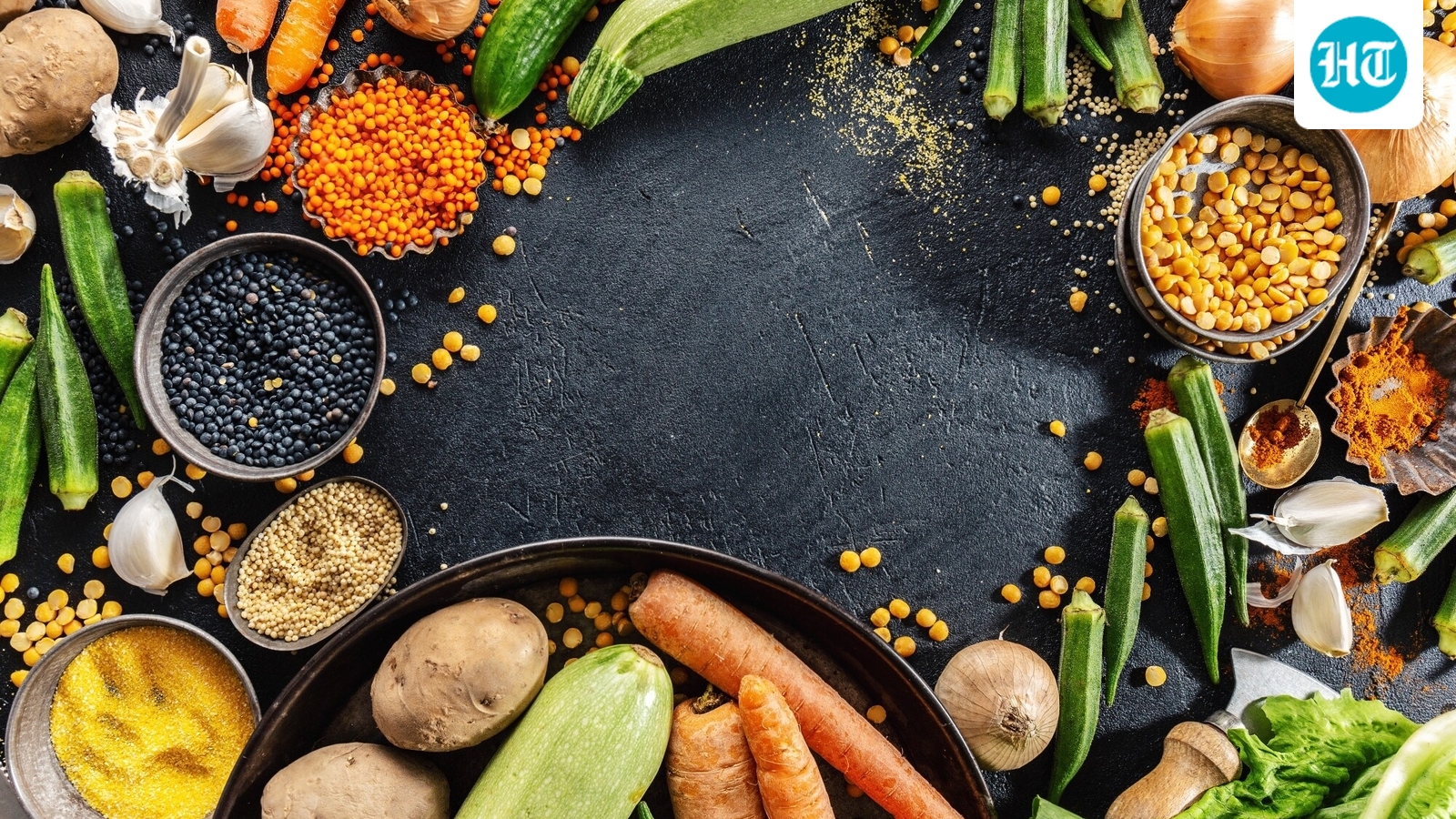
Dr Reddy listed a variety of plant-based foods that are excellent for nourishing the gut: “They include garlic, onions, and leeks, which are rich in fructans and FOS, which also act as powerful prebiotics and support healthy bacteria. They also include oats, barley (beta-glucan soluble fibre that helps produce SCFAs), legumes (beans, lentils, chickpeas) (fibre and resistant starch), bananas (slightly unripe), foods found in traditional Indian diets (curd, chaas, lassi, idli, dosa, kanji), and kombucha. All of these plant-based foods are considered to be excellent prebiotics that help nourish and replenish beneficial microbes in the gut.”
Managing initial gas and bloating
A sudden dietary shift can sometimes lead to temporary discomfort. “When someone switches from a non-vegetarian to a vegetarian diet, their gut bacteria take time to adjust to the sudden increase in fibre and complex carbohydrates. These components undergo a fermentation process that occurs in the gut, resulting in gas being produced as a normal metabolic product,” Dr Reddy said.
He reassured that once the body adjusts to the new diet, any discomfort related to gas and bloating typically resolves. To ease the transition, Dr Reddy suggested gradually increasing fibre consumption, drinking enough fluids and consuming foods that contain probiotics.
“There are many different types of bacteria in the intestines that digest some indigestible carbohydrate material from food, as well as other types of carbohydrate materials that are not broken down by the stomach and small intestines. Typically, after the body adjusts to a new plant-based diet, any discomfort related to gas and/or bloating will go away. To help the body adjust to a new plant-based diet, it may be beneficial to gradually increase your amount of fibre consumption, drink enough fluids, and consume foods that contain probiotics,” Dr Reddy said.
Long-term benefits and potential risks
Looking at the bigger picture, Dr Reddy confirmed that a well-balanced vegetarian diet was linked to better cardiometabolic health. But are there any long-term gut-health benefits and possible risks of a vegetarian or vegan diet? According to Dr Reddy, “A well-balanced vegetarian diet is linked to better cardiometabolic health. High-fibre, nutrient-rich plant foods help lower LDL cholesterol, blood pressure, obesity, hypertension and type 2 diabetes. Such diets are associated with lower cardiovascular morbidity and mortality.”
However, Dr Reddy warned that ‘poorly planned vegetarian or restrictive vegan diets can lead to deficiencies in vitamin B12, iron, calcium, and omega-3 fats’. These deficiencies may increase the risk of bone fractures, hemorrhagic stroke, or metabolic issues such as insulin resistance and dyslipidaemia. Therefore, ensuring a balanced intake of essential nutrients was paramount for long-term gut and overall health, he shared.
Note to readers: This article is for informational purposes only and not a substitute for professional medical advice. Always seek the advice of your doctor with any questions about a medical condition.
