

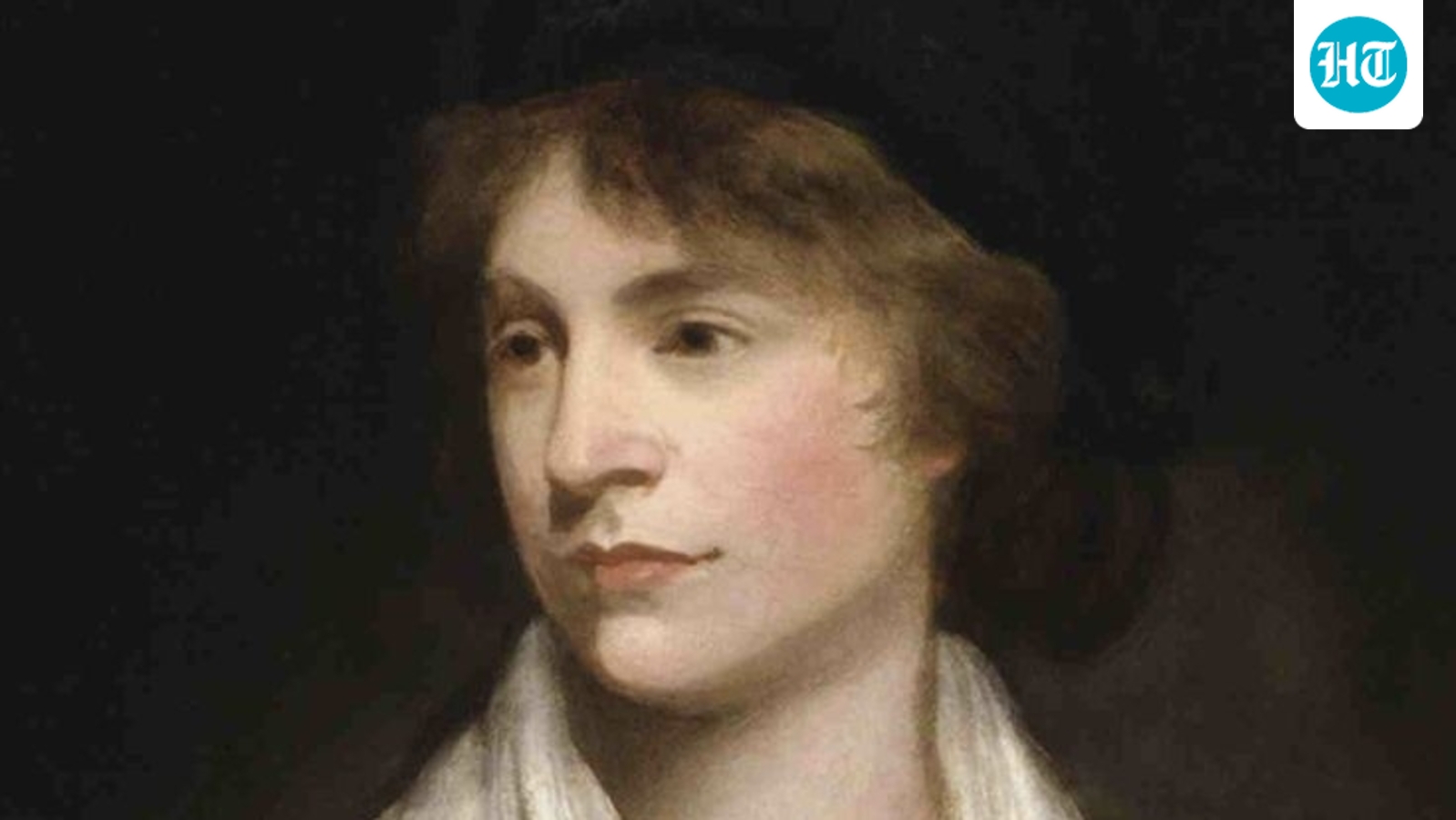
Mary Wollstonecraft was an English writer and philosopher who was born in London on April 27, 1759, and died on September 10, 1797, just 11 days after giving birth to her daughter, Mary Wollstonecraft Shelley, who would go on to become one of the earliest science fiction writers and one of the most popular Gothic novelists of all time.
The similarity between the names of the mother and daughter often has people confused, and thereby, quotes are wrongly attributed. Today’s quote of the day is by the mother, Mary Wollstonecraft, who was a passionate advocate of educational and social equality for women.
It is an excerpt from her political pamphlet, A Vindication of the Rights of Men, that reads, “No man chooses evil because it is evil; he only mistakes it for happiness, the good he seeks.”
What is the meaning of Mary Wollstonecraft’s quote?
In the statement, Mary argues that no human believes that he is on the path of evil. Even though one may walk on it, they hold the belief that they are on the side of good. They mistake it for happiness, or as something that is worthwhile for the greater good they might be seeking.
The quote looks deep into the human psyche, as it continues, “It may be confidently asserted that no man chooses evil, because it is evil; he only mistakes it for happiness, the good he seeks. And the desire of rectifying these mistakes, is the noble ambition of an enlightened understanding, the impulse of feelings that philosophy invigorates.”
Thus, the complete quote not only points out the human fallacy of not recognising one’s shortcomings in matters of following the path of good and evil, but also reminds us that it can be overcome through learning and enlightenment.
What is the relevance of Mary Wollstonecraft’s quote?
At a time when the global population is seemingly deeply divided on a variety of issues, it is easy to label people as heroes and villains. Mary’s quote helps remind us that while one may consider another as evil, they are not likely to see themselves in the same light.
Thus, it is important to keep the lines of communication open, to exchange ideas, and to seek enlightenment, not just to settle debates of right and wrong, but also to help each other in the end.
