

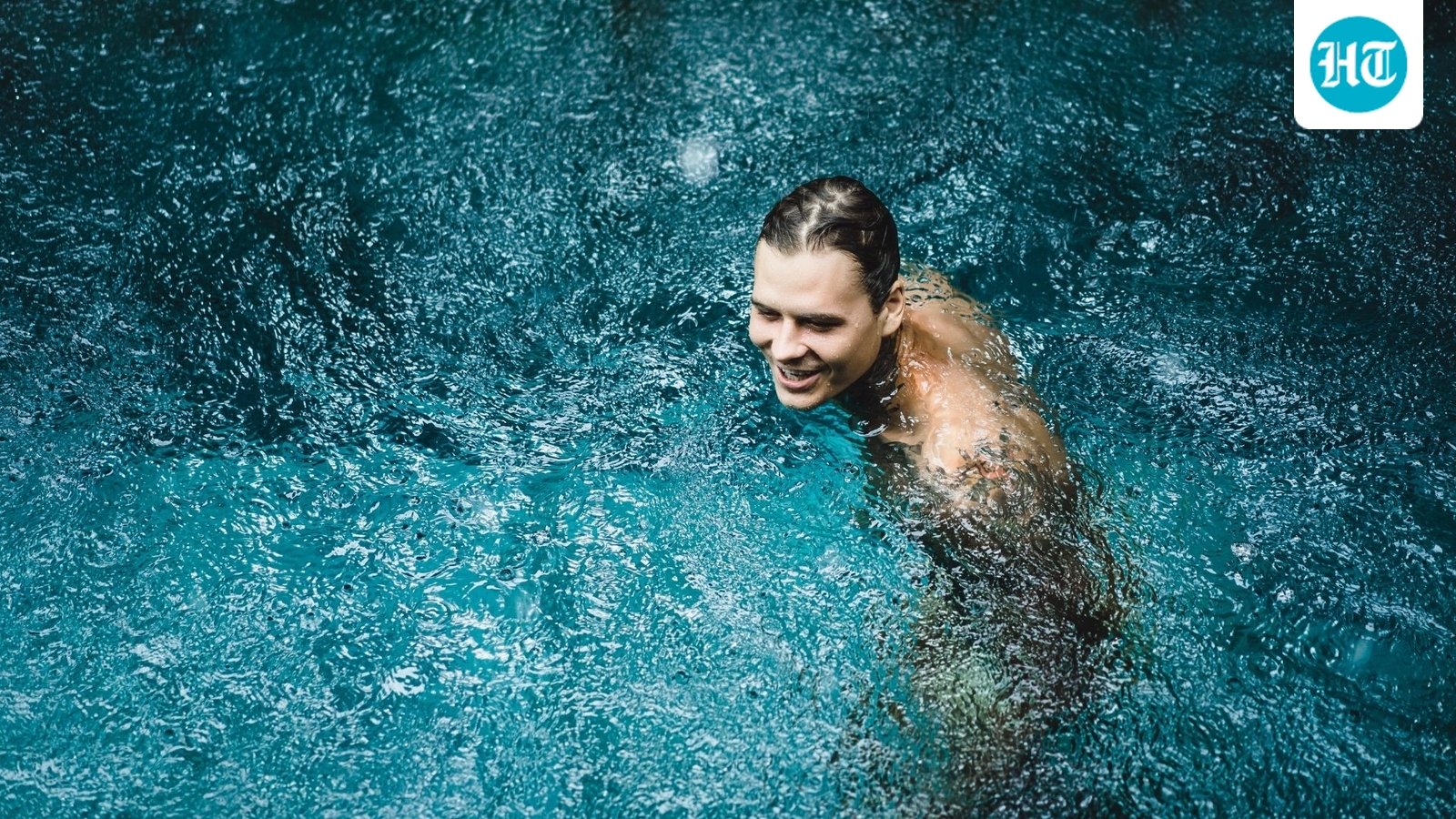
Swimming is fun, but swimming while it rains takes the experience to a whole new level. Taking a dip in the pool during the humid and sweltering monsoon season is a favourite escape for adults and children alike. However, the season also sees a surge in pool-related ear and sinus complications.
In an interaction with HT Lifestyle, ENT expert Dr Shilpi Budhiraja shared that rainwater, high humidity, and heavy pool usage create a perfect storm for stubborn infections. She highlighted the safety risks that everyone should be aware of before jumping into the pool in the monsoon.
Understanding pool risks in the monsoon
Dr Budhiraja cautioned that public pools during the monsoon carry a high microbial load. The pool water is sanitised with chlorine, which affects the pH level of the pool.
As the ENT specialist explained, “Incorrect pH or chlorine balance can irritate sensitive mucous membranes. Trapped pool water in the external ear canal breaks down the protective earwax barrier, allowing bacteria to thrive.”
The condition is called acute otitis externa, commonly known as swimmer’s ear.
Elevated atmospheric humidity also promotes fungal growth, leading to conditions like otomycosis, a fungal infection of the ear canal primarily caused by Aspergillus or Candida.
The condition presents with intense itching, severe ear pain, a sensation of fullness, and thick greyish or blackish discharge, noted Dr Budhiraja.
Essential ENT precautions before and after swimming
The ENT expert shared a list of precautions one should take ahead of swimming in the rainy season. They are presented as follows.
- Use proper ear protection: Invest in well-fitted, waterproof earplugs. For children, customised silicone earplugs created from an ENT impression offer superior protection against water ingress.
- Never use cotton buds: Avoid inserting Q-tips into the ear canal after swimming. Cotton swabs strip away protective wax and create microscopic scratches, inviting bacterial and fungal invasion. Instead, tilt your head to drain excess water and gently dry the outer ear with a clean towel.
- Prevent sinusitis and eustachian tube blockage: Water entering the nasal passages can cause chemical irritation or carry pathogens into the sinuses and Eustachian tubes (the channels connecting the nose to the middle ear). Avoid blowing your nose forcefully underwater. Practice saline nasal douching (irrigation) before and after your swim to flush out irritants and maintain healthy mucosal clearing.
- Skip swimming when unwell: Never swim if you have an active cold, nasal congestion, or allergy flare-up. Swollen nasal tissues easily block the Eustachian tubes, leading to painful middle ear fluid accumulation and severe sinus congestion when diving or swimming underwater.
When to consult an ENT specialist
In the words of Dr Budhiraja, “Do not self-medicate with over-the-counter ear drops. Seek prompt medical evaluation if you notice persistent ear pain, reduced hearing or ear blockage, thick yellowish-green nasal discharge, or continuous itching inside the ear. Timely treatment ensures your summer swims remain refreshing, safe, and free of painful complications.”
Note to readers: This article is for informational purposes only and not a substitute for professional medical advice. Always seek the advice of your doctor with any questions about a medical condition.
Dr Shilpi Budhiraja is an ENT and head and neck specialist with over 14 years of clinical experience. She is a senior consultant at Marengo Asia Hospitals, Gurugram.
