

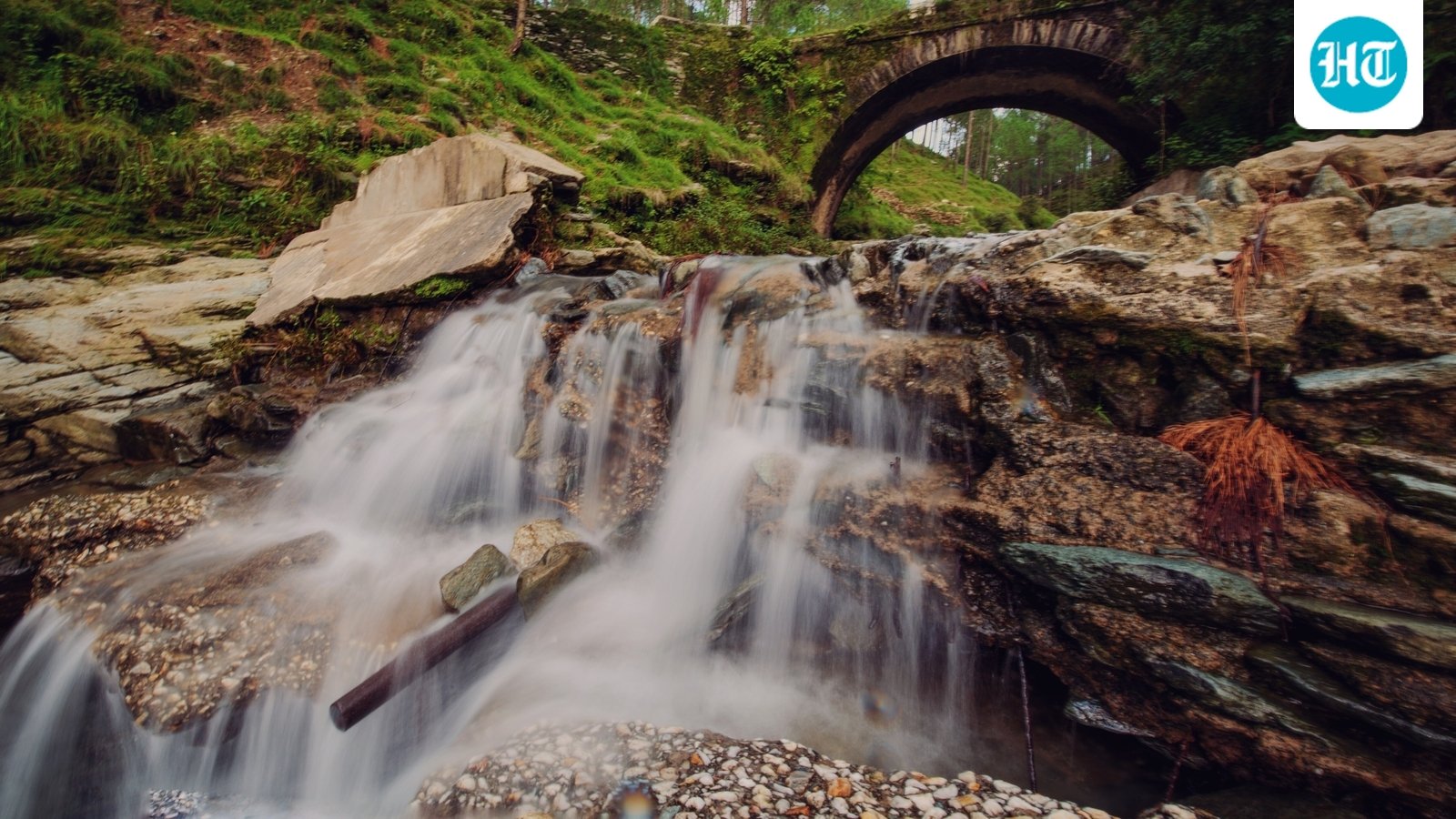
Monsoon season trips are atmospheric, appealing to all the senses with the gentle patter of raindrops, vivid green rolling landscapes, cool breeze, and the earthy scent of wet soil. No longer are monsoon trips off-shoulder.
But despite destinations appearing more spectacular than ever, it is important to remember that monsoon weather can be unpredictable and bring safety risks, making careful planning essential.
Hari Ganapathy, CEO and co-founder of Pickyourtrail, shared with HT Lifestyle the common mistakes that can make a monsoon getaway risky, the warning signs travellers should monitor, and the essential precautions to take before setting out. He answered some important questions for us:
What mistakes can turn a monsoon getaway risky?
Hari believed that without careful planning, rain can disturb your entire trip. So, what is the first common mistake travellers make while preparing an itinerary?
He said, “The biggest mistake travellers make is treating heavy rain as a minor inconvenience rather than a factor that can change the experience and feasibility of an itinerary within hours. A well-planned monsoon holiday should therefore have flexibility built into it.”
This means rain should not be brushed off as a minor inconvenience. It can disturb transport, block roads, and even make certain routes unsafe at particular times.
Here are some common mistakes that the travel expert listed:
- Packing the itinerary too tightly, leaving no buffer for weather-related delays.
- Ignoring official weather, road, and local transport alerts.
- Taking mountain, coastal or rural routes after sustained heavy rainfall.
- Depending entirely on a single road, ferry or flight connection.
- Continuing with a trek, boat trip, or sightseeing plan simply because it was pre-booked.
What defines a good itinerary? One may feel compelled to do and see everything. But sometimes you need to abandon your original schedule and be more flexible.
Hari described what makes a good itinerary during monsoon season: “The key is to understand that a good holiday itinerary is not necessarily the one where every activity gets ticked off. It is one that can adapt when conditions change. For travellers, especially during the monsoon, building flexibility into the itinerary can make a significant difference in the experience of the trip.”
Are there destinations or routes travellers should reconsider during heavy rainfall?
Does travelling during the monsoon mean you need to stay away from certain destinations? The travel expert shared a nuanced take instead of recommending a blanket ban on destinations.
He said, “Specific routes and experiences should be reconsidered when heavy rain, flood, landslide, high-wave, or gale warnings are active.”
Which routes require additional precautions? Hari advised travellers to exercise greater caution along the following routes and during certain activities, especially when severe-weather warnings are active:
- Northern Vietnam: Mountain and hillside routes can become risky during heavy rain because of possible flooding or landslides.
- Bali: Elevated and inland routes may require extra caution when severe-weather warnings are active.
- The Philippines: Island-hopping excursions and small-boat transfers should be reconsidered during rough sea conditions. The Philippine Atmospheric, Geophysical and Astronomical Services Administration (PAGASA) may issue gale warnings advising small boats and ferries to remain docked when sea conditions become dangerous.
- Japan: Travellers should be alert and monitor region-specific warnings issued by weather authorities for heavy rainfall, flooding and landslides.
Are booking patterns also showing this cautious approach in the monsoon? The travel expert answered in the affirmative, “During the monsoon period, more than 60% of travellers booking short-haul destinations such as Bali, Sri Lanka, and Thailand opt for flexible itineraries. The important rule is simple: reconsider the route based on the local warning for that day, rather than assuming an entire destination is unsafe.”
What warning signs should travellers check before leaving?
Before heading out for the day, travellers should check both the weather and the conditions along their planned route. Hari shared these signs travellers need to look for, especially along mountain and coastal areas:
- Official heavy-rain, flood, landslide, thunderstorm, and gale warnings.
- Disruptions affecting roads, trains, ferries, or flights.
- Updates from the hostel, local guide or transport operator.
- Reports of rising rivers, waterlogged roads or landslides along the route.
- Any restrictions or advisories affecting planned outdoor or water-based activities.
Further, the expert highlighted how frequently the monsoon disrupts travel plans: “Around 25-30% of weather-related traveller queries and support requests during the monsoon involve flights, transfers, activities or route changes.”
So, this means before leaving, travellers should go to official websites and check for alerts to confirm the operational status of flights, ferries, transfers, and outdoor activities before leaving. It is always better to reschedule plans or choose an alternative route instead of being stranded.
What should travellers check or carry before a monsoon trip?
Even with careful planning, sudden rainfall can still happen. It is better to pack a few practical essentials. Here are some of the things you need to pack, as recommended by the expert:
- Saving offline maps and important hotel, transport, and emergency contacts.
- Carrying a fully charged power bank.
- Keeping passports, travel documents, medicines, and electronics in waterproof pouches.
- Carrying water, light snacks, essential medication, and some emergency cash
- Keeping a dry change of clothes and a compact rain layer easily accessible.
- Checking whether travel insurance covers weather-related delays, cancellations, and disruptions.
- Building flexibility into hotel, transfer, and activity bookings wherever possible.
- For road trips, maintain adequate fuel or battery levels and identify an alternative route.
- Sharing the day’s route with someone and knowing where the nearest safe accommodation.
Finally, based on his observations, the travel expert added that 50-60% of travellers now look for travel insurance and flexible cancellation or rescheduling options. He recommended that every monsoon itinerary include a Plan B, allowing travellers to adjust their bookings and activities if the weather changes unexpectedly.
