

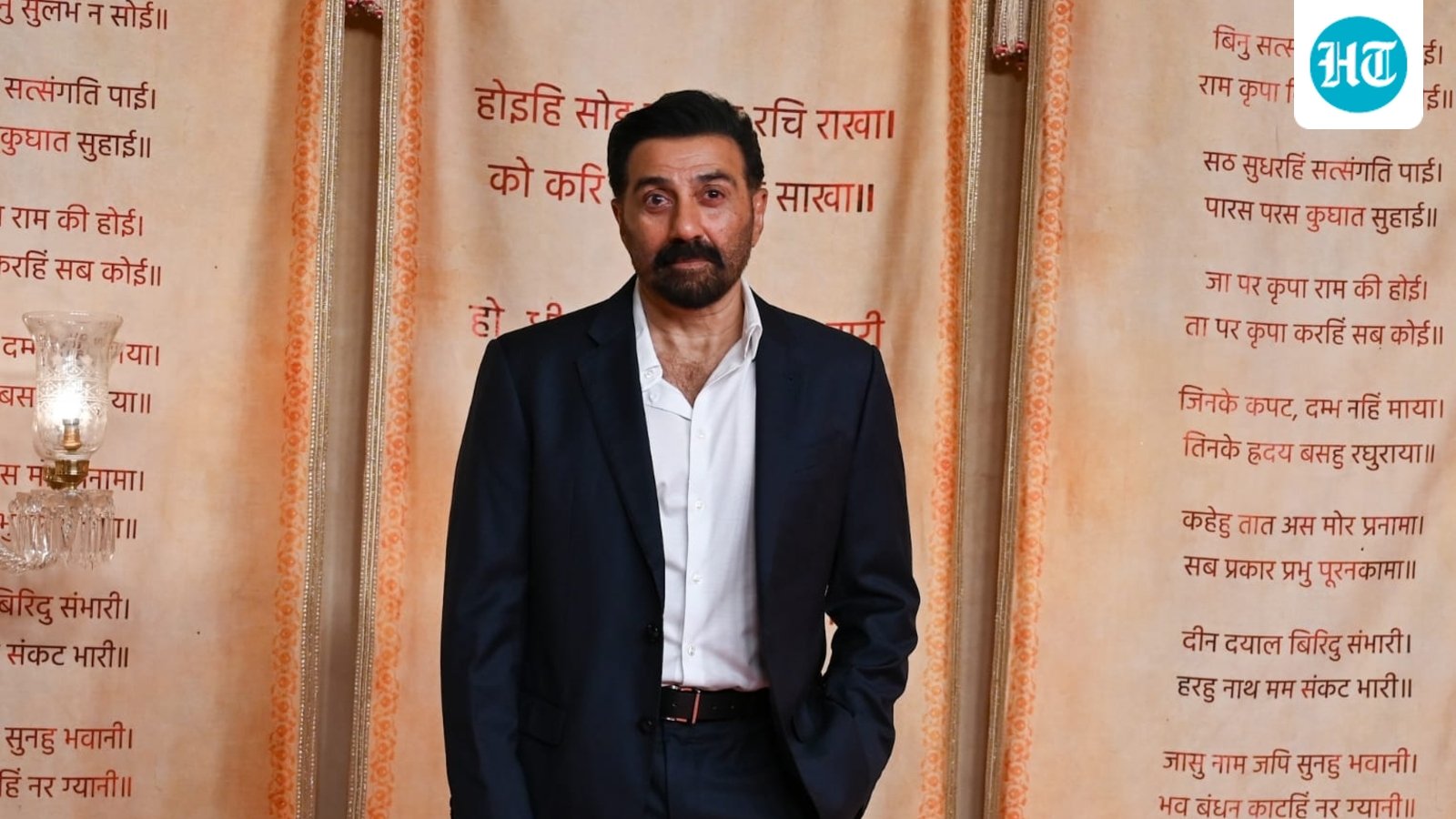
For decades, Sunny Deol embodied the screen archetype of physical dominance in Indian cinema. Long before hyper-curated action star physiques became standard fare in Bollywood, Sunny Deol’s sheer brawn in the nineties blockbusters defined a generation of fitness ideals. Also read | Nagarjuna reveals diet and fitness secrets for impressive physique: ‘I do intermittent fasting every day’
Built in the 90s, still going strong at 68
Now 68, the actor continues to maintain an enviable routine — though his philosophy on health leans far more toward intuitive living than rigid modern diet regimes. During a promotional visit to Punjab for his film Batwara 1947, Sunny opened up about his fitness and diet in an interview with Savera Star Talks. Speaking in Punjabi, the actor revealed that consistency, rather than trend-chasing, underpins his daily life.
4:30am wake-ups and 1-2 hours of training
“I have always had a habit of waking up early. I wake up before sunrise at around 4:30 am or 5 am,” Sunny shared. “It is an automatic cycle for me. I work out after waking up because the adrenaline boost lasts all day. I do it on my own – both cardio and weight training. I don’t aim for a bulky body or to look like others. I just enjoy exercise and feel healthy, and sweat it out. It takes just 1-2 hours,” he added. Also read | 5 incredible health benefits of exercising in the morning: Weight management to mental clarity
Samosas and parathas still make the cut
What sets Sunny apart in an era of obsessive macro-tracking is his relaxed approach to dietary restrictions. While fitness culture often preaches total elimination of fried foods and saturated fats, the actor admits to indulging in comfort meals.
“I think about dieting, but if a samosa and desi ghee with a parantha is there, I do eat,” he admitted with a laugh, reflecting on generational shifts in food culture. “I often see my kids and tell them that we used to eat a lot at their age, never even thought about such things,” Sunny added.
What experts say about balance vs restriction
His candid approach offers a refreshing counterpoint to rigid modern diets, though health experts note a middle ground is best for long-term vitality. Still, Sunny’s longevity suggests that combining rigorous movement with room for cultural culinary pleasures might just be a sustainable prescription for ageing gracefully. Also read | Kareena Kapoor’s nutritionist Rujuta Diwekar shares 3 rules for healthy weight loss: ‘If you eat dal-rice, idli-dosa…’
According to World Health Organisation (WHO) guidelines, a balanced diet should limit free sugars to less than 10 percent of total energy intake and keep total fat below 30 percent, prioritising unsaturated fats over saturated ones like desi ghee.
The WHO also recommended consuming at least 400 grams of fruits and vegetables daily while capping salt intake at under 5 grams to reduce cardiovascular risk. To know more about WHO’s global recommendations on calorie balance, fat quality, free sugars, sodium reduction, and daily vegetable and fruit intake, click here.
Note to readers: This article is for informational purposes only and not a substitute for professional medical advice. Always seek the advice of your doctor with any questions about a medical condition.
