

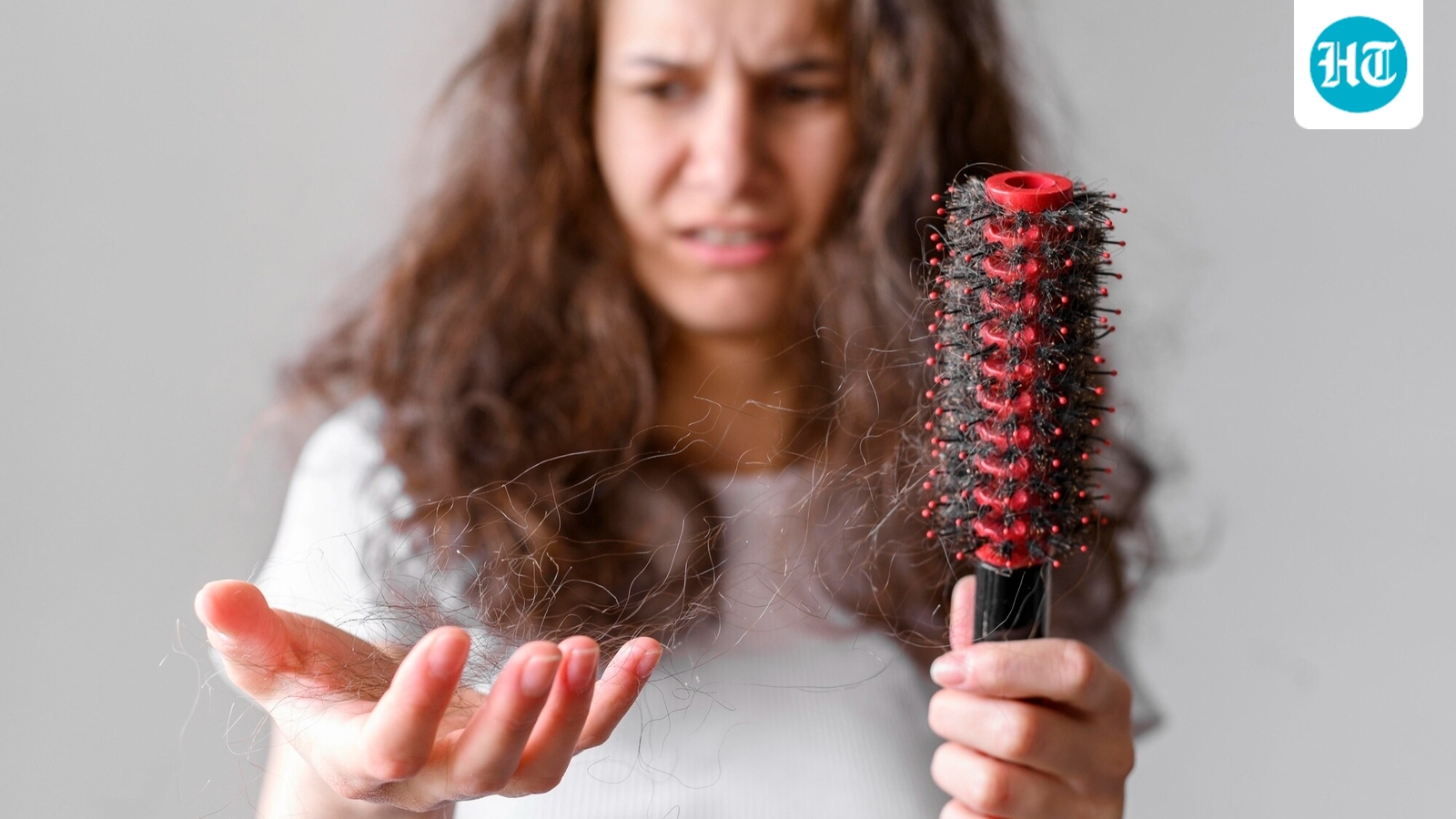
Monsoon and good hair day are very rarely found in the same sentence. High humidity can make your hair puff up in the least glamorous way, leaving it unruly, frizzy, and difficult to manage. There are several haircare challenges. How do you know you are not making a mistake?
ALSO READ: How to keep your scalp healthy during monsoon? Dermatologist shares 5 haircare tips to follow
Rochelle Chhabra, head of Streax Professional, called out some common haircare mistakes that may affect your hair quality and described how to build a simpler, more effective routine. She also detected which ingredients actually work, in contrast to those which simply gain traction on social media because of algorithm.
What are the most common haircare mistakes you see people making at home?
Your haircare routine may have some sneaky problems that you might otherwise fail to notice. Chhabra identified three common habits that could be affecting your hair quality:
1. Switching products too frequently
The first mistake the expert pointed out was chasing every new social media trend or ‘miracle’ routine. She said, “Many people switch shampoos, masks, and serums frequently, without giving any product enough time to work. Hair responds far better to a consistent routine than constant experimentation.” This means that frequently changing your products may prevent you from properly understanding whether they work for your hair. With every trend, don’t change your haircare products, then you won’t know how your hair and scalp respond to these products.
2. Using heat without adequate protection
The second mistake is overstyling your hair without using adequate heat protection. “Repeated use of straighteners, curling irons, or blow dryers can weaken the hair cuticle, resulting in dryness, frizz, split ends, and breakage over time,” Chhabra cautioned.
To protect your hair, she recommended applying a lightweight heat-protecting serum enriched with nourishing ingredients before styling. But are there any particular ingredients you should look for? Chhabra suggested going for serums containing macadamia oil and vitamin E, as they can help create a protective barrier while improving shine and manageability.
3. Making routine unnecessarily complicated
Another common mistake is assuming that a longer routine with plenty of products will ensure your locks are shinier and glossier. But no, it won’t deliver better hair automatically. The expert reminded that healthy hair does not necessarily require an elaborate, multi-step regimen.
Ultimately, healthy hair isn’t achieved through complicated routines but through simple, consistent habits: gentle cleansing, regular conditioning, protection from heat, and addressing your scalp’s needs.
What signs indicate that a hair product is not suitable for your scalp or hair type?
Your scalp will let you know and give you observable signs when a product does not suit it. Chhabra listed the following warning signs :
- Persistent itching
- Irritation
- Excessive oiliness
- Tight, uncomfortable feeling after washing
All the above-mentioned signs tell that you need a different formulation for your scalp care.
What are the correct haircare ingredients?
Which ingredients should you go for? The expert described, “Ingredients such as Tea Tree Oil and Piroctone Olamine can help maintain scalp balance and reduce dandruff-related concerns. If your hair feels rough, dry, dull, or difficult to manage despite regular care, it is often a sign that it requires more nourishment. Ingredients like Baobab Oil and Shea Butter help replenish moisture, improve softness, and reduce frizz, particularly in colour-treated or chemically processed hair.”
For coloured hair, she suggested using products formulated specifically for colour care. UV filters and colour-protect technologies help minimise fading caused by sunlight and environmental exposure, keeping the colour vibrant for longer.
Ingredients should not be chosen solely based on what is trending, but according to your individual hair and scalp concerns. Understanding what your hair actually needs can help you select suitable products.
Note to readers: This article is for informational purposes only and not a substitute for professional medical advice. Always seek the advice of your doctor with any questions about a medical condition.
