

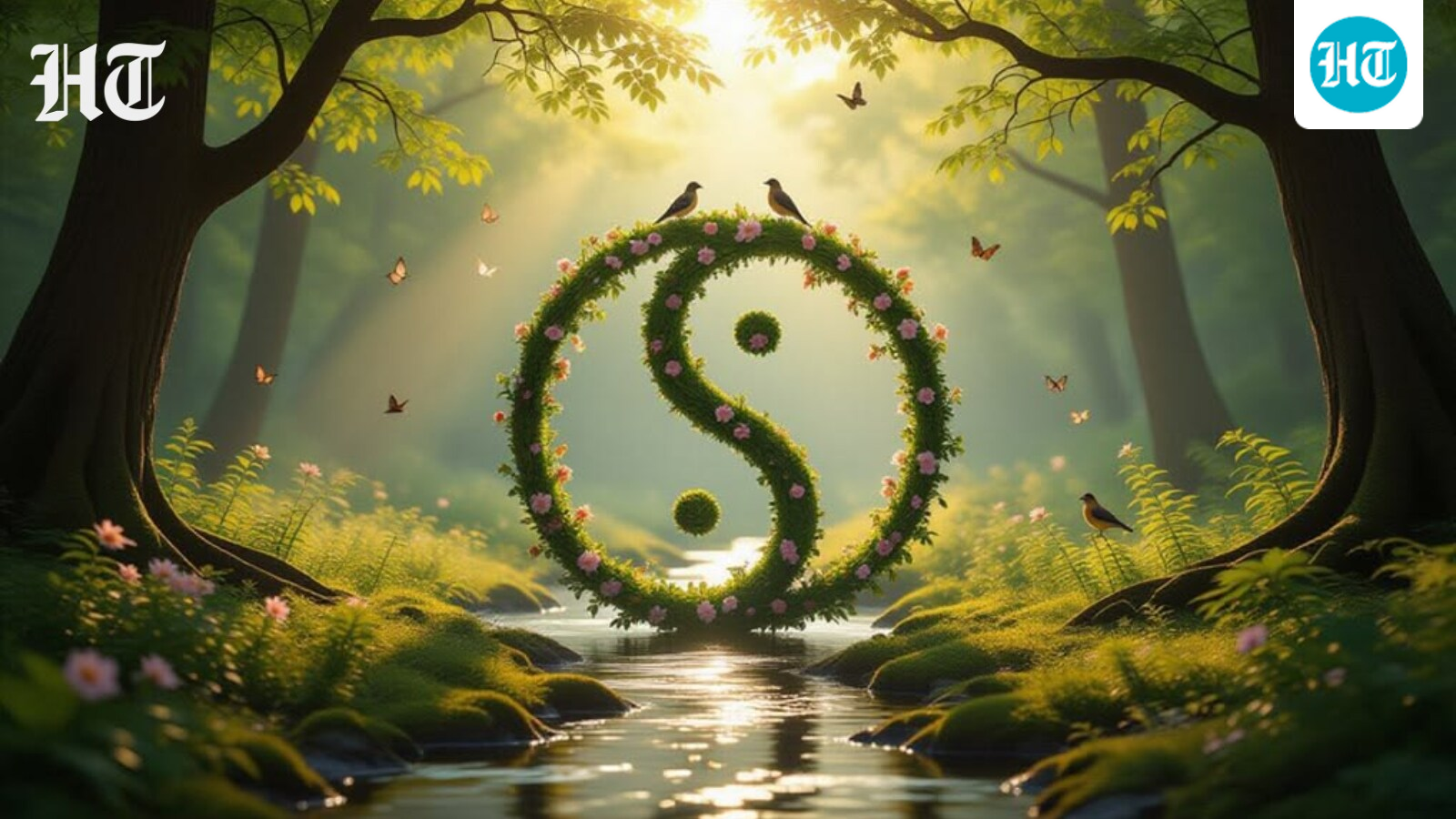
Modern life often celebrates being busy. Productivity, speed, and constant achievement are treated as signs of success, leaving many people feeling pressured always to do more. Over time, this fast pace can make it easy to ignore what your body and mind are trying to tell you. You push through exhaustion, overlook the need for rest, and wonder why you feel overwhelmed even after checking everything off your to-do list.
The idea of Yin living offers a different perspective. Rooted in the ancient Chinese concept of Yin and Yang, it encourages balance rather than extremes. Yin is often associated with rest, reflection, stillness, and receiving, while Yang represents action, movement, and productivity. Here are five simple ways to bring more Yin energy into your daily life.
1. Practice listening
One of the foundations of Yin living is learning to truly listen to yourself. Before rushing into your day or making an important decision, pause for a moment and check in with how you feel. Ask yourself what your body needs today. The answer may not always be convenient, but paying attention to those signals can help you make choices that support your well-being instead of working against it.
2. Develop discernment
Yin living is not about resting every time you feel tired. It is about understanding what your body is actually asking for. Sometimes fatigue is a sign that you need genuine rest. Other times, what feels like tiredness may come from feeling stuck or disconnected, and gentle movement can help restore your energy. Learning to recognize the difference takes practice, but it allows you to respond with greater awareness rather than react automatically.
3. Become aware of your natural cycles
Your energy, mood, creativity, and focus naturally change over time. They can shift throughout the month, across the seasons, and during different stages of life. Yin living encourages you to notice these patterns instead of fighting against them. When you understand your natural rhythms, you can plan your activities in ways that feel more supportive and sustainable.
4. Slow down with intention
Slowing down does not mean doing less. It means choosing a pace that supports your nervous system instead of constantly responding to external pressure. You can practice this by eating meals without looking at your phone, sitting outside for a few quiet minutes after lunch, enjoying your tea without rushing, or turning down extra plans when you know you need time to recharge.
5. Reconnect with your body
Embodiment means becoming more aware of how you feel physically and emotionally, rather than moving through life on autopilot. Take time to notice your breath, your posture, and the sensations in your body. Rather than ignoring discomfort, treat it as information that may be worth exploring.
Living with more Yin energy is not about escaping the demands of everyday life. Even small changes can help you feel calmer and more connected over time.
Disclaimer: The content in this article is for informational purposes and draws on traditional concepts of Yin and Yang as well as mindful living practices. It should not be considered medical or mental health advice, and individual experiences may vary.
