

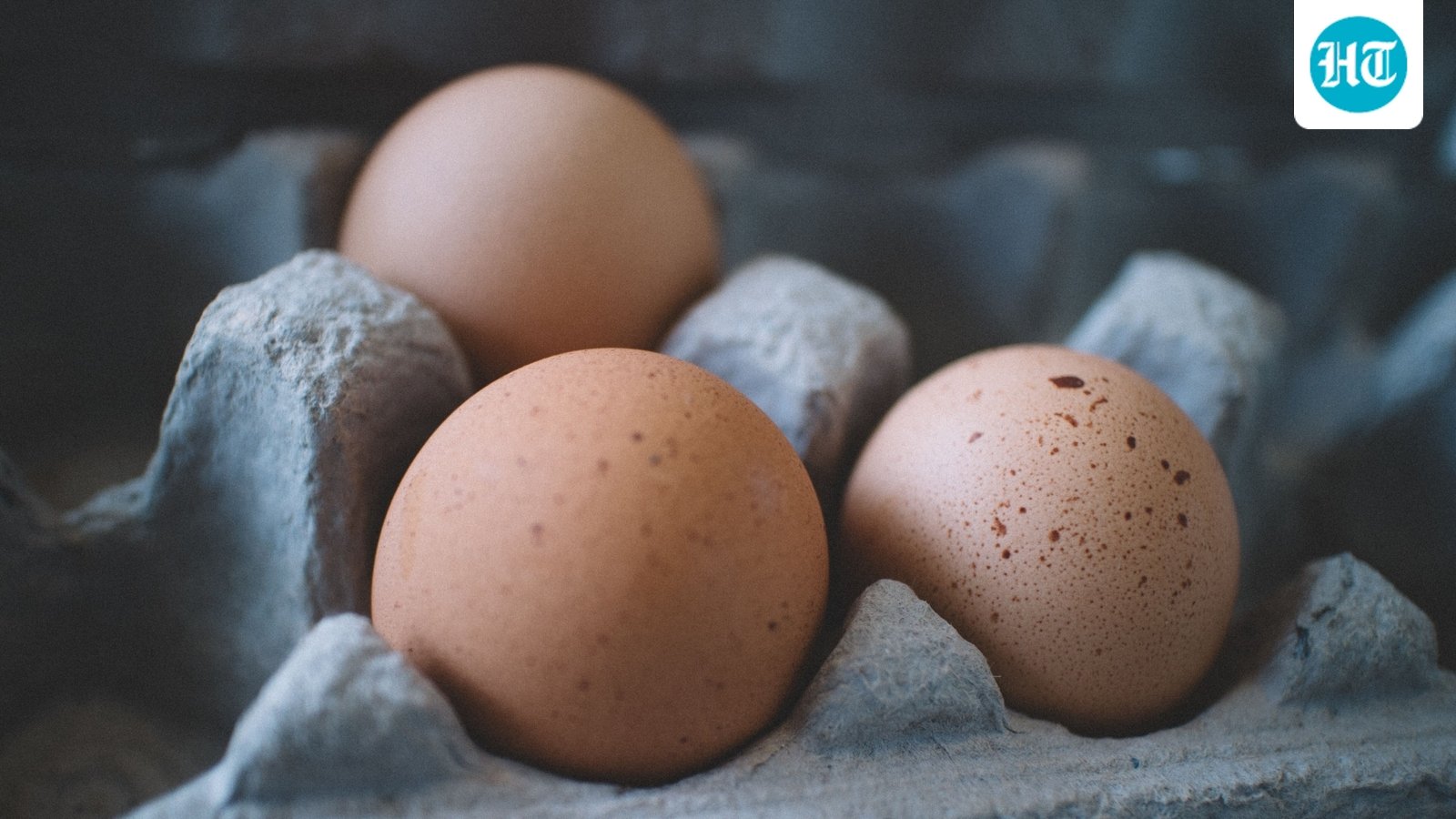
Eggs are among the richest sources of protein, and many people include them in their daily diets to meet their nutritional needs. It is also a popular breakfast choice in many homes. So, conclusively, many households store eggs. But are they doing so the right way?
Also Read | Nutritionist shares 3 things she has on an empty stomach every morning: Fat first to 250 ml of water
‘Stop storing eggs like this…’
On April 5, Ahana Nazar Hafis, a Qatar-based food safety officer, shared the right way to store eggs in an Instagram post. According to the food safety professional, one should know certain essential techniques for maintaining egg quality and safety at home. She warned that the common practises many of us follow for storing eggs are, in fact, spoiling them and making us sick. Here’s the right way to store them and why:
Sharing the Instagram post, the food safety officer issued a warning, “Stop storing eggs like this. Most people don’t realise this simple mistake can affect food safety.” Here’s the guideline she suggested people follow when storing eggs:
- Store in a closed container
- Keep inside the fridge (not door)
- Place pointed side down
The right way to store eggs
According to her, these are some of the common mistakes she sees everywhere. Explaining why you shouldn’t be storing eggs in the open or on the fridge door, she stated, “Eggshells are porous. They can absorb orders, causing cross-contamination. And don’t store eggs on the fridge door. The temperature keeps changing every time you open it.”
Therefore, she suggests, “Here is the right way: Store eggs in a closed container. Keep them inside the fridge, not on the door. And place them pointed side down.” This helps optimise the freshness of eggs. Moreover, by following these simple storage adjustments, one can effectively prevent cross-contamination and extend the shelf life of eggs. These practical tips aim to correct frequent mistakes made by the general public during food preparation.
About the expert
Ahana Nazar is a food technologist and a food safety and hygiene trainer based in Qatar. She also works as a food safety auditor in Qatar. Ahana is HACCP level 3 and 4 certified. She completed her MSc in Food Technology and Quality Assurance at Mahatma Gandhi University in Kerala. She is also a food content creator.
Note to readers: This article is for informational purposes only and not a substitute for professional medical advice. Always seek the advice of your doctor with any questions about a medical condition.
This report is based on user-generated content from social media. HT.com has not independently verified the claims and does not endorse them.
