

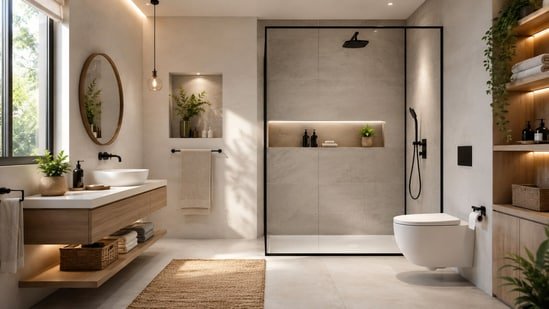

Bathrooms are no longer just functional corners of the home. They are where most of us begin and end the day, making comfort just as important as style. Yet, while planning a bathroom, it is easy to get carried away by attractive designs and overlook practical details that matter in the long run.
Nirupam Sahay, Chief Executive Officer, Hindware Limited, says, “The fittings chosen for a bathroom play a crucial role in shaping its functionality, aesthetics and overall user experience. Selecting the right products goes far beyond matching styles or budgets.”
Here are five common mistakes homeowners make while choosing bathroom fittings and how to avoid them.
Keep functionality at the centre of your bathroom planning
A good-looking bathroom should also work well every single day. From water pressure to storage, small decisions made during the planning stage can make a significant difference to comfort, maintenance and durability.
1. Ignoring water pressure and plumbing compatibility
One of the biggest mistakes is buying taps, showers and mixers without checking if they suit the home’s plumbing system. The performance of these fittings depends on water pressure, which can vary based on the building height, overhead tank placement, pump capacity and water supply system.
A fitting designed for high pressure may deliver a poor flow in homes with lower pressure. Incompatible products can also cause splashing, leaks and faster wear. Checking your plumbing setup before making a purchase helps ensure the fittings perform as expected for years.
2. Choosing fittings one piece at a time
Many people pick a tap today, a shower later and accessories much later, without thinking about how everything comes together. This often results in mixed finishes, inconsistent designs and a bathroom that lacks visual balance.
Treating the bathroom as one complete space creates a more polished result. Selecting fittings from a coordinated collection helps maintain a consistent look while ensuring every element works well together.
3. Focusing only on appearance instead of durability
Shiny finishes and premium-looking materials can be tempting, but bathrooms are exposed to constant moisture, humidity and daily use. A product that looks impressive in the showroom may not perform well over time if it is not made for these conditions.
Instead of making appearance the deciding factor, pay equal attention to corrosion resistance, material quality and long-term durability.
4. Getting the size and proportions wrong
The size of bathroom fittings should match the available space. Large vanities, oversized bathtubs or wide shower enclosures can make a compact bathroom feel crowded. At the same time, very small fittings may look out of place in a spacious bathroom.
Choosing products that suit the room’s dimensions creates better movement, improves comfort and gives the space a balanced appearance.
5. Overlooking storage requirements
Storage is often treated as an afterthought during bathroom planning. The result is countertops filled with toiletries, towels and everyday essentials, making the space feel cluttered.
Built-in storage solutions help keep daily essentials organised while maintaining a neat and clean appearance. Planning storage from the beginning also makes the bathroom easier to use every day.
