

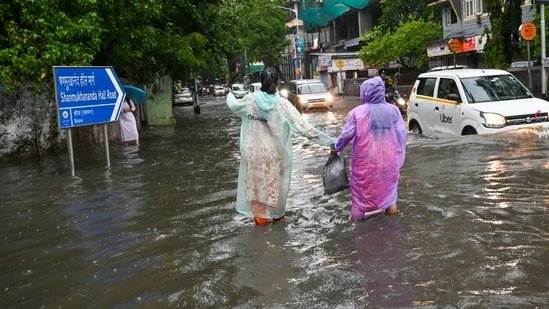
Monsoons often mean waterlogged streets in India, and this isn’t just rainwater that has collected on the streets. It is much more than that, and it is also a health hazard, as during rains, sewage, garbage, animal manure, industrial chemicals, and other nasty stuff get mixed with rainwater.
BMC issues leptospirosis alert
Moreover, it is extremely important to exercise caution when wading through this water during the monsoon. Especially now that the Brihanmumbai Municipal Corporation (BMC) has issued an urgent health advisory urging residents in Mumbai to take preventive measures against leptospirosis, a potentially fatal infection.
The BMC has advised people in Mumbai to take precautions against leptospirosis, a bacterial disease commonly spread through contaminated floodwater. “Stagnant rainwater can harbour diseases like leptospirosis. Avoid walking in stagnant rainwater,” it said, issuing the warning.
What is leptospirosis?
In an interview with HT Lifestyle, Dr Murtaza S Bagwala, head of emergency medicine at Saifee Hospital, Mumbai, warned that leptospirosis is a pivotal issue in the monsoon. “This bacterial infection is transmitted by contaminated water, which is found in the urine of infected animals, especially rats. Rats are also found in urban areas, so there is a heightened risk after heavy rainfall and flooding,” Dr Murtaza cautioned.
Moreover, he noted that leptospirosis is dangerous because at first the symptoms commonly mimic those of a viral illness, and people often tend to ignore them. When left untreated, however, leptospirosis may lead to complications affecting the kidneys, liver, lungs, and other organs, and can be fatal. Early medical treatment can make a big difference.
The symptoms of leptospirosis
Dr Murtaza also shared the first signs and symptoms of leptospirosis that one shouldn’t ignore:
- high fever
- muscle pain, particularly in the calves and lower back
- severe headache
- chills
- vomiting, nausea, and diarrhoea
- eye redness
- jaundice or skin rashes
Meanwhile, the BMC categorised exposure to leptospirosis into distinct risk levels to guide treatment:
- Low risk: Those with no visible cuts or wounds who walked through floodwater once.
- Moderate risk: Those who have minor injuries, cuts, or abrasions on their feet or legs and waded through water.
- High risk: Professionals such as sanitation workers and rescue workers with prolonged contact with stagnant water, or individuals who have been repeatedly exposed.
They also highlighted the importance of the 72-hour golden window, stressing that any Mumbaikar who has waded through floodwater should seek medical advice and begin preventive treatment within 24 to 72 hours of exposure. Receiving treatment within the first 72 hours effectively neutralises the bacteria before they can multiply and attack vital organs.
Note to readers: This article is for informational purposes only and not a substitute for professional medical advice. Always seek the advice of your doctor with any questions about a medical condition.
