

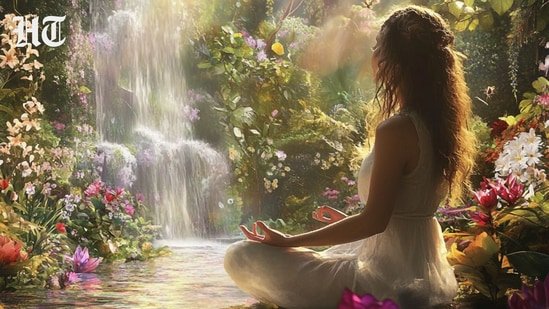
Have you ever felt like you see the world differently from the people around you? Perhaps you ask questions that others never think to ask, or you find yourself searching for meaning in experiences that seem ordinary to everyone else. Many spiritual traditions describe this as part of a spiritual awakening, a journey that encourages greater self-awareness, compassion, and a deeper connection with life.
Everyone’s spiritual path is unique, and there is no single definition of what it means to be spiritually awakened. However, many people who identify with this journey often share similar ways of thinking and approaching everyday life. Here are eight ways a spiritually awakened mind may see the world differently.
ALSO READ: How to keep your peace around a toxic coworker: Crystal, herb, and Feng Shui tips
1. You question everything
Rather than accepting ideas at face value, you naturally want to understand the “why” behind them. Whether it is beliefs, traditions, or social expectations, you are curious about their deeper meaning. This is not about being argumentative. It reflects a desire to understand life more fully instead of simply following familiar patterns.
2. You value critical thinking
Spiritual awakening does not mean turning away from logic. Instead, you learn to combine intuition with thoughtful reflection. You value discernment and try to see situations clearly rather than through assumptions or conditioning. Asking thoughtful questions becomes part of your personal growth.
3. You feel emotions deeply
Empathy often becomes a defining part of your experience. You may easily sense the emotions of other people, feel a strong connection with animals or nature, or be deeply moved by the world around you. While this sensitivity can sometimes feel overwhelming, it can also strengthen your compassion and understanding.
4. You search for deeper meaning
Simple explanations rarely satisfy your curiosity. You often look beyond the surface, trying to understand the purpose behind your experiences, relationships, challenges, and moments of synchronicity. Many spiritually awakened people believe that every experience offers an opportunity to learn something meaningful.
ALSO READ: 7 stages of outgrowing your old life and embracing a new beginning
5. You trust your intuition
As you become more aware of yourself and your surroundings, you may rely more on your inner guidance. Many people on a spiritual path describe intuition as a quiet sense of knowing that appears before logic can fully explain it. Over time, you learn to trust that inner voice while also using practical judgment.
6. You trust the journey of life
Spiritually awakened people often believe that life unfolds with purpose, even during difficult moments. Instead of feeling that life is happening against them, they try to see challenges as opportunities for growth. Many also find comfort in spiritual concepts such as karma and the idea that every experience has something to teach.
7. You seek meaningful conversations
Small talk may not hold your attention for long. You are naturally drawn to conversations about personal growth, healing, purpose, and the bigger questions in life. This does not mean you dislike socializing. It means you value authentic connections and discussions that leave you feeling inspired.
8. You value time alone
For a spiritually awakened person, solitude is not the same as loneliness. Spending time alone offers space to reflect, recharge, and reconnect with yourself. These quiet moments help you process your experiences, nurture your creativity, and return to your daily life feeling more balanced and present.
Spiritual awakening is not about becoming perfect or having all the answers. It is an ongoing journey of learning, growing, and becoming more aware of yourself and the world around you. If these qualities resonate with you, they may reflect your desire to live with greater intention, curiosity, and compassion.
ALSO READ: Want to know the story behind the Chinese zodiac signs? Here’s what ancient folktales reveal
Disclaimer: The content in this article reflects common spiritual beliefs and is shared for informational purposes. It is not a substitute for professional medical, mental health, or scientific guidance.
