

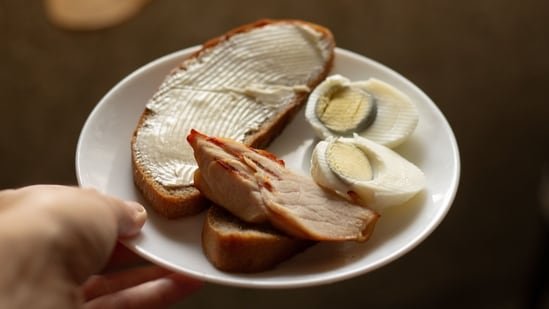
Protein is one of the most important macronutrients that the body needs for growth and repair. It is often touted by health and fitness influencers as the nutrient that one should focus on most while planning meals.
Also Read | Doctor shares signs of morbid obesity along with simple habits that can make a difference
Nevertheless, it is likely that many people do not meet the required protein quota in their daily food intake. In such cases, the body does show visible signs, as per Dr Kunal Sood, a Maryland-based physician in Anesthesiology and Interventional Pain Medicine. Taking to Instagram on July 5, he shared five such signs.
1. Feeling hungry soon after eating
Meals are supposed to keep us full for hours. If a person is feeling hungry soon after eating, it is a sign that the meal they took is not balanced and is likely lacking sufficient protein.
As Dr Siood explained, “Protein increases satiety by stimulating hormones such as GLP-1, peptide YY, and cholecystokinin while reducing ghrelin. Meals low in protein may leave fullness signals fading sooner, making frequent hunger more likely.”
2. Losing strength or muscle
Protein is essential for building and maintaining muscles. As such it is key to maintaining strength in the body.
In the words of Dr Sood, “Muscle is constantly being broken down and rebuilt. Without enough dietary protein, muscle protein breakdown can exceed muscle protein synthesis, contributing to reduced strength, slower recovery, and loss of lean mass over time.”
3. Thinning hair
Hair loss can happen for a number of reasons, but one of them is the lack of protein in the diet.
“Hair is made largely of keratin, a structural protein,” explained Dr Sood. “Low protein intake can contribute to telogen effluvium, where more hairs shift into the resting phase and shed several months after a nutritional or metabolic stressor.”
4. Slow healing of cuts and wounds
“Protein supplies the amino acids needed to build collagen, immune proteins, enzymes, and new tissue during wound healing,” noted Dr Sood. “Inadequate intake may slow tissue repair and weaken the body’s ability to rebuild damaged skin.”
5. Feeling tired despite getting enough sleep
Since protein is essential for maintaining muscle and strength, its deficit can lead to one feeling fatigued.
In the words of Dr Sood, “Protein supports muscle mass, metabolism, and the production of enzymes, hormones, and neurotransmitters. Low intake may contribute to reduced physical resilience and lower energy, especially when combined with muscle loss or frequent hunger.”
While the signs mentioned above do not automatically mean that an individual is protein-deficient, when several occur together, especially with restrictive eating, illness, or weight loss, reviewing protein intake may be worthwhile, as per the physician.
Note to readers: This article is for informational purposes only and not a substitute for professional medical advice. Always seek the advice of your doctor with any questions about a medical condition.
This report is based on user-generated content from social media. HT.com has not independently verified the claims and does not endorse them.
