

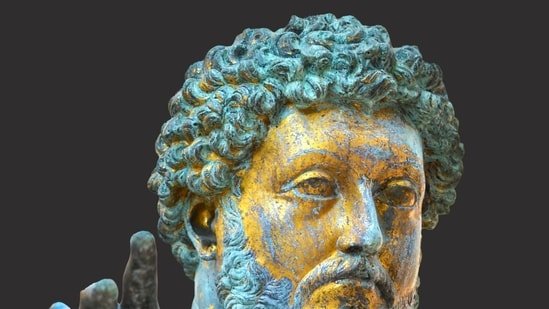
Stress has become part of everyday life. Whether it’s a demanding job, financial worries or constant notifications, it can feel like there’s always something competing for our attention. Long before smartphones and social media, Roman emperor and Stoic philosopher Marcus Aurelius wrote about many of the same human struggles in his personal journal, Meditations.
Although written nearly 2,000 years ago, his reflections continue to resonate with readers looking for practical ways to stay calm, focused and resilient. Stoicism isn’t about suppressing emotions or pretending that life is easy. Instead, it encourages people to respond thoughtfully rather than react impulsively.
Here are five Stoic lessons from Marcus Aurelius that can help you navigate everyday stress.
- Focus on what you can control
One of the central ideas in Stoicism is learning to separate what you can control from what you cannot. You can’t control other people’s opinions, unexpected setbacks or world events, but you can control how you respond.
Instead of spending energy worrying about every possible outcome, Stoicism encourages directing your attention toward your own choices, actions and attitude. This simple shift can make stressful situations feel more manageable.
2. Don’t let every setback define your day
Bad days happen. Plans fall through, mistakes are made, and unexpected problems arise. Marcus Aurelius believed obstacles are part of life rather than exceptions to it.
Instead of asking, “Why is this happening to me?” Stoicism encourages asking, “How can I respond wisely?” Viewing challenges as opportunities to build patience and resilience can make them easier to handle.
3. Live in the present moment
Many people spend their time replaying yesterday or worrying about tomorrow. Stoic philosophy reminds us that the only moment we truly have is the present.
Rather than becoming overwhelmed by everything on your to-do list, focus on the next task in front of you. Paying full attention to what you’re doing now can reduce mental clutter and improve concentration.
4. Choose your reactions carefully
Stressful situations don’t always create suffering on their own. Often, it’s our immediate reactions that make them feel worse.
Marcus Aurelius believed people should pause before responding with anger, frustration or fear. Taking a moment to think before speaking or acting can help prevent unnecessary conflict and lead to better decisions.
Whether it’s a disagreement at work or an unexpected inconvenience, responding calmly often produces better results than reacting emotionally.
5. Practice gratitude every day
Stoicism isn’t only about overcoming difficulties. It also encourages appreciating what is already going well.
Taking a few moments each day to reflect on supportive relationships, good health, or small victories can shift attention away from constant worries. Gratitude doesn’t erase life’s challenges, but it can provide a healthier perspective during difficult times.
Why is Stoicism followed in modern life?
The world has changed dramatically since Marcus Aurelius wrote Meditations, but many of the challenges people face today, uncertainty, disappointment, pressure and change, remain remarkably similar.
Stoicism doesn’t promise a stress-free life. Instead, it offers practical tools for meeting life’s ups and downs with greater patience, self-awareness and perspective. By focusing on what you can control, staying present and responding thoughtfully, the philosophy encourages a calmer and more resilient approach to everyday living.
