

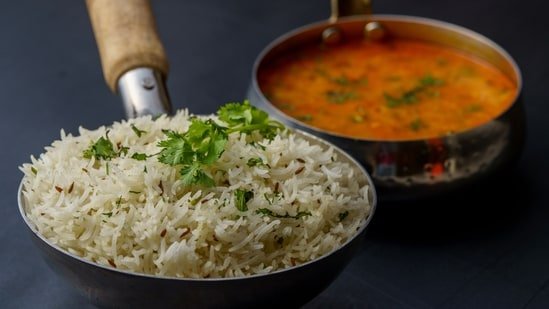
No food is more comforting and recognisable to the Indian palate than a serving of dal-chawal. Irrespective of whether it is eaten during weekdays as lunch, during an illness, or when feeling nostalgic about home, it has definitely established itself among the most favourite comfort foods of India. But given the increasing concern regarding diabetes, obesity, and weight issues, people always come up with a question: ‘Should I stop eating dal-chawal because it raises blood sugar?’ In an interview with HT Lifestyle, Archana Batra, a dietitian and certified diabetes educator, reveals why the way you eat dal-chawal matters more than you think.
Also read | UK nutritionist warns ‘your rice is full of toxic arsenic’, explains ‘method to cut rice toxicity by 73%’
Why does dal-chawal get a bad reputation?
Archana highlighted that rice has been one of the most misunderstood food items in terms of nutrition. People think that rice should be avoided if they have to lose weight or manage their blood sugar levels. Even though the glycaemic index of white polished rice is higher compared to some wholegrain products, considering just one food item gives only a partial understanding of the situation.
“The science of nutrition considers the whole meal, not just one food item. If rice is taken with dal, vegetables, fibre, and good fats, the body’s metabolism changes completely. That is why calling dal-chawal unhealthy is too simple a conclusion,” said Archana.
Dal brings more than just taste
According to Archana, dal is a great provider of protein, dietary fibre, B vitamins, iron, and other essential minerals. It can aid in increasing satiety levels, muscle maintenance, and the absorption of carbohydrates from rice. There are different types of dals, which have various advantages for our body. Moong dal is considered easily digestible, masoor dal is high in iron, and chana and arhar dal provide a good amount of protein and fibre.
The real concern is portion size
Archana highlighted that the major reason why dal-chawal causes weight gain is because of the large portions of rice and low intake of protein and veggies. The high-carb composition of an excessively large bowl of rice leads to more blood glucose spikes, especially for individuals who have problems with blood sugar levels.
What’s the right way to eat?
Archana recommends that rather than giving up on rice, you change the distribution of your meals. Half the plate should be filled with seasonal vegetables; one-fourth of the plate should contain dal; the remaining fourth should contain rice. Just some simple additions to the dal-chawal diet can help make this meal much more nutritious. Adding a serving of salad to the diet helps to increase fibre intake. The addition of a small quantity of ghee, which is made at home, adds healthy fat content to the body and makes one feel full.
Should people with diabetes avoid it?
“Not at all,” said Archana. Diabetes patients certainly do not have to fear their traditional foods; instead, they should be learning portion control and food balancing. Dal-chawal is perfectly fine to include in a meal plan of diabetes patients, along with other food groups, including veggies, enough protein, exercise, and mindful eating. Moreover, completely staying away from foods that you love usually ends up becoming frustrating and unsustainable in the long run.
Note to readers: This article is for informational purposes only and not a substitute for professional medical advice. Always seek the advice of your doctor with any questions about a medical condition.
