

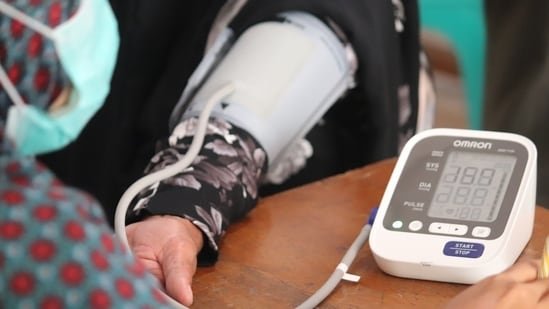
For many people, an annual health check-up is the only time their blood pressure gets measured. But that one reading may not tell the whole story. In fact, experts say your blood pressure is best measured when you’re calm and relaxed – something that’s easier said than done in a doctor’s clinic or hospital, where anxiety alone can temporarily send the numbers soaring. So, how can you know your true baseline?
Dr Jeremy London, a board-certified cardiothoracic surgeon with 25 years of experience, is explaining why checking your blood pressure regularly is far more reliable than relying on a single reading during your annual health check-up. In an Instagram video shared on June 24, the heart surgeon breaks down the phenomenon of white coat syndrome and explains why blood pressure readings taken in a doctor’s clinic may not always reflect your true baseline.
What is white coat syndrome?
According to Dr London, the blood pressure reading taken at a doctor’s office may not be entirely accurate and this can be due to a phenomenon called white coat syndrome. Some people may feel uncomfortable, anxious or stressed in clinical or hospital settings, which can trigger a temporary spike in blood pressure. This results in an elevated but inaccurate reading.
The heart surgeon explains, “The blood pressure reading at your doctor’s office may be misleading. Something called white coat syndrome. You’re anxious. You’re nervous. You’re uptight even before the cuff goes up on your arm and then the number comes back unusually high.”
The 2-2-7 method
Instead of relying on one reading taken annually during health check ups, Dr London recommends measuring your blood pressure regularly for a more accurate average. He suggests using the 2-2-7 method, which involves taking your blood pressure readings twice a day, for a period of seven days and then calculating an average. This provides a more accurate baseline.
He notes, “You don’t want to bet your health care decisions on one single number. There’s a better way: the 2-2-7 method. You get a home arm blood pressure cuff. You measure your blood pressure two times on two separate occasions during the day, morning and evening, for seven days. You keep a log and average those numbers. That is a more accurate baseline. That’s what your doctor needs to know.”
Why is this important?
The heart surgeon points out that nearly half of the American population lives with hypertension, and many are unaware they have it. Despite how common the condition is, he emphasises that high blood pressure remains the single most modifiable risk factor for heart disease. That’s why regularly monitoring your blood pressure and knowing your numbers can play a crucial role in protecting your long-term heart health.
Dr Longon highlights, “50 percent of Americans have high blood pressure and many are not even aware. And it’s the single most modifiable cardiovascular risk factor we have. And remember, you can’t fix it if you don’t measure it.”
Note to readers: This article is for informational purposes only and not a substitute for professional medical advice. It is based on user-generated content from social media. HT.com has not independently verified the claims and does not endorse them.
