

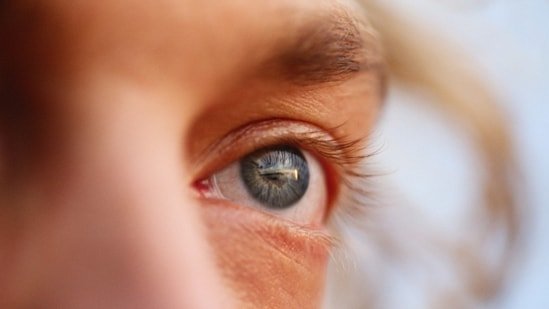
In today’s world of constant screen time and pollution, watery eyes and irritation have become a common condition. In an interview with HT Lifestyle, Dr Shibal Bhartiya, clinical director, ophthalmology, Marengo Asia Hospitals, Gurgaon, explains the surprising reason behind these symptoms and when to seek medical attention.
Also read | Hot weather makes your eyes look tired? Doctor shares tips to manage puffiness and dark circles
Why do your eyes water constantly?
Dr Shibal said, “Constant watery eyes and a dry eye diagnosis sounds like a contradiction. It isn’t, and understanding why could change how you treat your eyes forever.”
She highlighted that the tear film on your eye isn’t just water. It has three layers: oil, water, and mucus. These together keep the surface smooth and stable. When that film breaks down, the eye sends an SOS. The brain responds by flooding the eye with emergency tears. We call it reflex tearing. It’s reactive, it’s excessive, and it means almost nothing in terms of actual lubrication. So the eye is simultaneously dry and watering.
Why does this matter right now?
Screen time has changed everything. We blink less, about a third as often, when we’re on screens. The oil glands in our eyelids get clogged. The tear film evaporates faster than it’s made. Add air pollution, air-conditioned offices, and long commutes, and dry eye disease is now one of the most under-diagnosed conditions, especially in urban India.
What to look for?
According to Dr Shibal, here are the symptoms you need to look for:
• Watery eyes that get worse by evening
• A burning or stinging sensation
• Blurred vision that clears when you blink
• Sensitivity to wind or AC
• Eyes that feel tired even after a full night’s sleep
Any of these, persisting beyond two weeks, deserve a proper evaluation, and not another bottle of artificial tears from the chemist.
What actually helps?
According to Dr Shibal, warm compresses on the eyelids, omega-3 supplements, preservative-free lubricating drops, and reduced screen time with deliberate blinking breaks are some of the ways to treat this. However, in persistent cases, prescription drops or in-clinic treatments target the oil glands directly.
Note to readers: This article is for informational purposes only and not a substitute for professional medical advice. Always seek the advice of your doctor with any questions about a medical condition.
