

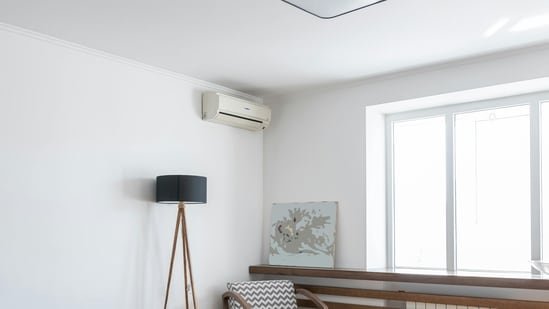
Air-conditioned spaces may feel like a much-needed respite during peak summer, especially when the heat outside is unforgiving. Air conditioners are regarded as survival tools in the heatwaves, particularly. From offices, homes, to gyms, people now spend long hours in artificially cooled spaces. But this comfort also brings in complaints of stiff knees, a tight neck, aching back or muscle discomfort after sitting in AC for far too long.
ALSO READ: Pain in knees when you walk? Cult Fit founder shares 5 exercises to strengthen joints
But is air conditioning really responsible for all the joint-related pain? Dr Bharat S. Mody, chairman and chief orthopaedic surgeon at Welcare Hospital, told us about the science behind it.
Is AC to be blamed?
The problem is not directly with the air conditioner, but with how it makes you behave in air-conditioned spaces. “Air conditioning does not directly cause arthritis and bone degeneration. But prolonged sedentary indoor habits associated with excessive AC exposure seem to have worsened stiffness and muscle discomfort amongst individuals,” he explained.
In the air-conditioned spaces, people end up sitting for 8 to 10 hours in relaxed for poor postures, which can slowly trigger stiffness, muscle tightness and joint discomfort.
Why do older people report joint pain more in air-conditioned rooms? Dr Mody told us that ageing muscles and joints are naturally less resilient. Their reduced muscle mass, poorer circulation and underlying degenerative joint condition make it difficult for them to tolerate temperature variations.
Why do joints feel stiff in cold environments?
There is a scientific reason why joints may be more vulnerable in cold indoor spaces, especially for those already dealing with certain joint-related problems. The surgeon explained that one may experience temporary tightening of the muscles, reduced flexibility, and slower circulation. This may be more observable in people who already suffer from pre-existing joint or pain-related conditions.
“People with osteoarthritis, cervical spondylosis, frozen shoulder, lower back pain or past injuries may experience increased discomfort during prolonged AC exposure,” Dr Mody mentioned the ailments which make one more vulnerable.
Does AC affect bones directly?
The surgeon further clarified that air conditioning does not directly weaken bones, cause osteoporosis or damage the skeletal system, as there is scientific evidence to suggest this. The real concern is more indirect and may be linked to deficiencies and lifestyle habits. During summer, many people spend most of their time indoors, which means less movement, lower sunlight exposure and sometimes poorer hydration.
“ Vitamin D deficiency remains highly prevalent among urban Indians who spend long hours indoors and don’t get enough sunlight. Vitamin D is essential for healthy bones and calcium absorption; deficits can cause muscle weakness, fatigue, soreness in the bones, and, in severe cases, an increased risk of fracture,” Dr Mody noted.
Symptoms people ignore
Many individuals ignore early warning signs until they develop into chronic problems. Persistent symptoms should not be dismissed as ‘just AC discomfort.’ Here are some of the signs Dr Mody highlighted:
- Continuous neck or back stiffness
- Knee discomfort after sitting for long periods
- Muscle cramps
- Shoulder tightness
- Tingling or numbness in the hands
- Early morning stiffness
- Generalised body aches
- Fatigue associated with prolonged indoor work
Don’t normalise them. The doctor believed they could indicate muscular strain, postural problems, early arthritis or Vitamin D deficiency.
Prevention
The good news is that AC-related stiffness and muscle discomfort can be prevented with simple everyday lifestyle changes. Adjustments in temperature, seating, hydration and movement can help protect the joints and muscles if you spend long hours in cooled spaces.
Here is a brief guide, as shared by the surgeon, regarding precautionary measures:
1. Keep the air conditioner at a reasonable temperature:
- Very low temperatures are not necessary.
- A temperature range of 24 to 26°C is sufficient and better for the body.
2. Steer clear of direct cold airflow:
- Avoid spending a lot of time sitting directly beneath air conditioning vents.
- Especially over your neck, knees, or back.
3. Keep moving:
- Regular movement is one of the strongest preventive strategies.
- Every 30 to 45 minutes when working at a desk, take a few minutes to stand, stretch, and walk.
4. Remain hydrated:
- Air-conditioned spaces are frequently dry,and one may become more dehydrated.
- Muscle and joint function are supported by adequate hydration.
5. Use ergonomic seating to maintain good posture:
- One of the main causes of musculoskeletal pain is poor posture and prolonged computer use.
- Make use of seating that is ergonomic and back is straight.
6. Make sure to get enough sunlight and exercise:
- Maintaining bone and muscle health requires regular walking, strengthening activities, and moderate sun exposure.
7. Dress appropriately:
- Light layering in excessively cold indoor spaces may help those with higher sensitivity.
Note to readers: This article is for informational purposes only and not a substitute for professional medical advice. Always seek the advice of your doctor with any questions about a medical condition.
