

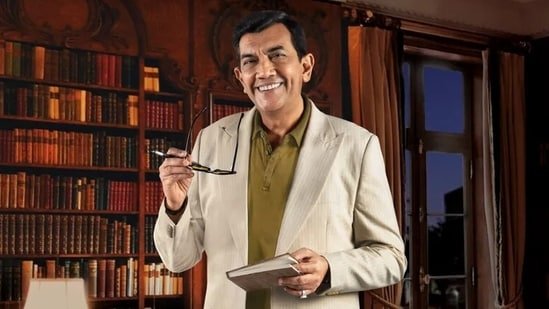
He is the face that brought gourmet cooking into millions of Indian living rooms, a culinary icon who has spent decades surrounded by indulgent masterpieces, rich sauces, and decadent desserts. Yet, in his early 60s, chef Sanjeev Kapoor exudes a rare, calm energy and a level of physical fitness that rivals men half his age. Also read | Chef Sanjeev Kapoor’s 5 high protein veg recipes for fitness enthusiasts: South Indian beetroot quinoa pachadi to salad
In an exclusive interview with HT Lifestyle, chef Kapoor opened up about the daily health rituals, unconventional fitness philosophies, and mental health tools that keep him active and grounded in his 60s. For chef Kapoor, who was awarded the prestigious Padma Shri Award in 2017 by the President of India, one of India’s highest civilian awards, staying healthy isn’t about rigid deprivation; it’s an art form rooted in balance, home-cooked food, and a healthy dose of drumming.
The ‘off-camera’ diet: No-fuss home cooking
While fans are used to seeing him craft complex, luxury dishes on screen, chef Kapoor’s personal plate is surprisingly grounded. When asked about his typical off-camera daily eating habits, he laughed off the idea of a strict, complicated regimen. “I eat everything! I’m not a fussy eater,” chef Kapoor shared.
“What I eat really depends on where I am. Typically, if I’m at home, then I eat home-cooked food for breakfast, lunch, and dinner. It could be rajma chawal made at home or a risotto; the focus is that it should be home-made,” he added.
Surrounded by culinary temptations daily, he acknowledged that the occupational hazard of constant grazing is tough to beat. When asked how he balances tasting food all day with maintaining his physique, he quipped honestly, “I wish I could!”
Instead of fighting cravings or cutting out food groups, chef Kapoor’s strategy relies entirely on mindfulness. “I’m mindful about the portions I eat,” he explained, adding, “It’s all about balance, awareness, and moderation rather than strict denial.”
When the high-pressure culinary world leaves him emotionally or physically drained, chef Kapoor bypasses restaurant menus entirely for a simple, vibrant family staple. “Khichdi, especially a bright green palak khichdi, is our family favourite and something I make very often. It’s simple, comforting and always hits the spot,” he said.
Fitness beyond the gym
The professional kitchen is a notoriously high-stress, physically demanding environment requiring hours on one’s feet. However, don’t expect to find chef Kapoor following a monotonous gym routine. “I get bored very easily, so my approach to fitness is a mix of different things rather than one fixed routine,” he revealed, adding, “It’s a combination of walking and completing my daily steps, simple cardio, yoga from time to time, and taking the stairs whenever possible.”
After an exhausting day under studio lights and over hot stoves, he skips complex hydrotherapy or stretching protocols for the ultimate biohack: “A good night’s sleep is the best recovery for me!”
Protecting his peace: drums over burnout
In an industry infamous for high burnout rates, chef Kapoor’s trademark calm demeanour is a shield he has consciously built over his decades in the public eye. His secret to unplugging involves trading his chef’s knife for drumsticks: “Over the years, I’ve understood the value of work-life balance.”
Chef Kapoor added, “Music is also something I deeply enjoy. I have a complete music setup in my office, and whenever I get the time, I unwind by playing the drums.” This ability to detach also dictates how he handles the inevitable mistakes that happen in the kitchen and the intense scrutiny that comes with being a household name across India. “The road to success goes through many obstacles,” he reflected, adding, “I treat it as a learning curve and do not let it bother me.”
Now in his 60s, chef Kapoor noted that his priorities have naturally shifted from the relentless hustle of his 30s toward longevity and self-care. “I now try and take more time out for myself and focus on my health and wellbeing,” he shared. When asked to name the three staple ingredients he insists on for his personal health, his answer bridges the physical and the emotional: “Love, fresh air and fresh ingredients.”
His top picks: neem water to napping
To wrap up, we put the culinary maestro through a quick-fire round on his personal health preferences, uncovering a traditional morning routine and an unapologetic love for rest.
⦿ The ultimate morning drink
Forget bulletproof coffee or trendy teas, chef Kapoor starts his day with a traditional Indian remedy: “Neem aur bael ke patte ka pani (Neem and bael leaf water) soaked overnight in a copper glass.”
⦿ His sleep philosophy
He rejects the debate between being an early bird or a night owl: “Sleep whenever you get the time! My favourite hobby is sleeping!”
⦿ The best mental health tool
When forced to choose between a journal, a long walk, or a chopping board, chef Kapoor takes a holistic route: “A little of everything.”
⦿ The health trend he hates
Chef Kapoor doesn’t mince words when it comes to dangerous shortcuts flooding the wellness industry, calling out the ‘indiscriminate use of medication for quick weight loss‘ as the one health myth he wishes people would stop following immediately.
Note to readers: This article is for informational purposes only and not a substitute for professional medical advice. Always seek the advice of your doctor with any questions about a medical condition.
