

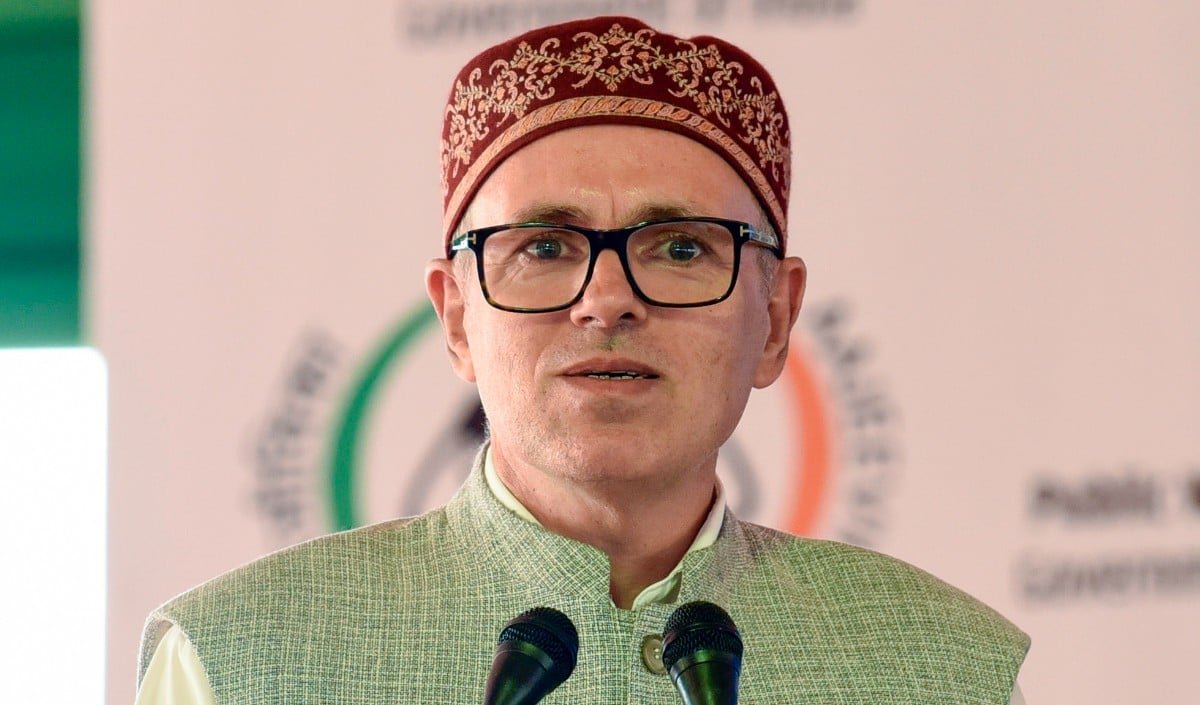
जम्मू-कश्मीर में एक नया राजनीतिक विवाद छिड़ गया है, जिसमें मुख्यमंत्री उमर अब्दुल्ला की सरकार की स्थिरता पर सवाल उठ रहे हैं। क्या सरकार आंतरिक कलह का सामना कर रही है? क्या विधायक नेतृत्व से नाखुश हैं? उमर अब्दुल्ला ने 3 जून को सभी विधायकों की बैठक क्यों बुलाई? ये सवाल भारतीय जनता पार्टी (भाजपा) के इस दावे के बाद गहन राजनीतिक चर्चा का केंद्र बन गए हैं कि नेशनल कॉन्फ्रेंस के नेतृत्व वाली सरकार को निकट भविष्य में गंभीर चुनौतियों का सामना करना पड़ सकता है।
इसे भी पढ़ें: Jammu-Kashmir से आईं ये खबरें चिंता बढ़ाने वाली हैं! घुसपैठ, अवैध संचार नेटवर्क और ISI की नई साजिशों का खुलासा, सुरक्षा एजेंसियां अलर्ट
3 जून को पार्टी विधायकों के साथ बुलाई गई आपातकालीन बैठक को लेकर मुख्यमंत्री उमर अब्दुल्ला पर निशाना साधते हुए विपक्ष के नेता सुनील शर्मा और वरिष्ठ भाजपा नेता अल्ताफ ठाकुर ने आरोप लगाया कि मुख्यमंत्री अपनी “डूबती नाव” को बचाने के लिए हताशा में आखिरी कोशिश कर रहे हैं। भाजपा नेताओं ने जोर देकर कहा कि जम्मू-कश्मीर के राजनीतिक परिदृश्य में जल्द ही बड़े बदलाव देखने को मिल सकते हैं और दावा किया कि मौजूदा सरकार का अस्तित्व खतरे में है।
अल्ताफ ठाकुर ने कहा कि सत्ताधारी पार्टी के कई विधायक उमर अब्दुल्ला के नेतृत्व से नाखुश हैं। उन्होंने दावा किया कि उन्हें मनाने के पिछले प्रयास विफल रहे थे और 3 जून की बैठक असंतुष्ट विधायकों को वापस लाने और सरकार को बचाने का अंतिम प्रयास था। ठाकुर ने आगे कहा कि यह असंतुष्ट विधायकों को समझाने और सरकार को बचाने का आखिरी प्रयास है। उमर अब्दुल्ला के प्रयास विफल होने तय हैं। 3 जून तक इंतजार कीजिए और देखिए बैठक के बाद क्या होता है।
भाजपा के दावों का जवाब देते हुए, अपनी पार्टी के वरिष्ठ नेता मुंतज़िर मेहदी ने स्वीकार किया कि नेशनल कॉन्फ्रेंस के कुछ विधायकों में असंतोष मौजूद है। मेहदी ने कहा कि इसमें कोई संदेह नहीं है कि नेशनल कॉन्फ्रेंस के कई विधायक पार्टी से नाखुश हैं और पार्टी छोड़ना चाहते हैं। इसका कारण यह है कि उमर अब्दुल्ला जनादेश के अनुसार काम करने में विफल रहे हैं। व्यक्तिगत रूप से, मैं कई असंतुष्ट विधायकों को जानता हूं। उन्होंने आगे तर्क दिया कि 3 जून की बैठक के उद्देश्य में कोई अस्पष्टता नहीं थी और दावा किया कि इसका मुख्य उद्देश्य शिकायतों का समाधान करना और असंतुष्ट विधायकों को पार्टी में बने रहने के लिए मनाना था।
देशभर की राजनीति, ताज़ा घटनाओं और बड़ी खबरों से जुड़े रहने के लिए पढ़ें National News in Hindi केवल प्रभासाक्षी पर।
