

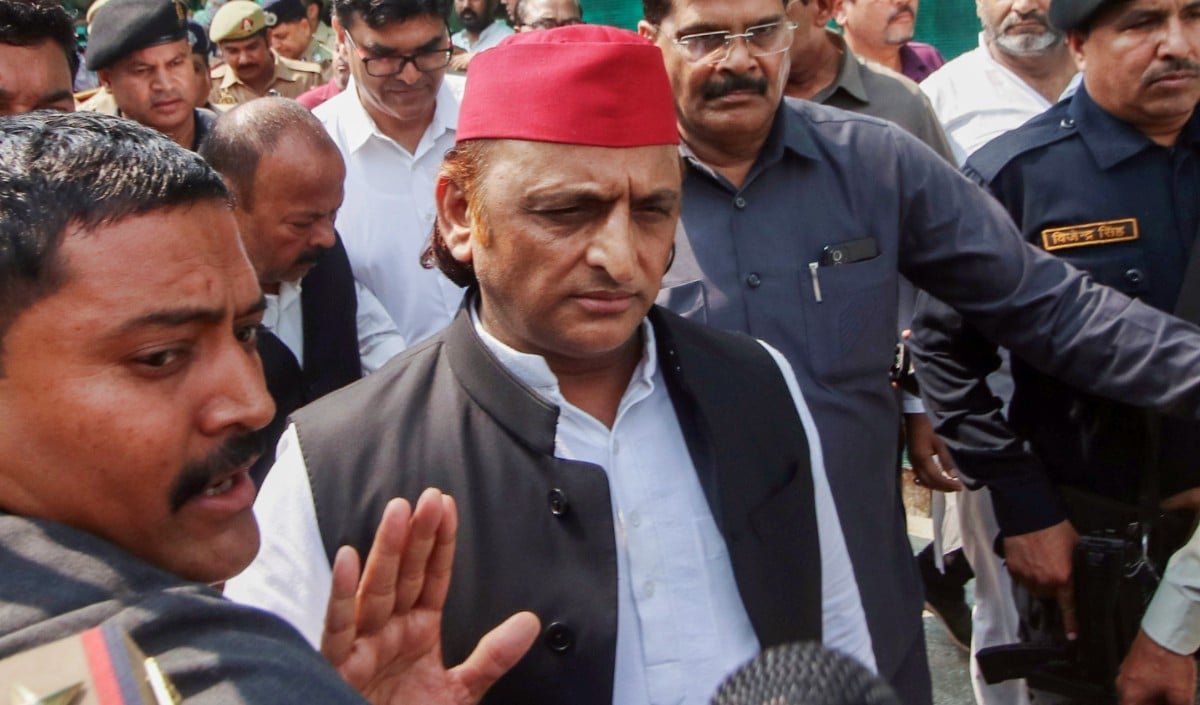
समाजवादी पार्टी के अध्यक्ष अखिलेश यादव ने बुधवार को भाजपा सरकार पर आरक्षण व्यवस्था को कमजोर करने का आरोप लगाते हुए कहा कि संविधान के तहत प्रदत्त अधिकारों को प्राप्त करने के लिए लोगों को अदालतों का रुख करने के लिए मजबूर होना पड़ रहा है। पार्टी मुख्यालय में एक प्रेस कॉन्फ्रेंस को संबोधित करते हुए यादव ने आरक्षण की लूट पर पीडीए ऑडिट नामक एक दस्तावेज जारी किया। उत्तर प्रदेश के पूर्व मुख्यमंत्री ने कहा कि पीडीए ऑडिट और आरक्षण की लूट पर यह दस्तावेज लगातार बेहतर होता रहेगा और इसमें और अधिक आंकड़े शामिल किए जाएंगे।
इसे भी पढ़ें: Rae Bareli में गरजे Rahul Gandhi, PM Modi-शाह को बताया ‘गद्दार’; BJP बोली- यह Pakistan की भाषा
यादव ने जून 2023 में ‘पीडीए’ शब्द गढ़ा था, जिसका अर्थ है ‘पिछड़े’, ‘दलित’ और ‘अल्पसंख्यक’। उन्होंने कहा कि वर्चस्ववादी ताकतें रोजगार बाजार में आरक्षण को खत्म कर रही हैं। वे ‘एनएफएस’ (उपयुक्त नहीं पाया गया) का भ्रामक नारा फैला रही हैं और अपने जैसी विचारधारा वाले लोगों को पिछले दरवाजे से नौकरी दिलवाने में लगी हैं। भाजपा छल कर रही है। भाजपा असमानता के खिलाफ सदियों पुरानी इस लड़ाई को अनुचित तरीकों से जीतना चाहती है। वह तीसरे पक्ष – न्यायपालिका – को भी प्रभावित करने की हद तक जा रही है। उन्हें समानता नहीं चाहिए।
सत्ताधारी भाजपा को निशाना बनाते हुए यादव ने कहा कि अगर छात्रों और उम्मीदवारों को संवैधानिक प्रावधानों को लागू करवाने के लिए अदालतों का दरवाजा खटखटाना पड़े, तो यह समझा जाना चाहिए कि सरकार पक्षपातपूर्ण है। उन्होंने आरोप लगाया कि अगर हमें संवैधानिक अधिकारों के लिए अदालतों का रुख करना पड़े, तो इसका मतलब है कि सरकार पक्षपातपूर्ण है। और जो पक्षपातपूर्ण होता है, वह विश्वासघाती भी होता है। पक्षपात अपने आप में अन्याय है क्योंकि यह अधिकारों को छीन लेता है।’
इसे भी पढ़ें: ये घोष डरने वाली नहीं है…अभिषेक बनर्जी के साथ प्रॉपर्टी में जॉइंट नाम वाली खबरों पर बोलीं सयानी
संसद प्रमुख ने आरक्षण को सामाजिक न्याय और समानता का साधन बताया। उन्होंने कहा कि आरक्षण सुरक्षा है। आरक्षण सामाजिक समन्वय का एक उपकरण और माध्यम भी है। भाजपा सरकार की मनमानी कार्रवाई का जिक्र करते हुए यादव ने कहा कि अगर भाजपा सरकार को बुलडोजर का इस्तेमाल करना ही है, तो उन्हें असमानता की खाई को पाटने और सभी को उनका उचित आरक्षण दिलाने के लिए इसका इस्तेमाल करना चाहिए।
देशभर की राजनीति, ताज़ा घटनाओं और बड़ी खबरों से जुड़े रहने के लिए पढ़ें National News in Hindi केवल प्रभासाक्षी पर।
