

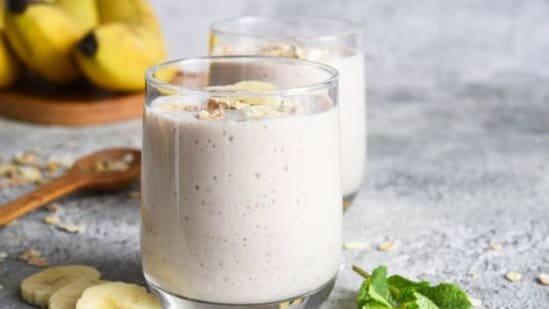
Cold smoothies with blended bananas and peanut butter can easily become a refreshing breakfast choice during hot summer mornings. Creamy high-protein banana peanut butter smoothie combines ripe bananas, peanut butter, milk, oats, and seeds to create
Banana smoothies became popular because bananas blend smoothly without needing heavy cream or added sugars. Peanut butter adds nutty flavour and creamy consistency while also making the shake more filling and balanced for breakfast or post-workout meals. This smoothie is often prepared with chilled milk, oats, seeds, or yoghurt to improve texture and protein content.
Creamy high-protein banana peanut butter smoothie differs from regular smoothies because it contains more protein-rich ingredients instead of mainly fruit juice or ice cream. Compared to sugary café-style shakes, this version develops thicker texture and balanced sweetness while remaining lighter and more suitable for healthy meal routines.
Bananas provide potassium and natural sweetness”>potassium and natural sweetness while peanut butter contributes protein and healthy fats”>protein and healthy fats. Oats, seeds, or yoghurt can also improve fibre”>improve fibre and texture without making the smoothie excessively heavy during summer weather.
Its creamy consistency, nutty aroma, and smooth chilled texture make it suitable for breakfast, meal prep, or post-workout drinks. The combination of bananas, peanut butter, and protein-rich ingredients creates a healthy weight loss shake that feels refreshing, practical, and easy to prepare at home.
Difference Between High Protein Banana Peanut Butter Smoothie and Regular Smoothie
Quick Smoothie Snapshot
Prep Time: 5 minutes
Cook Time: No cooking required
Servings: 2 glasses
Calories: 240 calories per serving
Flavour Profile: Creamy, nutty, and mildly sweet
Nutrition: High protein and fibre-rich
Difficulty: Easy
Creamy Banana Peanut Butter Smoothie with Oats and Seeds
This high-protein smoothie combines ripe bananas, peanut butter, oats, and milk to create a creamy breakfast shake. The oats improve texture while the peanut butter adds nutty richness naturally.
Ingredients
- 2 ripe bananas
- 2 tablespoons peanut butter
- 1 cup chilled milk
- 2 tablespoons rolled oats
- 1 tablespoon chia seeds
- 1 teaspoon honey (optional)
- Ice cubes as needed
Step-by-Step Instructions
- Add bananas, peanut butter, oats, and chia seeds into a blender jar. The bananas help create smooth and creamy texture naturally.
- Pour chilled milk into the blender and add honey if slightly sweeter flavour is preferred.
- Add a few ice cubes and blend until the smoothie becomes thick and smooth. Proper blending improves creaminess and texture balance.
- Check the consistency and add extra milk if a thinner smoothie is preferred. Blend again briefly.
- Pour into serving glasses and enjoy immediately while cold and fresh.
Simple Tips to Make Banana Peanut Butter Smoothie More Nutritious
Add Greek Yoghurt for Extra Protein
Greek yoghurt improves creaminess and increases protein naturally. It also creates a thicker smoothie texture without extra sugar.
Freeze the Bananas Before Blending
Frozen bananas create creamier consistency and colder texture naturally. This also reduces the need for excess ice cubes.
Add Unsweetened Cocoa Powder
Cocoa powder adds richer flavour without making the smoothie overly sweet. It also pairs naturally with peanut butter and banana.
Use Rolled Oats Instead of Instant Oats
Rolled oats improve texture and fibre content more effectively. They also help keep the smoothie thicker for longer.
Include Mixed Seeds for Better Nutrition
Flax, chia, and sunflower seeds improve healthy fats and crunch naturally. They also make the smoothie more balanced for breakfast.
Choose Unsweetened Peanut Butter
Unsweetened peanut butter keeps the smoothie lighter and less sugary. Natural peanut butter also provides cleaner nutty flavour.
Add Cinnamon for Extra Flavour
A small pinch of cinnamon improves aroma and flavour naturally. It also blends well with banana and peanut butter taste.
Nutritional Value of Banana Peanut Butter Smoothie
Banana peanut butter”>Banana peanut butter smoothie combines bananas, peanut butter, milk, and oats to create a balanced high-protein breakfast drink with creamy texture.
FAQs
Is banana peanut butter smoothie suitable for weight loss meals?
The smoothie contains protein, fibre, and balanced ingredients that can work well in controlled meal portions. Using unsweetened peanut butter and limiting added sugar helps keep it lighter.
Can water be used instead of milk in this smoothie?
Water can be used, though the smoothie may become less creamy and slightly thinner in texture. Plant-based milk also works well as an alternative.
Which bananas work best for this smoothie?
Ripe bananas work best because they blend smoothly and provide natural sweetness. Slightly frozen bananas also improve the creamy texture naturally.
