

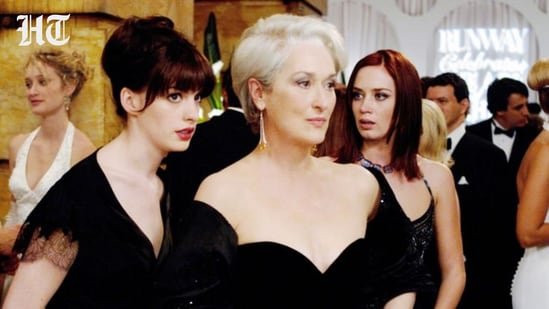
Not many movie characters have mastered the art of saying everything without saying much, like Miranda Priestly in The Devil Wears Prada. Played brilliantly by Meryl Streep, Miranda became the ultimate symbol of quiet power. Her sharp glances, unreadable expressions, and perfectly timed pauses turned simple moments into authority statements.
“She did not need dramatic reactions; her face did the work. From a face reading and body language perspective, Miranda is a perfect example of how emotional control can become its own form of leadership, “ says IPHM-certified Spiritual Life Coach and Energy Worker, Kishori Sud of EnigmaTarotTribe.
Here is a breakdown of Miranda Priestly’s facial expressions
The power of minimal expression
Miranda’s face rarely gives away unnecessary emotion. There are no exaggerated smiles, no visible panic and no need for constant approval.
In face reading, emotional restraint often signals strong boundaries and self-discipline. She does not rush to make others comfortable, and that creates distance. People often trust or fear those they cannot easily read. Miranda uses that mystery to bolster her authority. Her neutral expression is not emptiness; it is control.
The eyebrow raise that says everything
One of Miranda’s most famous micro-expressions is the subtle eyebrow lift. We see disappointment without shouting, judgment without explanation and authority without effort.
A small eyebrow raise can instantly communicate dissatisfaction. It forces the other person to self-correct without her needing to repeat herself. This is emotional economy: saying more by doing less.
Micro-expressions like this reveal dominance because they show someone is not emotionally reactive. They are observant, not impulsive.
Eye contact as a power move
Miranda’s eye contact is brief but sharp. She looks directly, then looks away. She makes people feel evaluated, and attention feels like approval to be earned.
She does not over-engage. In body language psychology, limited but intentional eye contact shifts power. It creates the feeling that her attention is valuable, not freely available. People lean in because they want access.
Silence that creates pressure
Miranda understands something many leaders miss: silence is a strategy. She pauses before speaking. She lets people explain too much. She allows discomfort to work for her. Silence creates tension. That tension reveals insecurity, and insecurity gives information.
Most people rush to fill the silence because silence feels vulnerable. Miranda lets the silence stay. That calmness signals confidence and emotional control.
Boundaries mistaken for coldness
Many people read Miranda as cold, but face reading shows something deeper: she is protected.
Her controlled expressions reflect someone who values boundaries, standards, and emotional privacy. Especially for powerful women, confidence is often mistaken for arrogance. Miranda challenges that idea. She shows that not everyone who is distant is unkind; sometimes they are clear.
The real lesson behind her face
Miranda Priestly teaches that authority is often quiet. It is not in shouting, over-explaining, or demanding attention. It is in stillness, precision, and the confidence to let silence speak first.
Her face tells a story of discipline, high standards, and the cost of power. Beneath the polished expression is someone who understands that leadership often requires emotional control and that sometimes, the strongest statement is saying almost nothing at all.
ALSO READ: What if The Devil Wears Prada characters were tarot cards?
Disclaimer: This article is based on character interpretation and body language analysis for informational and entertainment purposes only.
