

This is the introduction to Plot Twist, our weekly culture newsletter, in which correspondents spotlight important authors and performers, and tell you about the works of art and the stories they love—and the ones they don’t.Sign up for Plot Twist.
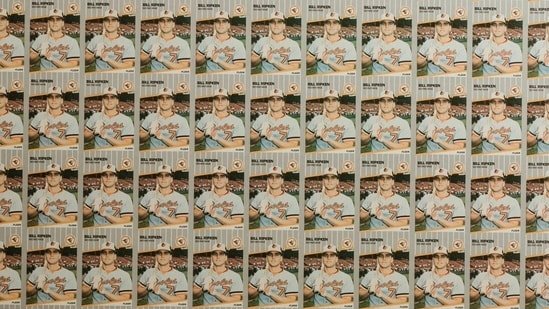
I thought baseball cards would make me rich. So did everyone who collected them in the 1980s and ’90s. I wheedled my mom into driving me to card shows and shops; I tracked the value of my stash in Beckett Baseball Card Monthly. But, as one of my favourite pieces we’ve ever published explains, it was a bubble. Like other enthusiasts, I boxed up my dreams and stuck them in the attic.The cards were on my mind as I wrote an article on the collectibles market, published in this week’s edition. I kept coming back to the why: what makes someone pay millions of dollars for a jersey that an athlete wore in a long-ago game, or a piece of cardboard with a Japanese cartoon character on it?Sure, some people buy such items for financial reasons, but I’d call that speculating, hedging or building a sensible portfolio, not collecting. Collecting starts with passion. Its real returns are emotional and social: the thrill of completing a set, the long conversations with other collectors that—trust me—eventually bore and/or annoy everyone else at the table.If I’d collected cards just to get rich, I’d have thrown them away long ago. But they’re still in my attic and I go up there to look through them every now and then. When I do, money never enters my mind. I think back to one of the last summers I spent with my grandparents in their cosy, onion-scented house near Chicago and of the box of red-wax-encased packs my grandfather bought me. I think about putting my newly acquired treasures in plastic wallets in my long-gone childhood room.Similarly, the best part of visiting the Dallas headquarters of Heritage Auctions, the leading seller of collectibles, had nothing to do with prices or bidding wars. It was meeting their experts: people who had loved stamps or film posters or coins since they were children, and built lives and careers from those passions.Cards gave me two of my closest friends: one I grew up with—we still occasionally send each other unopened packs of cards, almost 35 years since we lived in the same town—and the other an office-mate from my early 20s. We bonded over contests to name ever-more obscure players from our childhoods. I may confuse my kids’ names and lose my glasses umpteen times a week, but I can still tell Butch Wynegar from Steve Balboni at 100 paces.Thank you for reading Plot Twist. What do you collect and why? Let us know at plottwist@economist.com. Thanks to those that shared their thoughts on how to take a great photograph. Stefan Seider notes that, “As an amateur photographer, my typical half-joke is that one in a hundred pictures is usable and one in a thousand is good.”
