

Home remedies are deeply rooted in Indian households, often passed down as “quick fixes” for everyday health concerns. But while some of these practices are harmless, or even beneficial, others can pose serious health risks. Dr Arrjun Sankaran, a surgical oncologist based in Hyderabad, breaks down in his April 22 Instagram post which ones to avoid and which ones can actually support your health. (Also read: Cardiologist reveals ‘one habit’ that is quietly putting young hearts at risk, warns of early cardiovascular strain )
Here’s his simple safety rating of popular remedies:
1. Ghee in the eyes
“Ghee in the eyes. Extremely unsafe. That’s a 0 on 10. High risk of contamination and infections with staph aureus or Pseudomonas. Not to be done at all,” says Dr Sankaran. He warns that this practice can directly lead to serious eye infections and should be avoided completely.
2. Curd at night
“No curd at night. Again, it’s a 0 on 10. This myth is based on the misconception that having curd at night might cause more mucus or a cough. You can go ahead and have it at any point of time. The lactobacillus in curd is extremely healthy,” he explains. According to him, curd is nutritious and safe at any time of the day.
3. Aloe vera consumption
“What about aloe vera consumption? That’s a 2 on 10. The traditional remedy includes consuming the entire aloe vera leaf, but the dangerous compounds are aloein and latex. Commercial aloe vera drinks are comparatively safer,” he says. He adds that consuming the whole raw leaf should be avoided.
4. Castor oil
“What about using castor oil? It is a 3 on 10. If used occasionally, it is acceptable. But regular use is not healthy as it is a stimulant laxative and can cause electrolyte depletion and gut metabolic problems,” he explains.
5. Tulsi paani
“What about Tulsi Paani? It is a 7 on 10. It contains important antioxidant and anti-cancer fighting compounds,” says Dr Sankaran. He notes it can be a healthy addition when consumed in moderation.
6. Ginger-lemon water
“Adrak nimbu paani is a 7 on 10. Ginger contains gingerol, and lemon has ascorbic acid, both are powerful antioxidants,” he adds. This combination can support overall wellness.
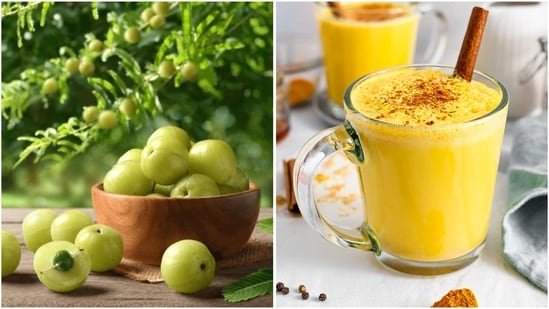
7. Turmeric milk
“Turmeric and milk are an 8 on 10. Curcumin is extremely healthy and acts as a potent anti-cancer agent,” he explains. A traditional remedy that also has scientific backing.
8. Raw tulsi leaves
“Raw tulsi leaves are an 8 on 10. Slightly better than tulsi water as it preserves volatile compounds,” says Dr Sankaran. He highlights its antioxidant properties.
9. Amla
“Amla, Indian gooseberry, is a 9 on 10. It has a huge amount of vitamin C and offers overall health benefits beyond just immunity,” he says. He calls it one of the most effective natural ingredients for wellness.
While some traditional remedies still hold value, others can be misleading or even harmful if misused. The key, doctor suggest, is understanding what actually benefits the body, and what doesn’t.
Note to readers: This article is for informational purposes only and not a substitute for professional medical advice. Always seek the advice of your doctor with any questions about a medical condition.
This report is based on user-generated content from social media. HT.com has not independently verified the claims and does not endorse them.
