

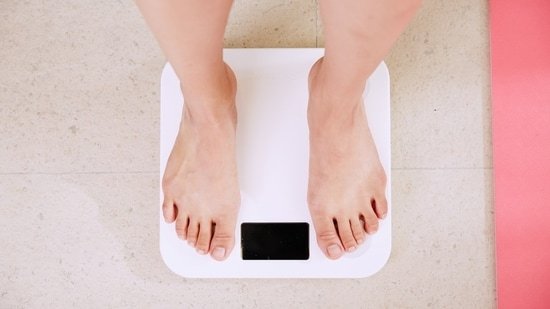
Had an extra dessert last night and woke up to see the scale creeping up? It’s easy to assume that one indulgence has undone all your progress – but that’s rarely the case. A slight increase in weight overnight can feel discouraging, especially when you’ve been consistent with your routine, but these short-term changes are often temporary and not a reflection of actual fat gain.
Also Read | Nutritionist shares the secret to boosting metabolism: ‘Forget green tea and cold plunges…’
Khushi Chhabra, a holistic health nutritionist and wellness content creator, is breaking down why eating more carbohydrates can sometimes reflect as weight gain on the scale. In an Instagram video shared on April 23, she explains why these day-to-day fluctuations are often misleading – and why focusing on long-term trends matters far more than short-term changes.
What happens when you eat carbs?
According to Khushi, noticing a slight increase on the scale after a carb-heavy meal is common – but it doesn’t mean you’ve gained fat. Instead, it’s largely due to water retention. She explains that when you consume more carbohydrates, your body stores them as glycogen, and each gram of glycogen is bound to water, leading to a temporary increase in weight.
The nutritionist highlights, “For every 100 g of carbs you eat, you will gain 400 g of water. So when you eat more carbs, the scale goes up. Not because you have gained fat, but because your body is storing more water now. When you enjoy a carb-heavy meal, your body naturally stores extra water to help process those glycogen stores.”
Why you shouldn’t take daily fluctuations to heart
Many people trying to lose weight feel discouraged when the scale suddenly fluctuates from day to day. However, Khushi explains that these shifts are often linked to carbohydrate intake rather than actual fat gain. Eating more carbs can lead to temporary water retention, while reducing carbs may cause a quick drop on the scale. But a rise in weight due to water doesn’t mean you need to skip meals or overcompensate with extra exercise – it’s a normal, short-term change, not a setback.
The nutritionist highlights, “Seeing the number go up overnight doesn’t mean you’ve ‘failed’ or gained fat, it’s just biology in motion. So you can lose or gain weight depending on the amount of carbs that you have eaten. But that doesn’t mean you have gained or lost fat. Which is why when you eat fewer carbs, you lose weight. So if you have gained a few kilos overnight, don’t start skipping meals or doing extra cardio just because the scale went up.”
Focus on long-term results
Khushi emphasises that constantly reacting to daily weight changes can trap people in a cycle of “yo-yo dieting,” where the focus shifts to short-term fluctuations rather than long-term progress. Instead, she recommends tracking your weight on a weekly basis, allowing for a more accurate view of trends, and prioritising consistency and sustainable fitness habits over quick fixes.
She explains, “Stop letting daily fluctuations dictate your mood because that is what keeps people stuck in yo-yo dieting, where they focus on short-term results more than long-term. So, start tracking your weight weekly, not daily. And remember, no single food or meal can make you gain weight. Consistency is the real secret to being truly healthy.”
Note to readers: This article is for informational purposes only and not a substitute for professional medical advice. It is based on user-generated content from social media. HT.com has not independently verified the claims and does not endorse them.
