

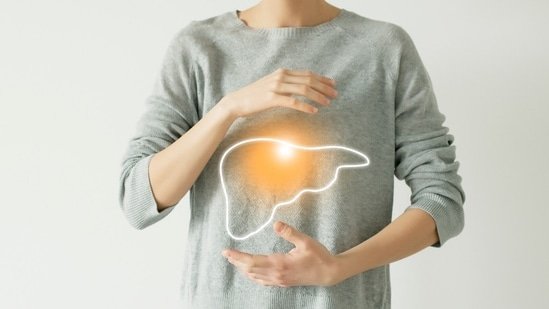
The liver is one of the only internal organs that can repair itself, regenerating after damage. But to what extent can it actually recover, and what determines how far that repair goes?
To get an understanding of how the liver heals itself and what damage is reversible and what is not, HT Lifestyle in a conversation with Dr Vinay Kumar BR, consultant hepatologist at Gleneagles BGS Hospital, Kengeri, Bengaluru.
While he did acknowledge that the liver’s ability to heal itself is ‘surprising,’ he also clarified that it does not mean every kind of damage simply disappears with time. So what determines how much it can recover? “How much it can recover depends on two things: what caused the damage, and how early it’s picked up,” he answered.
Liver diseases and their recovery based on severity
Let’s take a look at all the major liver diseases and to what extent they can be ‘reversed’ by the liver repairing itself internally.
1. Fatty liver ( possible at early stage)
Fatty liver is one of the most common, and it can occur from a sedentary lifestyle. This is usually seen in younger people. When fat collects in the liver cells because of a poor diet, weight gain or long hours of inactivity, fatty liver develops!
But the hepatologist assured that when detected at an early stage, the liver damage is not permanent yet. “If eating habits improve, weight is brought under control, and daily activity increases, the liver can slowly clear that fat. It’s not an overnight change, but it does happen when routines stay consistent,” he explained, outlining what the road to recovery entails.
2. Alcohol-related changes (possible at early stage)
Excess alcohol consumption adversely affects the liver. But there’s still hope if you stop drinking alcohol. “When alcohol is reduced or stopped early enough, the liver often begins to recover,” Dr Vinay noted.
What are the initial effects once you stop drinking? “The initial effects, fat buildup and mild inflammation, can settle once the constant strain is removed. But this phase doesn’t last forever,” the hepatologist answered. This means the liver has not yet sustain permanant damage, but time is essential- the earlier you quit, the better it is. The damage can be reversed. But the more you delay quitting drinking, more you narrow the window of recovery.
3. Liver inflammation (possible at early stage)
The third type of liver disease originates from inflammation- can also be called liver inflammation or hepatitis. Usually, it happens because of infections, alcohol, or metabolic issues. But is it reversible? This is a bit nuanced.
The hepatologist answered, “If the underlying cause is picked up early and handled properly, the liver can recover to a good extent. But if the inflammation keeps coming back or isn’t treated, it slowly starts leading to scarring.” It depicts the importance of early screening and diagnosis for active medical intervention, before permanent scarring.
4. Fibrosis (very slow recovery)
Now we are at the acute liver diseases, which mark the beginning of scarring. The hepatologist revealed that the scarring is the liver’s way to respond to repeated liver damage by laying down scar tissue. Here, he explained that in this case, the liver is no longer just inflamed; it structurally begins to change. While reversal is still possible, it is a bit complex. “The process is slower, and the liver doesn’t fully return to its original state in many cases,” the hepatologist disclosed that recovery is much slower.
5. Cirrhosis (not possible)
This stage draws serious concern because, as per the doctor, it is when the liver develops significant scarring, ‘enough to change how it looks and works.’ By this point, most of the damage cannot be reversed. “Treatment is aimed at slowing things down and managing complications, not reversing the condition,” he elaborated. Liver transplant then becomes one of the options during advanced cases.
Why are liver diseases challenging?
The liver does have a remarkable capacity to repair itself, but alongside this, it often remains silent. The hepatologist observed that in the early stages, there are no major signs or symptoms, apart from mild tiredness or vague discomfort, which many people tend to ignore. By the time symptoms become visible, the disease has often already progressed.
How can you help your liver repair itself?
Now, let’s talk about recovery. While the liver can repair itself, it also needs to be free from ongoing stress. The hepatologist advised cutting down or avoiding alcohol, maintaining a healthy weight, managing blood sugar and cholesterol levels, eating simple, balanced meals, and being cautious with unnecessary medications or supplements. This means when you give your liver a low-stress environment by following a good lifestyle, it can make a very big difference between a full recovery as the liver successfully repairs itself or long-term disease complications and management- the ball is in your court.
Note to readers: This article is for informational purposes only and not a substitute for professional medical advice. Always seek the advice of your doctor with any questions about a medical condition.
