

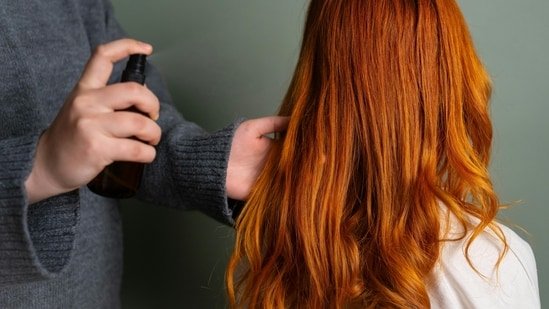
Hair colouring has evolved from a beauty choice to a regular grooming habit, but not all colours are created equal. Many conventional dyes rely on harsh chemicals like hydrogen peroxide (HPO), PPD, and ammonia that can silently damage your hair and scalp over time. In a conversation with HT Lifestyle, Dr Harinder Arya, director and chief scientist, Sadaway Pvt. Ltd., shared signs your current hair colour may be doing more harm than good.
Also read | Stop damaging your hair: 6 dermatologist-approved ingredients you must look for in an organic colour
1. Persistent dryness and rough texture
Dr Arya highlighted that hair starts feeling coarse and straw-like due to repeated moisture loss. This often indicates the cuticle has been compromised due to constant hair colouring.
2. Increased hair fall after colouring
“Chemical stress can weaken the roots, leading to noticeable shedding post-application. Over time, this may affect overall hair density,” said Dr Arya.
3. Itchy, irritated or sensitive scalp
Discomfort, itching or redness can signal that harsh ingredients are disturbing scalp health. This is often an early warning sign of imbalance.
4. Noticeable thinning or breakage
Hair strands lose strength and begin to snap easily. Continued exposure to colours can lead to visibly thinner hair over time.
5. Loss of natural shine and softness
Damaged cuticles prevent light reflection, making hair look dull and lifeless. The softness also gradually diminishes.
6. Split ends are appearing more frequently
Structural damage weakens the hair shaft, leading to frayed and split ends. This can make hair look unhealthy and unkempt.
7.Uneven or patchy colour results
Poor formulations may not deposit colour evenly, leaving inconsistent tones. This affects both the appearance and longevity of the colour.
8. Burning or tingling sensation during application
A strong stinging feeling indicates aggressive chemical activity. This can harm both scalp and hair if ignored.
9. Increasing greys despite regular colouring
Frequent chemical exposure may interfere with natural melanin balance. As a result, grey can reappear sooner than expected. These signs often indicate the presence of high-alkaline ingredients such as ammonia, hydrogen peroxide (HPO) and PPD, chemicals known to interfere with the hair’s natural structure and disrupt overall scalp balance.
Dr Arya said, “As awareness around ingredients continues to grow, many consumers are gradually moving towards gentler, more considered alternatives that prioritise hair and scalp health over quick results. Formulations that are low in alkalinity and free from harsh oxidising agents are increasingly being preferred for their ability to minimise long-term damage.”
“Choosing the right hair colour today is no longer just about achieving the desired shade, it is equally about maintaining the health, strength and integrity of your hair over time,” added Dr Arya.
Note to readers: This article is for informational purposes only and not a substitute for professional medical advice. Always seek the advice of your doctor with any questions about a medical condition.
