

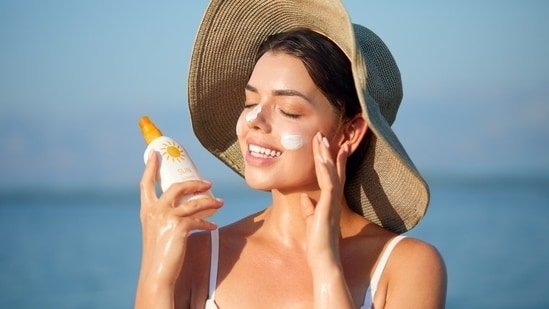
cThe rule of applying sunscreen is set in stone. There’s no compromise, and seeking any elbow room is a sure shot deal-breaker for your skin’s health. So, you faithfully apply sunscreen to protect your skin barrier from the sun’s harmful UV rays.
But you still observe signs of tanning, like a prominent darkening of your skin tone, causing a striking mismatch with the skin areas that stay covered. Naturally, it draws concerns. After all, it is a common assumption that sunscreen also protects against tanning. Some sunscreen products literally promise that, on their packaging and even in their ads. But how much truth is there to this? Is there an oversight on your part, or are we collectively overestimating sunscreen’s capacity?
In an interview with HT Lifestyle, Dr Shweta Rana, senior consultant dermatologist at V6 clinics, explained why tanning may occur despite sunscreen application.
Why do you get tanned despite sunscreen?
The dermatologist asserted that the reality is much more nuanced and involves a combination of various factors. Here are some of the factors that influence tanning:
1. Sunscreen does not block 100 per cent of UV rays
Sunscreen is seen as a saviour, but it does not offer complete and absolute protection. This makes you see sunscreen more realistically and not a superhero-maker concoction.
“Sunscreen doesn’t block 100 percent of UV rays. Most sunscreens protect primarily against UVB rays (which cause sunburn), but UVA rays, responsible for tanning and deeper skin damage, can still penetrate if the formulation isn’t broad-spectrum. Even broad-spectrum sunscreens typically filter, not completely block, these rays.” Dr Rana said.
It implies that some form of exposure will happen anyway, highlighting the need to stop solely relying on sunscreen for complete tan prevention. You will be holding onto unrealistic expectations. Along with broad-spectrum formulas, you can also carry items that provide you with shade, like a scarf or an umbrella, if you are hoping for absolute tan prevention.
2. Insufficient application
The quantity determines the level of protection. Don’t be stingy with the amount. You may think using less sunscreen will help it last longer (and keep your pockets light), but the tanning and sun damage that follow will surely weigh your wallet down, making the whole effort counterproductive.
Apply as much as is medically recommended. The dermat advised a teaspoon for the face and a shot-glass amount for the body. One of the reasons is insufficient application. “Most people apply far less sunscreen than required. Applying too little significantly reduces its effectiveness,” Dr Rana warned.
3. Infrequent reapplication
Unlike the other steps in your skincare, sunscreen is definitely not a one-and-done step. Dr Rana told us that sunscreen has a tendency to wear off when you are outdoors because of sweat, water exposure, and natural skin oils. How often should you reapply then? She suggested, “If you’re outdoors, it should be reapplied every two to three hours.” It is a common mistake.
4. Inappropriate timing
Yes, every last detail in your sunscreen application step matters in determining how efficient the protective shield will be later in the day. Another common mistake that many make is with timing. But it is really simple, and does not require any Nolan Inception-level time calculation.
“Applying sunscreen right before stepping out doesn’t give it enough time to form an effective barrier,” the dermatologist explained, advising instead that it can be applied 15-20 minutes before sun exposure. This means you need to wait, be patient and let the sunscreen sink into the skin, instead of abruptly rushing through the process at the last minute.
5. Prolonged sun exposure
Sunscreen sure does a lot of work for you, but it is unfair to expect it to have supernatural powers and protect your skin all day without fail. The dermatologist pointed out that the duration of sun exposure is equally important. Spending extended time in very strong sunlight can increase UV exposure and ‘overwhelm’ even high-SPF sunscreen. Dr Rana identified the hours between 10 AM and 4 PM as a time when sunlight is at its most intense during summer months.
How to prevent tanning?
Here are some of the efficient dermat-approved tips to prevent tanning this summer:
1. Start by choosing a broad-spectrum sunscreen
- Go for at least SPF 30 or higher.
- Look for formulations that specifically mention protection against both UVA and UVB rays.
2. Be generous with the application
- Cover all exposed areas, including often-missed spots like the ears, neck, and hands.
- Don’t forget to reapply regularly, especially if you’re sweating or swimming.
3. Layering protection is important
- Use physical barriers like hats, sunglasses, and umbrellas.
- Wearing full-sleeve clothing made from tightly woven fabrics can significantly reduce sun exposure.
4. Try to limit direct sun exposure during peak hours.
- If stepping out is unavoidable, seek shade whenever possible.
4. Consider incorporating antioxidants in skincare routine
- Add antioxidants like vitamin C.
- Can help combat free radical damage caused by UV exposure.
In the end, the doctor shared an important piece of advice: “Sunscreen is essential, but it works best when combined with the right habits,” which implies that sun protection is a multi-layered approach, not just with sunscreen.
Note to readers: This article is for informational purposes only and not a substitute for professional medical advice. Always seek the advice of your doctor with any questions about a medical condition.
