

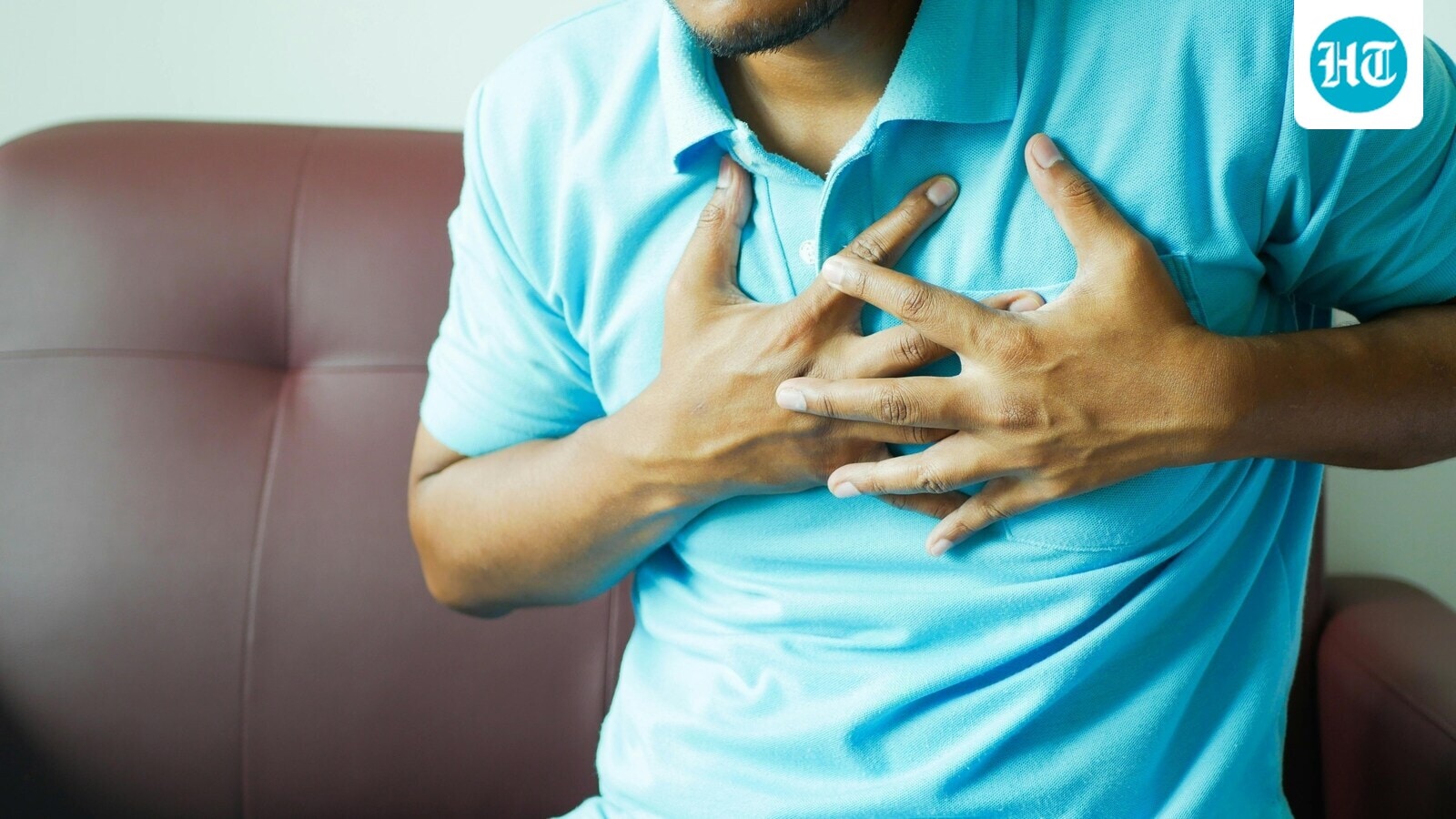
Heart attacks often appear to happen suddenly, but the process builds up silently over the years through common habits. By identifying these and rectifying them, heart attack risks can be reduced. Dr Vass, a ‘longevity doctor and MD trained at Cornell, shared in a September 28 Instagram post on how to reduce heart attack risks with the help of some easy habits.
He said, “Most heart attacks don’t happen out of nowhere. They build slowly through habits that you didn’t even know were hurting you.” While it may seem a heart attack may arrive without any warning, actually, it’s a result of harmful habits’ effects, piling up over the years.
He suggested these habits that reduce the risks:
1. Walk after every meal
Dr Vass shared, “Even walking for just 10 minutes after a meal can help lower that postprandial blood sugar spike, which can significantly reduce inflammation, which is a major risk factor for plaque buildup in arteries.”
In other words, a post-meal walk has more benefits than just improving digestion. It regulates two major risks of heart attacks: managing blood sugar spikes and keeping inflammation down, which in turn reduces the risk of arterial plaque.
2. Prioritise omega-3 intake
The second recommendation is to increase omega-3 intake. He shared the sources and the benefits, “Wild-caught fish like salmon or high-quality omega-3 supplements can help to lower triglyceride levels, lower intravascular inflammation and reduce arterial stiffness.”
3. Sleep well
Often, sleep is not taken seriously, but Dr Vass emphasised that life depends on it. He said, “Sleeping less than six hours a night can increase heart attack risks by up to 200 hundred per cent. Prioritise your sleep, aim for consistency and eight quality hours a night.” Skimping on sleep for extra hours of doomscrolling will only hurt your heart.
4. Swap plastic
Plastics are harmful to the heart, as Dr Vass highlighted; they leak chemicals that can be major hormone disruptors and, in turn, trigger inflammation. He instead suggested, “Store food and glass, filter your water and never heat anything in plastic.”
5. Right tests
A standard cholesterol check won’t tell the full story. Instead, he recommended protein B, lipoprotein little A, homocysteine and high sensitivity CRP. Knowing these numbers helps you take action early on, even before any symptoms show up.
Note to readers: This article is for informational purposes only and not a substitute for professional medical advice. Always seek the advice of your doctor with any questions about a medical condition.
