

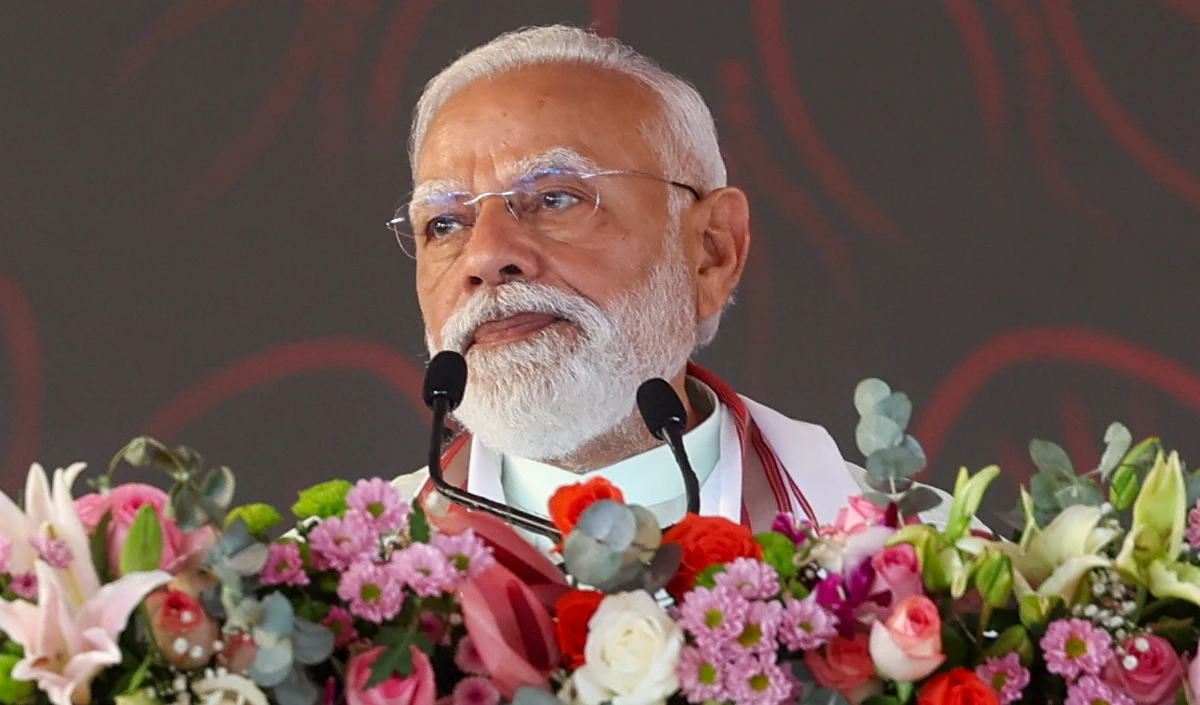
प्रधानमंत्री नरेंद्र मोदी ने रविवार को तमिलनाडु की सत्तारूढ़ डीएमके सरकार पर तीखा हमला बोलते हुए कहा कि सत्ता में वापसी का पार्टी का सपना “दुःस्वप्न” में बदल जाएगा और एनडीए राज्य में सरकार बनाएगा। एआईएडीएमके-भाजपा गठबंधन की जीत पर विश्वास जताते हुए पीएम मोदी ने आगामी विधानसभा चुनावों को राज्य के लिए महत्वपूर्ण मोड़ बताया। मदुरै में एक जनसभा को संबोधित करते हुए उन्होंने डीएमके पर भ्रष्टाचार और शहर में खराब अपशिष्ट प्रबंधन का आरोप लगाया, जिसके कारण स्वच्छता के मामले में मदुरै की राष्ट्रीय रैंकिंग काफी नीचे है।
इसे भी पढ़ें: ‘Tamil Nadu के विकास का गौरवशाली अध्याय’, Madurai में PM Modi ने दी 4400 करोड़ की सौगात
पीएम मोदी ने कहा कि कुछ लोग तमिलनाडु में सत्ता में वापसी का सपना देख रहे हैं, लेकिन एनडीए की इस विशाल रैली को देखकर उनके सपने दुःस्वप्न में बदल जाएंगे। यह चुनाव तमिलनाडु का निर्णायक मोड़ है। लोगों ने अपना मन बना लिया है; लोगों ने तय कर लिया है कि डीएमके को सत्ता से बाहर करना है। वे यह भी अच्छी तरह जानते हैं कि केवल एनडीए ही बदलाव ला सकता है। तमिलनाडु की अगली सरकार एनडीए की होगी।
उन्होंने आगे कहा कि 2021 में, 25 लंबे वर्षों के बाद, डीएमके को अपने दम पर पूर्ण बहुमत मिला, लेकिन उन्होंने सुशासन नहीं दिया। उन्होंने राज्य को लूटा और वंशवादी राजनीति को बढ़ावा दिया। मदुरै एमजीआर के साथ खड़ा रहा, जो इस शहर से बेहद प्यार करते थे। यही कारण है कि डीएमके ने कभी मदुरै को पसंद नहीं किया और मदुरै में माफिया जैसी राजनीति लाई। वे खराब जल निकासी और अपशिष्ट प्रबंधन की कमी लेकर आए। उन्होंने मदुरै को स्वच्छता में राष्ट्रीय रैंकिंग में सबसे नीचे पहुंचा दिया, और भ्रष्टाचार के कारण महापौर को इस्तीफा देना पड़ा।
प्रधानमंत्री मोदी ने आज सुबह अरुलमिगु सुब्रमण्य स्वामी मंदिर में पूजा-अर्चना की और बताया कि उन्होंने कार्तिकई दीपम विवाद को लेकर आत्मदाह करने वाले भक्त पूर्णचंद्रन के परिवार से मुलाकात की। मद्रास उच्च न्यायालय के उस फैसले का विरोध करने के लिए डीएमके की आलोचना करते हुए, जिसमें भक्तों को तिरुपरनकुंड्रम पहाड़ी की चोटी पर स्थित दीपा थून पर औपचारिक दीपक जलाने की अनुमति दी गई थी, प्रधानमंत्री ने कहा कि “सत्य और भगवान मुरुगन की जीत होगी।”
