

Elevated cholesterol levels are a major health concern, as they increase the risk of serious medical emergencies. The Heart Foundation warned that when cholesterol remains high for a prolonged period, it can lead to a heart attack or stroke. LDL (bad) cholesterol is particularly harmful, as it contributes to plaque formation on the artery walls, narrowing blood vessels and affecting blood flow.
In such cases, especially when you are afflicted with high cholesterol, making healthy dietary choices becomes crucial. This means you needto actively start adding heart-healthy foods to your diet to lower LDL levels, prevent plaque buildup, support better blood vessel functions and lead to better heart health. A study published in May 2021 reaffirmed that a good diet positively benefits heart health. The nutrient profile of several foods which are rich in soluble fibre, healthy fats, and antioxidants plays a direct role in reducing cholesterol levels.
New Jersey-based endocrinologist Dr Alessia Roehnelt endocrinologist in a February 23 Instagram post, shared the best foods to lower cholesterol.
1. Coffee/ tea
The staple warm beverages you cannot do without may actually help lower your cholesterol. “Coffee or green tea can help lower the LDL or the bad cholesterol; they can also help to improve fat oxidation, metabolic rate, and vascular function,” she noted. Even though green tea gets a clean chit, coffee consumption is a double-edged sword. A study published in 2025 can have both positive and negative effects on cholesterol levels. While it may raise total and bad cholesterol, the impact on good cholesterol and triglycerides varies by gender and the amount consumed. As per the findings, good cholesterol increased as coffee intake rose, but only up to about 2.6 cups per day. After that point, it started to decrease. It shows that moderate intake is the best. Similarly, for men too, the triglyceride levels presented a similar pattern, increasing with coffee intake up to around 3 cups per day and then declining with higher consumption.
2. Extra virgin olive oil
Time and again, many studies have identified the Mediterranean diet as highly beneficial for heart health. The American Heart Association states that the Mediterranean diet contains all the essentials of an ideal heart-healthy diet. Olive oil is predominantly present in this type of diet.
The endocrinologist also spotlighted the value of this oil, “Olive oil can help to reduce LDL and reduce LDL oxidation, which is a key factor for plaque formation. So whether you are drizzling it over a salad or just having a spoonful, this is helping to improve your lipid quality as well as protecting the artery walls.”
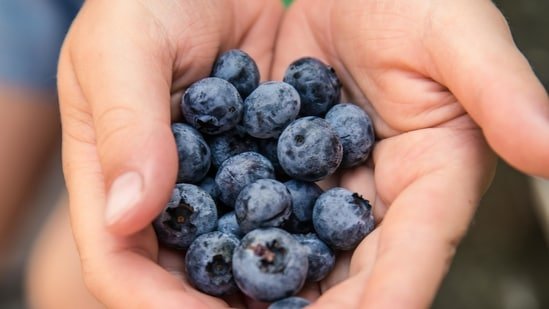
3. Berries
Berries are nutritional powerhouses, and for good reasons, berries are on this list. Dr Roehnelt revealed that berries are high in anthocyanins, which reduce oxidative stress, which in turn helps prevent LDL or bad cholesterol from becoming oxidised and promoting inflammation, and another benefit is that they improve insulin sensitivity. An older 2016 study found that berries consumption significantly reduced the levels of LDL cholesterol, SBP, fasting glucose, HbA1c, BMI and TNF-α.
4. Nuts
There is a compound in nuts that helps in supporting heart health. The endocrinologist described, “Nuts contain plant sterols, which reduce cholesterol absorption in the gut, and they are a great source of healthy fats and fibre.”
A study from Loma Linda University Health researchers found that those who eat nuts like almonds, walnuts, and cashews have a significantly lower risk of death from cardiovascular disease compared with those who rarely or never eat them.
5. Green leafy veggies
The penultimate recommendation from the doctor is a no-brainer: green leafy veggies, because of their nitrate content, which helps to improve nitric oxide prodcution therefore blood vessel function. Green leafy veggies include spinach, kale, lettuce, cabbage and more. A 2025 study found that green leafy vegetables reduce cardiovascular disease risks because they contain minerals, vitamins, and phytochemicals.
6. Legume
The last recommendation is legume which include beans, lentils or chickpeas. The doctor suggested them because they contain high soluble fibre and they have a major role. “Those bind to cholesterol and help to lower LDL. Another bonus, they are fantastic for feeding your gut microbiome the good stuff,” she added. A 2021 study found that frequent legume intake was shown to reduce serum total cholesterol.
Note to readers: This report is based on user-generated content from social media. HT.com has not independently verified the claims and does not endorse them. This article is for informational purposes only and not a substitute for professional medical advice.
