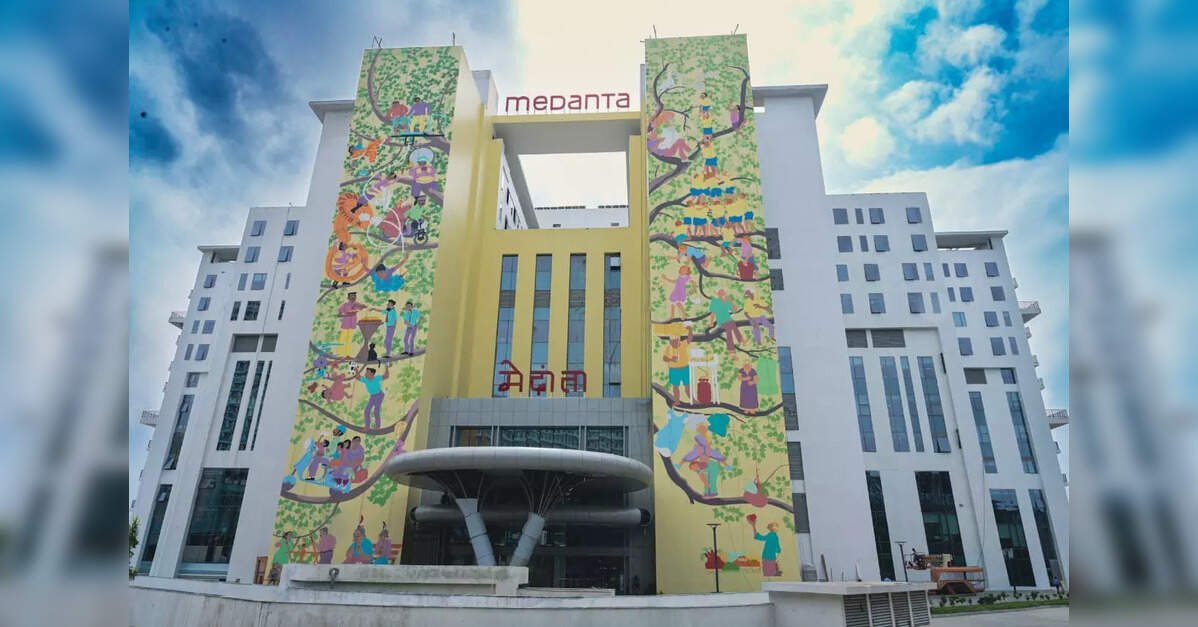
New Delhi: Medanta-The Medicity, Noida has successfully performed its first three Transcatheter Aortic Valve Implantation (TAVI) procedures, marking the formal launch of its Structural Heart Interventional Cardiology Programme and strengthening access to minimally invasive cardiac care in the Delhi-NCR region.
The three patients men in their early sixties were diagnosed with severe symptomatic aortic stenosis, a progressive and potentially life-threatening valve disease that can significantly impair quality of life if left untreated. After detailed clinical evaluation, the heart team determined TAVI to be the most suitable treatment option given the patients’ medical profiles.
The procedures were carried out by the structural heart team led by Dr Parneesh Arora, Dr Amit Malik, and Dr Ranjan Mody, with support from Dr Vineet Bhatia, Dr Waseem Farooqi, and Dr. Aakash Vijay. The hospital said the successful outcomes reflect coordinated multidisciplinary planning and procedural readiness for complex structural heart interventions.
Aortic stenosis is particularly common among elderly patients and, if untreated, may lead to heart failure, syncope, and reduced survival. While surgical valve replacement has traditionally been the standard treatment, many patients are considered high-risk for open-heart surgery. TAVI offers a catheter-based alternative, typically performed through a small incision in the groin, eliminating the need for sternotomy and enabling faster recovery.
All three cases underwent extensive pre-procedural assessment by a dedicated Heart Team comprising interventional cardiologists, imaging specialists, cardiac anaesthetists, surgeons, and trained nursing staff. The interventions were completed smoothly, with patients showing strong clinical improvement during recovery, according to the hospital.
The launch of TAVI services is expected to expand access to advanced valve therapies for patients across Delhi-NCR, including Noida, Greater Noida, Ghaziabad, and parts of western Uttar Pradesh, potentially reducing treatment delays and improving outcomes.
Hospital officials described the first three TAVI procedures as a foundational step toward building a scalable structural heart programme, underscoring a broader push to deliver technology-led, patient-centric cardiovascular treatment in the region.