

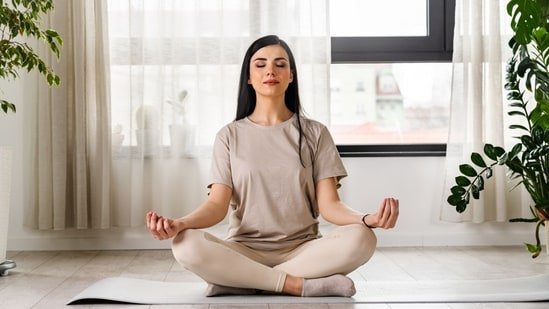
Incorporating healthy habits into your lifestyle that support heart health is essential. The thing about lifestyle habits is that they may not seem significant on their own, but over time, their effects add up and can have a powerful impact.
ALSO READ: Are you at risk of heart disease? Study reveals eating these foods could reduce your risk of irregular heartbeat
Yoga is one such practice that deserves a place in your daily routine, and for good reasons. Lifestyle habits are usually associated with big picture impacts, but for yoga, the effects can be felt in real time as well.
A study published in the European Journal of Cardiovascular Medicine in January 2025 revealed that a single 30-minute yoga session significantly reduces resting heart rate and blood pressure in healthy adults when compared to passive adults.
Why not make yoga sessions even more productive? While yoga in itself stands out for its positive effects, many of which can be felt almost immediately, including improved circulation and better breathing patterns, choosing the right poses can further enhance the value of each session.
To get clarity on which yoga asanas one can do, we reached out to Divya Rolla, Yoga expert at Cult.
“As a yoga teacher and practitioner who has watched thousands of bodies breathe, strain, soften, and transform, Yoga is not the opposite of cardiovascular training. It is its intelligent partner,” she reminded.
It shows that yoga can complement cardiovascular workouts. They work well together.
“Through precise alignment, intelligent sequencing, and mindful breathing, we improve circulation, regulate blood pressure, and strengthen the cardiovascular system without strain. The heart thrives not only on movement, but on balance, between effort and ease,” Divya elaborated.
The yoga expert shared these asanas, as well as why they help you and how to do them:
1. Tadasana (Mountain Pose)
Why:
- Reduces blood pressure, improves circulation, and deeply restores the heart.
How to practice:
- Sit sideways near a wall.
- Swing legs up as you lie back.
- Arms relaxed by your sides.
- Stay for 3–5 minutes.
Note to readers: This article is for informational purposes only and not a substitute for professional medical advice. Always seek the advice of your doctor with any questions about a medical condition.
