

International Childhood Cancer Day 2026: February 15 is observed as International Childhood Cancer Day to raise awareness about childhood cancers and the importance of early detection. Cancer is not only seen in later stages of life, but it can also happen to children. Timely recognition is critical here, followed by early diagnosis and prompt medical intervention. This way, treatment outcome will be better, increasing survival rates too.
First, parents need to identify potential red-flag signs among common, everyday symptoms. Children often fall sick and get bruised while playing. But parents need to know when certain ailments may not be normal and require active medical intervention.
To understand more about the early signs of childhood cancer, HT Lifestyle spoke to Dr Sandeep Bartakke, a consultant pediatric hemato-oncologist at Surya Mother and Child Super Speciality Hospital, Pune. He drew attention to the regular, ordinary complaints, which can also mean something serious
Reflecting on the landscape of childhood cancer, he shared, “In India, nearly 50,000 children are diagnosed with cancer every year. Leukaemia is the most common, followed by lymphoma and CNS (Central Nervous System) tumours.”
However, survival outcomes in India remain a cause for concern. Compared to global benchmarks, childhood cancer survival rates are significantly lower, a gap which the oncologist attributed to delayed diagnosis and limited access to timely treatment.
“While about 70% of these children recover, this is lower than the 90% survival rate seen in Western countries 2,” Dr Bartakke noted.
How is childhood cancer different from adult cancer?
Childhood cancer is biologically and clinically distinct from adult cancer. Understanding these differences helps explain how the disease develops, how it is detected, and how it can be treated. The origin of the disease also differs, as the oncologist explained. Unlike adult cancers, which frequently arise in organs and are linked to long-term exposure to multiple risk factors such as smoking, obesity, or environmental pollutants that accumulate over time, childhood cancers typically develop in growing tissues.
“Childhood cancers develop in tissues including blood, the lymphatic system, the central nervous system, muscles, and bones,” he said.
Unlike adult cancer, which predominantly has its roots in lifestyle-related triggers, childhood cancer is largley driven by genetic changes.
The oncologist noted,“Childhood cancer arises from random genetic mutations that occur spontaneously. While most childhood cancers develop randomly, roughly 5%-10% stem from genetic factors that can be inherited”
The main challenge with childhood cancer, according to Dr Bartakke, is that since it is not linked to lifestyle and is difficult to prevent, it is relatively uncommon and has no routine screening tests for most children. So here, the early detection depends on parents and caregivers recognising when everyday symptoms stop seeming normal and begin to warrant medical attention.
Symptoms parents should know
Dr Sandeep Bartakke urged parents not to panic, but to approach the situation logically. He advised that if any symptoms persist for a long time, or if a common ailment does not resolve with standard rest or medication. It is best to consult a doctor. Being aware of warning signs helps parents take timely action instead of unnecessary worry.
Here are some of the symptoms:
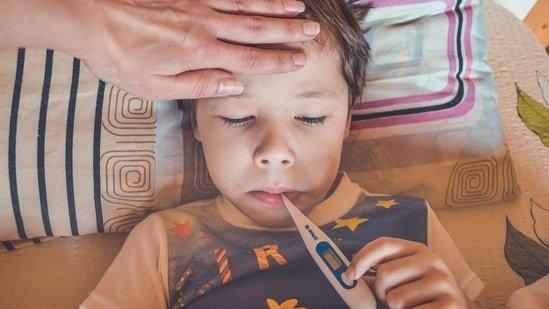
- Persistent or unexplained fever
- Sudden weight loss
3. Ongoing fatigue or paleness
4. Frequent infections
5. Easy bruising or bleeding and night sweats
6. Painless lumps or swelling in the neck, abdomen, groin, or underarms
7. Bone or joint pain that persists without injury, especially with swelling
8. Morning headaches with vomiting
9. Changes in balance
10. White glow in the pupil, eye redness and swelling may signal retinoblastoma
The oncologist assured that many of these signs have causes other than cancer, so there is no need to panic. He added that even if something serious is detected, childhood cancers respond best when treated early, ideally at specialised paediatric cancer centres that manage children aged 0–14, and in some cases up to 18 years.
Note to readers: This article is for informational purposes only and not a substitute for professional medical advice. Always seek the advice of your doctor with any questions about a medical condition.
