

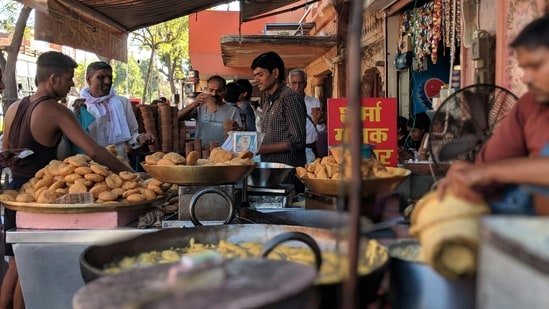
From pani puri to momos and chaat, street food is a guilty pleasure many of us can’t resist. But behind the irresistible flavours and quick bites may lurk invisible health risks. In a February 10 YouTube podcast with Ranveer Allahbadia, Dr Shubham Vatsya, Senior Consultant in the Department of Gastroenterology at Fortis Hospital, Vasant Kunj, shared an important warning about the hidden dangers of unhygienic food practices and how they can seriously impact gut health. (Also read: Chennai doctor drops from 92 kg to 78 kg, reveals why she chose GLP-1 after 8 months of frustrating weight loss plateau )
How unsafe is your favourite street food
During a podcast discussion, Ranveer raised an important point about food safety. “If a pani puri vendor goes to the toilet and doesn’t wash their hands properly, tiny traces of faecal matter can remain under the nails. When they dip the puris into the water and serve it, the entire batch of water gets contaminated. And when you consume that water, it goes straight into your stomach,” he said, underlining how easily infections can spread through poor hygiene practices.
Weighing in on the issue, Dr Vatsya explained the medical risks associated with such contamination. “This can lead to viral hepatitis, particularly Hepatitis A and Hepatitis E. These are food- and water-borne infections that spread through contaminated food and drinks. In some cases, especially in vulnerable individuals, they can even result in acute liver failure,” he warned.
What precautions should you take while eating out
In a 2024 interview with HT Lifestyle, Dr Rekha Sharma, consultant physician at Ruby Hall Clinic, said, “Indian street food is a vibrant reflection of the country’s rich cultural diversity. Being an Indian, it’s difficult to resist street food. However, with all indulgences, there’s a risk of health issues if not prepared or handled properly.”
She explained that popular favourites like pani puri, vada pav, samosa, kebabs and chaats can become breeding grounds for bacteria when made with untreated water, stored at unsafe temperatures or handled unhygienically, increasing the risk of infections such as E.coli, salmonella and even hepatitis A.
Adding to this, Dr Tamorish Kole, director, emergency medicine at DPU Super Speciality Hospital, stressed the importance of precautions. He advised consumers to choose hygienic vendors, wash hands before eating and observe food handling practices, while urging vendors to maintain sanitation, use clean water, avoid selling pre-cut fruits and ensure meat is thoroughly cooked to prevent food-borne illnesses.
Note to readers: This article is for informational purposes only and not a substitute for professional medical advice. Always seek the advice of your doctor with any questions about a medical condition.
This report is based on user-generated content from social media. HT.com has not independently verified the claims and does not endorse them.
