

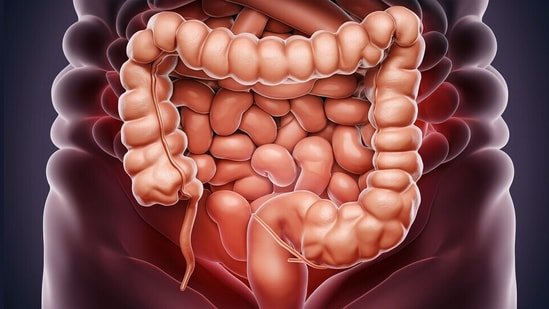
Colon cancer is an abnormal growth of cells in the colon, the first and longest part of the large intestine. According to the Mayo Clinic website, it is more common in older adults but can happen at any age.
The disease usually begins with the formation of a small clump of cells called polyps inside the colon. While not all polyps are cancerous, some can turn malignant over time. In case it does, available treatments to control the disease include surgery, radiation therapy and medicines.
Also Read | Did you know what the best age to get the HPV vaccine is? Oxford-trained embryologist explains
It is also possible to screen for polyps and remove them to help prevent cancer in the first place. However, since polyps do not usually cause symptoms, screening should be done at regular intervals.
Taking to Instagram on February 13, Dr Joseph Salhab, a gastroenterologist and health content creator from Florida, specialising in digestion, liver, pancreas and nutrition, highlighted five signs that individuals would do well to recognise to help detect colon cancer early.
The doctor noted that the disease is on the rise, especially among young adults, making it extremely important to know the early warning signs. They are listed as follows:
1. Persistent abdominal pain
Persistent abdominal pain for days, especially if it originates in the same spot, can be a sign of colon cancer, shared Dr Salhab.
2. Unintentional weight loss
If an individual loses weight without meaning to, it can be a sign of colon cancer as the weight loss can be attributed to the metabolic activity of the cancerous cells.
3. Unexplained fatigue
Colon cancer can also make itself known through unexplained fatigue and tiredness. This is because “colon cancer can bleed,” noted Dr Salhab, which can drain blood levels and make a person feel weak and tired.
4. Rectal bleeding
“If you see blood in your stool, you should never assume it is haemorrhoids and always mention it to your doctor,” cautioned Dr Salhab. “And this means always looking in the toilet before you flush.”
5. Persistent change in bowel habit
Colon cancer can change bowel habits. This means that an individual can either become more constipated than normal or experience more diarrhoea. This change is persistent and lasts for weeks.
Dr Salhab explained the condition, saying, “A large colon cancer that’s blocking stool can cause you to become more constipated. And there are certain colon cancers that can cause diarrhoea either by the hormones they secrete or by only allowing liquid stool to pass by it.
Note to readers: This article is for informational purposes only and not a substitute for professional medical advice. Always seek the advice of your doctor with any questions about a medical condition.
This report is based on user-generated content from social media. HT.com has not independently verified the claims and does not endorse them.
