

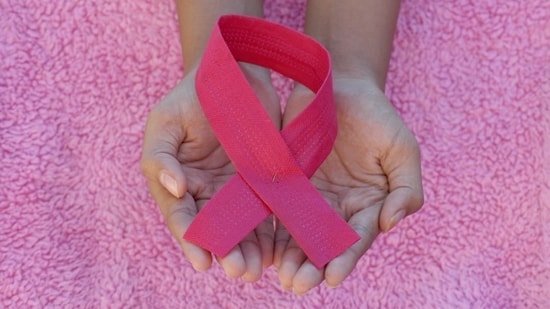
World Cancer Day 2026: February 4 is the annual observance day. It is a global initiative that encourages conversations about cancer prevention, screening, and treatment. The theme for 2025-2027 is United by Unique, which recognises that every diagnosis is unique, embracing a people-centric, humane approach.
Since many forms of cancer have subtle, silent symptoms, attention usually shifts to risk factors. However, there is a fine line between awareness and misinformation. When every product, from everyday foods to dental care, makes headlines for being ‘carcinogenic,’ anxiety soars, creating a debilitating and overwhelming fear that nearly everything causes cancer. In reality, there is more to this story, and it is far more nuanced than to be boxed in black and white. This pervasive fear can also be paralysing, holding people back, stuck in intense fear and allowing misinformation to take root and spread.
It becomes critical to debunk the fears around cancer, and this begins by taking a closer look at the cancer-causing elements. HT Lifestyle reached out to Dr Aman Rastogi, consultant- surgical oncology at Max Hospital – Shalimar Bagh, Delhi. He addressed common everyday foods, ingredients and consumer products which are regularly labelled as ‘carcinogenic.’ He reminded that such claims often do not have a proper scientific basis.
What is carcinogenic?
The word ‘carcinogenic’ is often loosely thrown around. The oncologist disclosed that many actually don’t know the meaning correctly.
“A carcinogen is something that can cause cancer under specific conditions, depending on dose, duration and biological context,” Dr Rastogi defined.
But here’s the context: classifying any item as carcinogenic, as per the oncologist, does not necessarily mean inevitable cancer. It does not mean real-world risk always.
To further explain how a simple classification does not reveal cancer risk, he shared a comparative example: “ Aloe vera (whole leaf extract), bracken fern and mobile phone radiation may appear in similar carcinogenic categories despite posing vastly different levels of actual risk in daily life.”
Denouncing the misinformation ecosystem, the oncologist strongly worded, “Reducing cancer risk to a single ingredient oversimplifies a complex disease and diverts attention from established risk factors such as tobacco use, alcohol consumption, obesity, physical inactivity and excessive sun exposure.”
Common misconceptions
1. Food-related carcinogens
You may have come across warnings condemning specific foods for causing cancer. But the surgeon believed that no single food can throw the internal chemical balance off track and override the system.
While yes, there are some foods which have substantial evidence, but anything beyond this fails to pass the ‘scientific scrutiny.’ “In reality, very few foods are proven to increase cancer risk,” he assured.
But not all foods get a clean chit, as some pose real dangers. Dr Rastogi named them, “Strong evidence exists for processed meat, while red meat is classified as probably carcinogenic, both linked to bowel cancer, and alcohol, which increases the risk of at least seven cancers, including breast and bowel cancer.”
Likewise, palm oil too receives its fair share of backlash, but the oil itself is not the problem. How you prepare it is what determines the risk factor. “Concerns around palm oil largely relate to high-temperature processing contaminants, not palm oil consumption itself, and human cancer risk has not been conclusively demonstrated, ” Dr Rastogi shared.
2. Everyday products
Similarly, there was speculation around sunscreen being cancer-causing, with doubts about Benzene content in some sunscreen batches, which is a known carcinogen. Because of this, some had second thoughts about sunscreen’s usage. The oncologist burst this myth, emphasising that the threat from ultraviolet rays and not applying sunscreen is far greater.
The oncologist also recollected the example of toothpaste and how, earlier this year, they were heavily criticised for containing sodium lauryl sulfate (SLS), commonly derived from palm oil, cause cancer. But Dr Rastogi gave a reality check, as there is no credible human evidence linking SLS to cancer, and the ingredient is approved for use by major regulatory agencies.
3. Anti-cancer superfoods
The other side of the cancer fear narrative include deceptive spotlight on certain foods which are supposedly ‘anti-cancer’ in nature, but the surgeon slammed such a discourse, calling it ‘misleading.’
“Green tea, tomatoes, berries, alkaline diets, supplements and multivitamins are often promoted as cancer-preventive, yet large studies have found no clear protective effect,” he said.
Just because they are healthy, it does not mean you misuse them, as they, too, can backfire. “Apricot kernels contain amygdalin, which can cause cyanide poisoning, for example,” the surgeon pointed out to one of the ‘anti-cancer’ foods’ ill-effects. Instead of hoarding these ‘anti-cancer’ foods, it becomes essential to make a balanced diet the priority, one which takes all the vital macronutrients and micronutrients into consideration.
Note to readers: This article is for informational purposes only and not a substitute for professional medical advice. Always seek the advice of your doctor with any questions about a medical condition.
