

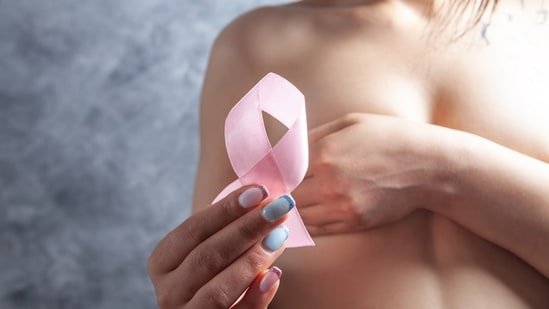
On World Cancer Day, the conversation around breast cancer in India is quietly but decisively evolving. Long viewed primarily through the lens of survival rates, the narrative is now broadening to focus on longevity, quality of life, and the possibility of living well during – and beyond – treatment. With advances in early diagnostics, targeted therapies, and holistic supportive care, breast cancer is increasingly being reframed not as a one-time medical crisis, but as a condition that can be managed with intention, dignity, and long-term wellbeing in mind.
HT Lifestyle reached out to Dr Indoo Ammbulkar – a leading medical oncologist with 18 years of experience, and the Head of Department of Medical Oncology at HCG Cancer Center, Mumbai – to gain expert insights on this matter.
She highlights, “Survival in breast cancer today means much more than simply completing treatment. Advances in screening, diagnostics, and therapies have significantly improved outcomes across different stages of the disease, allowing many patients to live longer with better disease control. At the same time, treatment decisions are increasingly personalised, taking into account tumour biology, risk of recurrence, and the patient’s overall health and life stage. This approach not only improves survival outcomes but also helps preserve quality of life, enabling patients to plan ahead, remain active, and focus on living well during and after cancer.”
The oncologist outlines the following four ways modern breast cancer therapies are reshaping how cancer survival is changing for patients in India:
1. Personalised treatment is replacing uniform care
According to Dr Ammbulkar, breast cancer includes multiple subtypes such as hormone receptor-positive, HER2-positive and triple-negative disease – and each of these require a different therapeutic approach.
She highlights, “Advances in diagnostic testing now allow clinicians to tailor treatment based on the biological characteristics of the tumour. This precision helps improve treatment effectiveness while reducing unnecessary side effects, enabling patients to move through care with greater physical and emotional stability.”
2. Tackling the risk of recurrence more proactively
The oncologist points out that for many breast cancer patients, concerns about recurrence can be as high as 50 percent, even after initial treatment. However, unlike conventional treatments, modern targeted therapies are designed to specifically address this long-term risk, significantly lowering the chances of recurrence and offering patients greater reassurance and sustained disease control.
She explains, “Today’s newly approved advanced therapies are increasingly designed to reduce this risk by targeting the specific pathways that drive cancer growth, and help in reducing the recurrence risk by nearly 30% as compared to conventional therapies. Personalised follow-up plans, ongoing monitoring, and supportive care help patients feel more prepared and less overwhelmed by uncertainty, allowing them to focus on recovery and long-term well-being.”
3. Extending disease control while preserving quality of life
According to Dr Ammbulkar, newer treatment approaches are increasingly focused on striking a careful balance between effective disease control and preserving a patient’s day-to-day functioning – ensuring that treatment supports not just survival, but the ability to live well during and after therapy.
She explains, “By minimising treatment-related disruptions and allowing flexibility in care plans, patients are better able to maintain routines, continue working, and stay engaged with family and social life. This shift reflects a broader understanding that survival must also account for how patients live, not just how long.”
4. Integrating emotional and supportive care into treatment
As clinical outcomes continue to improve, emotional wellbeing and survivorship planning are becoming integral to breast cancer care. Psychological support – including counselling, symptom management, and structured mental health interventions – is now being increasingly embedded into treatment pathways.
Dr Ammbulkar explains, “Addressing anxiety, fatigue, and emotional distress helps patients build resilience and navigate life beyond active treatment with greater confidence.”
This World Cancer Day 2026, the evolving approach to breast cancer care in India highlights an important truth: progress is no longer measured only in survival rates. By combining scientific innovation with personalised, holistic care, breast cancer treatment is helping patients live longer, live better, and reclaim control over their lives.
Note to readers: This article is for informational purposes only and not a substitute for professional medical advice. Always seek the advice of your doctor with any questions about a medical condition.
