

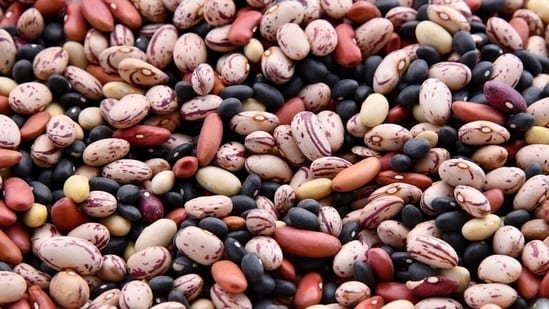
We already know that beans are good for gut health, thanks to their fibre content – but there’s a lesser-known upgrade that may be even better for your digestion: refried beans. Slow-cooked and mashed, they’re easier to digest than whole beans, gentler on the gut, and far less likely to leave you feeling bloated or gassy.
Karan Rajan, a UK-based surgeon and popular health content creator, is spotlighting the surprisingly powerful gut-health benefits of refried beans – a humble food that remains largely overlooked by most people despite its impressive nutritional impact. In an Instagram video shared on January 20, the surgeon explains that despite their unappetising appearance, refried beans function like a fine-dining treat for your gut microbiome, thanks to their rich and diverse fibre content.
The power of refried beans
Refried beans may look like a can full of unappetising mush, but these cooked, mashed pinto beans are a fine-dining feast for your gut bacteria, according to Dr Rajan, thanks to their rich fibre and resistant starch content that supports a healthier microbiome. The surgeon describes them as a “fermentation gold mine,” noting that they contain 16 grams of fibre per 100 grams, made up of multiple varieties of fibre that actively support gut fermentation and microbial diversity.
He explains, “You might think this looks like dog food, but it’s one of the best things you can eat for your gut health. Refried beans look the way they do because they’re cooked, mashed pinto beans. And beneath the post-apocalyptic baby food aesthetic, refried beans are a fermentation gold mine. Not only do they contain 16 grams of fibre per 100 grams, but they contain a combination of fermentable fibres: Type one and three resistant starch, galacto oligosaccharides, and other soluble fibres like pectin.”
Why are these fibres so important?
The diverse fibre profile of refried beans works like a multi-course meal for your gut bacteria – nourishing not just one strain, but multiple types of microbes, each thriving in different regions of the colon.
Dr Rajan explains, “This is important because this diverse fibre matrix acts as a multi-course tasting menu for different bacteria. The fibers in refried beans don’t just feed healthy bacteria, but crucially, they feed different bacteria that live in different locations in your colon. This creates deeper microbial diversity. And you know how leftover pasta and cold potatoes get healthier after cooling? Well, refried beans do the same thing. Beans already have resistant starch, the stuff your gut bacteria love, but refried beans have an even higher amount because they are pre-cooked, forming more type three resistant starch, the ‘wagyu beef’ of fibres.”
Health benefits
The resistant starch in refried beans supports better blood glucose control and improved insulin sensitivity, while also nourishing gut health. They’re also easier to digest than whole beans, as the slow cooking and mashing help break them down, making them gentler on the digestive system.
Dr Rajan explains, “Resistant starch helps with everything from insulin sensitivity to reducing postmeal glucose and even supporting colon health. And because refried beans are mashed and slow-cooked, they’re easier on digestion than whole beans. This means fewer noisy excursions emanating from your rectum. So whilst they may look like something your dog politely declines, this is fine dining for your gut bacteria.”
Note to readers: This article is for informational purposes only and not a substitute for professional medical advice. It is based on user-generated content from social media. HT.com has not independently verified the claims and does not endorse them.
