

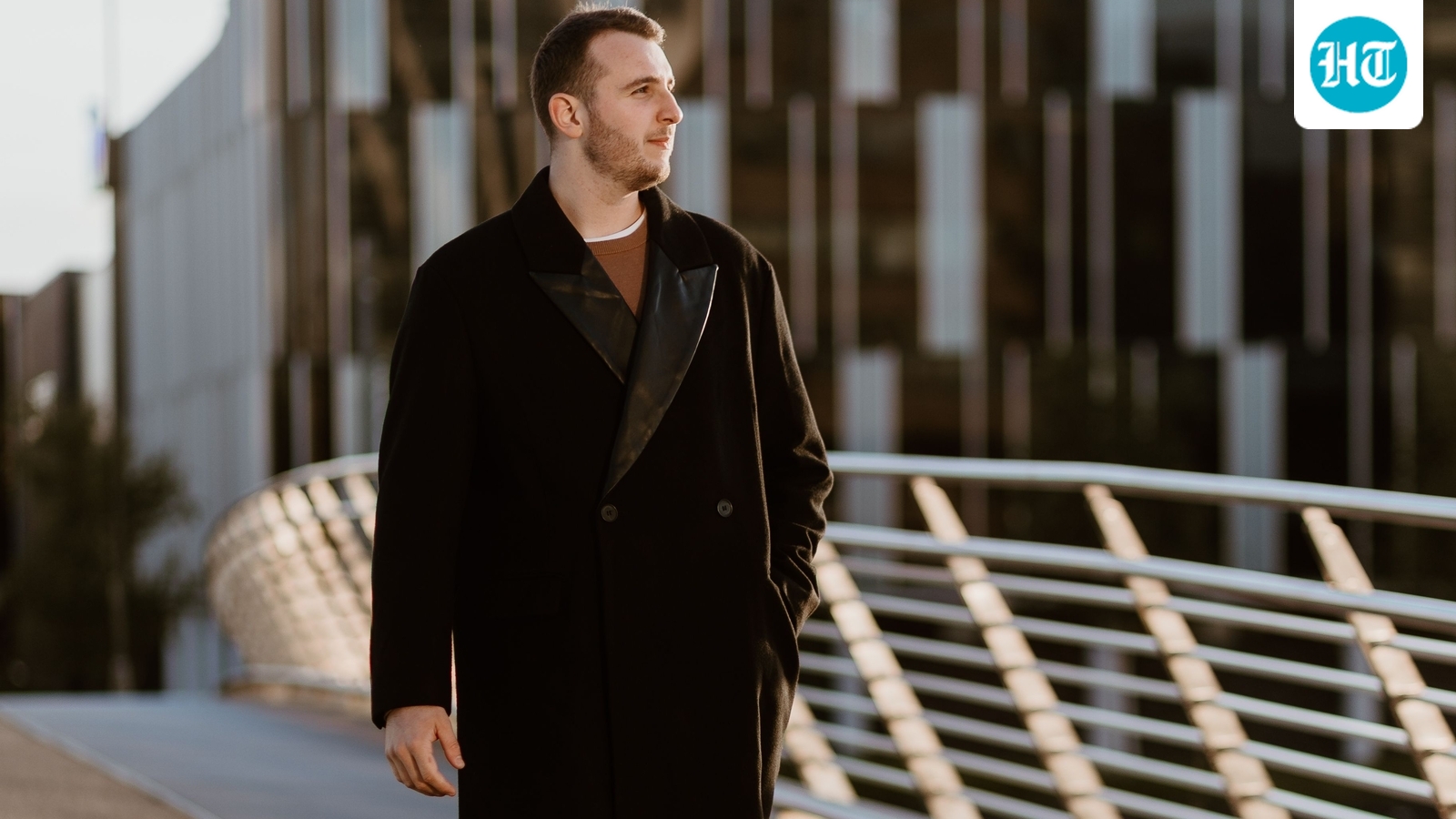
Winter wardrobes are shifting away from the old formula of heavy jackets over fitted clothes. Oversized sweatshirts, hoodies, and roomy outerwear now sit at the centre of how people dress when it gets cold, driven by a desire for pieces that feel comfortable, work hard, and still say something about the wearer. In an interview with HT Lifestyle, Ankit Kumar, founder and CEO of Incroy and Merv, shared winter layering tips.
Also read | From sangeet nights to wedding ceremonies: 7 outfit ideas to make you the best-dressed guest
Why layering matters in winter fashion
Kumar highlighted that layering is central to winter dressing, particularly as consumers look for clothing that can move between temperatures and occasions. Jackets, hoodies, and sweatshirts offer multiple combinations without requiring a change in wardrobe. One practical approach is to layer a jacket over a basic sweatshirt or hoodie. The combination works best when the pieces differ in texture, length, or colour.
A charcoal fleece-lined hoodie under a denim shacket, worn with straight-fit jeans and chunky sneakers, is a good example: the soft bulk of the hoodie sits against the stiffer structure of the denim, while the straight leg keeps the lower half clean.
“For a sharper take, a black oversized sweatshirt in heavyweight cotton can be paired with beige wide-leg trousers and a bomber jacket,” advised Kumar.
The dark top against light bottoms creates contrast, and the bomber’s shorter hem stops the volume from overwhelming the frame. For milder winter days, a lightweight jacket over a basic T-shirt and denim does the job.
“Your choice of outerwear also shapes the character of the outfit. Structured jackets add definition to relaxed clothing, while loose-fitting outerwear reinforces the oversized aesthetic. As casualwear and streetwear continue to overlap, the line between clothing for leisure and clothing for public settings is becoming less rigid,” highlighted Kumar.
Why colour coordination and proportions matter
According to Kumar, oversized fashion allows greater freedom in styling, but color coordination still matters. Neutral shades such as black, grey, beige, navy, and white are easy to mix, letting individual pieces work across multiple outfits. For more personality, a contrasting sweatshirt or statement jacket can become the focal point of an otherwise understated combination.
Monochromatic dressing is another practical approach. Combining different shades of the same colour creates continuity, while contrasting tones make an outfit more distinctive. Texture adds to the effect, particularly when materials such as fleece, denim, cotton, and nylon are layered together.
From seasonal purchases to long-term wardrobe investments
Kumar highlighted that shoppers are paying closer attention to how a single piece can work across several outfits rather than buying for one occasion. Sweatshirts, hoodies, and jackets suit this approach because they can be worn alone or combined in different ways. Fit and colour therefore matter when building a winter wardrobe.
A neutral oversized sweatshirt can work with denim, joggers, or tailored trousers, while a well-chosen jacket can be layered over both fitted and relaxed clothing. “The aim is to build combinations that stay wearable beyond a single trend or season. For fashion brands in the contemporary streetwear segment, this shift is an opportunity to address changing expectations around comfort, adaptability, and design,” said Kumar.
The category is no longer defined only by graphic-led clothing or casual silhouettes; it now includes everyday essentials that pair relaxed fits with functional styling.
