

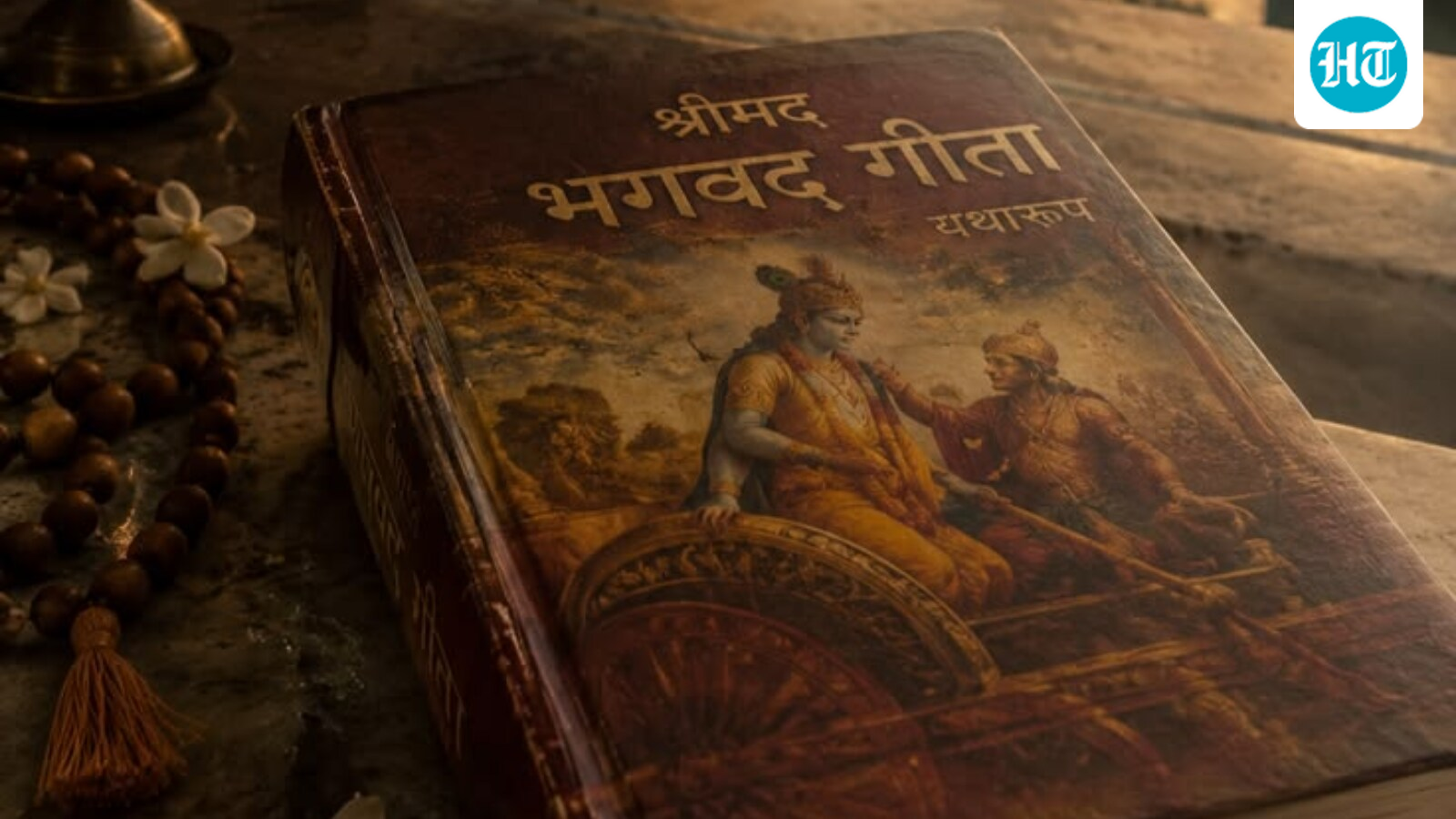
Love can make you feel secure, supported, and understood. But when your happiness begins to depend entirely on another person, it can become difficult to tell love apart from emotional dependence. The Bhagavad Gita offers a way to understand this difference and love without losing yourself.
A client once came to Sangeeta Sharma, certified Life coach, hypnotherapist & author, and asked, “If he doesn’t reply within an hour, I can’t breathe. I can’t eat. I can’t work. Is that love?”
Sangeeta gently asked her, “Does it feel like love, or does it feel like fear?”
The client sat quietly for a while before answering. Her eyes filled up, and she whispered, “Fear.”
Many people grow up believing that needing someone all the time is a sign of deep love. But there is a difference between loving someone and feeling that you cannot live without them. One allows you to feel secure, while the other can leave you anxious and emotionally drained.
What healthy attachment looks like
Attachment is not a bad thing. You need love, companionship, and a sense of belonging. But in a healthy relationship, you can feel secure even when your partner is not around. You can disagree, say no, and express what you want without constantly worrying that the other person will leave.
You enjoy having your partner in your life, but you also have your own interests, friendships, and opinions. You are happy to see them grow and pursue their goals, even when it means they have to spend time away from you.
A healthy relationship is about two people choosing to be together while still being comfortable with who they are as individuals.
What emotional dependence looks like
Emotional dependence can sometimes be mistaken for love. You may find yourself checking your phone repeatedly, waiting for a message, or feeling upset when your partner is unavailable. Your mood may depend on how they treat you that day. You might also stop expressing your opinions or ignore your own needs because you do not want to upset them.
Over time, you may find yourself staying in an unhappy relationship simply because the thought of being alone feels worse. Even a small disagreement or a change in your partner’s behavior can make you question the relationship and your own worth.
It is important not to blame yourself for these feelings. Emotional dependence can sometimes be linked to early experiences in which you did not feel secure or were unsure of receiving love and support. Understanding where these feelings come from can help you work through them.
A simple way to tell the difference
If you are unsure whether you are emotionally attached or dependent on someone, ask yourself three questions:
- When my partner is away, do I miss them or feel lost without them?
- Do I give because I want to, or because I am afraid of losing them?
- Can I be myself in this relationship?
Missing someone is a normal part of being in love. But when your happiness, confidence, and decisions depend entirely on another person, it may be time to look at the relationship more closely.
What the Bhagavad Gita teaches
Krishna did not ask Arjuna to give up his relationships or stop caring about the people in his life. Instead, the Bhagavad Gita speaks about understanding attachment and learning to remain steady even when things do not go as you expect.
Bhagavad Gita 2.62–63 explains how constantly thinking about something can lead to attachment, followed by desire, anger, and confusion when things do not happen as expected. Think about waiting for a message from someone you love. When you become too attached to their response, even a delayed reply can upset you. The concern is not that you love the person, but that you begin to depend on their response to feel okay.
Bhagavad Gita 2.47 reminds you that you have control over your actions, not their results. You can express your feelings honestly and treat your partner with care, but you cannot decide how they will respond. Trying to control their reactions can make a relationship difficult for both people.
Bhagavad Gita 6.5 asks you to lift yourself through your own Self. Your partner can support you, but your happiness and sense of worth cannot depend entirely on another person.
Bhagavad Gita 2.48 speaks about maintaining balance of mind. In a relationship, this means not allowing every disagreement, delayed reply, or change in your partner’s mood to affect how you see yourself.
Bhagavad Gita 12.13–14 describes nirmama, which refers to being free from possessiveness. Love does not mean treating someone as your possession or expecting them to behave according to your wishes.
Bhagavad Gita 5.10 uses the example of a lotus leaf resting on water without getting wet. You can love someone and be fully involved in a relationship without losing yourself in it.
How to prepare yourself to attract a healthy relationship
- Start by noticing when you are holding on because you are afraid of losing someone. When you feel the urge to send another message or keep checking your phone, pause for a moment. Place your hand on your heart and take five slow breaths. Remind yourself that you do not have to react to every feeling immediately.
- Make time for your friends, hobbies, and interests. Go for a morning walk, meet someone you enjoy spending time with, or return to something you liked doing before the relationship became the center of your life.
- You can also ask yourself each day, “Did I express my feelings honestly today?” Say what you need to say, but remember that you cannot control the other person’s response.
- Most importantly, do not be afraid to seek help. Talking to a coach or counselor can help you understand why you feel this way and work through these patterns. If these feelings are affecting your daily life or causing significant distress, consider speaking with a qualified mental health professional.
You can love someone deeply without making them responsible for your happiness. You can care for them, share your life with them, and still have a sense of who you are outside the relationship. The lotus doesn’t leave the water. It simply rises above it.
ALSO READ: Dhanteras 2026: Puja muhurat, best time to buy gold and silver, and dos and don’ts for the festival
Disclaimer: This article explores emotional attachment through the teachings of the Bhagavad Gita and is intended for general awareness. It is not a substitute for professional mental health advice or support.
