

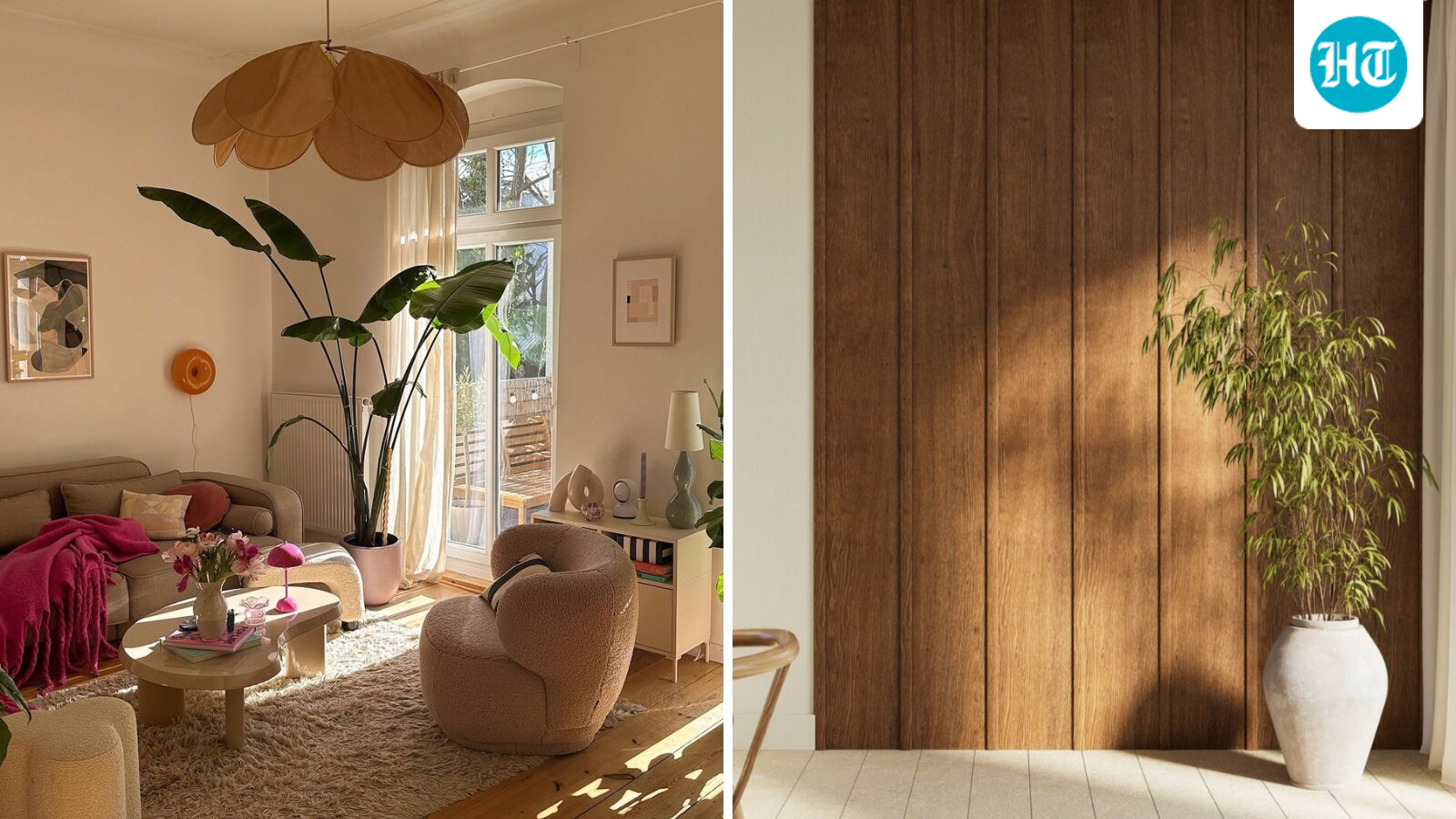

Minimalism has made home interiors feel clean and uncluttered, but it can sometimes leave spaces looking too plain or similar to one another. While walls have traditionally been treated as the finishing touch of interior design, they can also be the starting point for shaping the character of a room. After all, the choice of wall colour, texture and finish can influence how an entire living space looks and feels. Earlier, homeowners chose a paint colour, coordinated it with the furniture, and moved on to lighting and accessories. Today, however, walls and ceilings are becoming integral elements of interior design, with textured surfaces, decorative panels, natural finishes and subtle patterns adding character to living spaces. From warmer interpretations of minimalism to a renewed interest in tactile materials and thoughtfully designed ceilings, home interiors are evolving beyond flat colours and conventional finishes. The focus is shifting toward spaces that feel personal, visually appealing, and practical for everyday living.
Sharing his perspective on this shift, Mr Parth Parmar, Director, PARE Innovations, explains how changing homeowner preferences are influencing wall treatments, surface materials and ceiling designs.
1. Textured walls are moving beyond plain paint
One of the noticeable changes in home interiors is the growing interest in walls that offer texture. Textured finishes, fluted surfaces, decorative panels, and subtle patterns are giving homeowners new ways to add depth and visual interest to their spaces while also providing a little bit of character to the home interior. Unlike heavily decorated walls, textured walls can add character without overwhelming a room. The choice of texture, pattern, and finish can also affect how a space looks, helping create a focal point in the living room, bedroom, or dining area.
Parmar observes that this shift reflects a broader change in how people approach interior design. Homeowners are looking for spaces that feel thoughtfully designed rather than simply furnished with attractive colours and expensive pieces. The growing range of engineered materials and decorative surface panels is also giving designers more flexibility to experiment with different finishes while maintaining an elegant and cohesive look across the home.
2. Minimalism is becoming warmer and more inviting
Minimalist interiors continue to appeal to homeowners, but the aesthetic is evolving. Instead of relying exclusively on white walls, cool neutrals and uncluttered surfaces, contemporary minimalism is incorporating warmer colours, natural textures and wood-inspired finishes. For instance, a living room with a neutral sofa and simple furniture can feel more welcoming with wood-finish wall panels or a subtle fluted surface behind the television unit. Similarly, textured finishes in earthy shades can add depth to a bedroom without introducing too many decorative elements.
According to Parmar, the aim is not to move away from simplicity but to make it feel more personal and comfortable. Materials that introduce warmth and texture can prevent a minimal space from appearing cold or unfinished. This approach also allows homeowners to maintain clean lines and uncluttered layouts while giving their interiors a more distinctive identity.
3. Accent walls are making colour more approachable
While beige, white, and other neutral shades remain popular, homeowners are increasingly willing to experiment with colour. The difference is in how they use it. Rather than covering every wall in a bold shade, many are trying colour through accent walls, smaller sections, and individual design elements. A muted green wall in the living room, a warm terracotta finish in the dining area, or a deeper shade behind the bed can add personality without disrupting the overall balance of the space.
Parmar notes that the availability of different surface panels and finishes gives homeowners more opportunities to explore colour and texture in a controlled way. This makes it possible to create visual interest while keeping the rest of the interior relatively understated. The key is to consider how the chosen shade works with the flooring, furniture, lighting, and other finishes. A well-planned accent wall should complement the room rather than compete with everything around it.
4. Decorative panels are adding depth to everyday spaces
Decorative wall panels are becoming another option for homeowners looking to move beyond conventional painted surfaces. Depending on the material and finish, they can add linear patterns, subtle relief, wood-inspired detailing, or a more structured appearance. Fluted panels, for example, can create a sense of rhythm on a wall, while wood-finish panels can make a room feel warmer. These treatments can be used behind a television unit, around a headboard, or along a selected section of the dining area. Parmar highlights how engineered materials and panel systems are expanding the possibilities available to homeowners and designers. They offer different ways to work with surface details while maintaining consistency across an interior scheme. However, panel selection should depend on the room’s proportions and the overall design. Using too many patterns or competing finishes in a small room can make it appear busy.
5. Ceilings are becoming part of the design conversation
For a long time, ceilings received far less attention than walls, flooring, and furniture. They were often painted white and treated as a functional part of the room rather than an opportunity to enhance its appearance. That approach is gradually changing as designers explore ways to connect ceilings with the rest of the interior. Soffit panels, baffles, and linear ceiling systems are among the solutions that allow designers to introduce structure, texture, and visual continuity overhead. Depending on the space, these elements can complement wall treatments, define specific zones, or create a more considered transition between different areas.
Parmar believes this growing attention to ceilings reflects a more holistic approach to interior design. Rather than treating each surface separately, designers are considering how walls, ceilings, and other elements work together to shape the experience of a room. For homeowners, the key consideration is proportion. Ceiling treatments should suit the room’s height, lighting, and layout instead of making the space feel visually heavy. In compact homes, simpler detailing may be more effective than elaborate designs.
6. Material selection is becoming as important as appearance
A visually striking interior may look impressive in photographs, but its true value also depends on how well it performs in everyday use. Homeowners are increasingly weighing maintenance, durability, and long-term suitability alongside colour and finish when choosing materials for their homes. This is especially important for wall and ceiling treatments, where the material must suit the intended application. Factors such as moisture exposure, cleaning requirements, installation conditions, and the manufacturer’s maintenance guidance can all affect whether a particular finish is appropriate.
Parmar notes that interior design choices should reflect how people actually live in their homes. A surface should not only enhance the overall aesthetic but also meet the practical needs of the space where it is installed. Before selecting a panel or decorative finish, homeowners should understand its material specifications, recommended uses, and care requirements. A finish that works well in a dry living room may not be suitable for a moisture-prone area.
7. Homes are moving towards more thoughtful, coordinated interiors
Perhaps the most significant change is the move away from selecting individual design elements in isolation. Homeowners are increasingly considering how wall finishes, ceiling details, furniture, lighting, and colours work together to shape the overall atmosphere of a room. For example, a living room with simple furniture may benefit from a textured feature wall, warm lighting, and a complementary ceiling finish. Parmar notes that the growing range of panel systems, textures, and finishes is giving designers greater flexibility to respond to different preferences. However, he believes that careful selection matters more than the number of materials used.
What does this mean for homeowners?
The changing approach to walls and ceilings does not mean every home needs elaborate panels, bold colours, or decorative ceiling systems. Instead, it creates more opportunities for homeowners to personalise their spaces based on their needs, preferences, and budgets. A single textured wall, a warmer finish, or a carefully chosen ceiling detail may be enough to transform a room’s atmosphere. The decision should depend on the available space, the existing furniture, the lighting, and the level of maintenance the homeowner is comfortable with. As Parmar suggests, the future of home interiors is less about following a single dominant trend and more about making deliberate choices.
Disclaimer: At Hindustan Times, we help you stay up-to-date with the latest trends and products. Hindustan Times has an affiliate partnership, so we may get a part of the revenue when you make a purchase. We shall not be liable for any claim under applicable laws, including but not limited to the Consumer Protection Act, 2019, with respect to the products. The products listed in this article are in no particular order of priority.
