

Do you also leave cooked food on the counter to let it cool? Everyday shortcuts like this may make your work in the kitchen easier, but leaving food out for too long can increase the risk of food poisoning.
You may associate food poisoning with eating out, but even home-cooked meals require careful handling and storage to stay safe. Ingredient quality and hygiene during cooking, sure, are relevant for food safety, but what happens after a meal is prepared is also significant. How long the food is left out, how it is refrigerated, and how it is reheated can all affect food safety.
Moreover, proper food storage can help prevent unnecessary food wastage too. An expert commented on how storage mistakes can compromise food safety.
Dr Eileen Canday, the head of the Department of Nutrition and Dietetics at Sir H.N. Reliance Foundation Hospital, simplified the guidelines for storing, refrigerating, and reheating food safely.
Food left out in warm conditions for too long may become unsafe to eat as bacteria multiply. The dietician explained, “Most food poisoning bacteria tend to grow at the rate of doubling their numbers every 20 minutes between 5C and 60C.” This means food may look and smell fine but still pose a risk of food poisoning.
What are the most common foods that get spoiled first?
The dietician named a few foods that are the first to get spoilt.
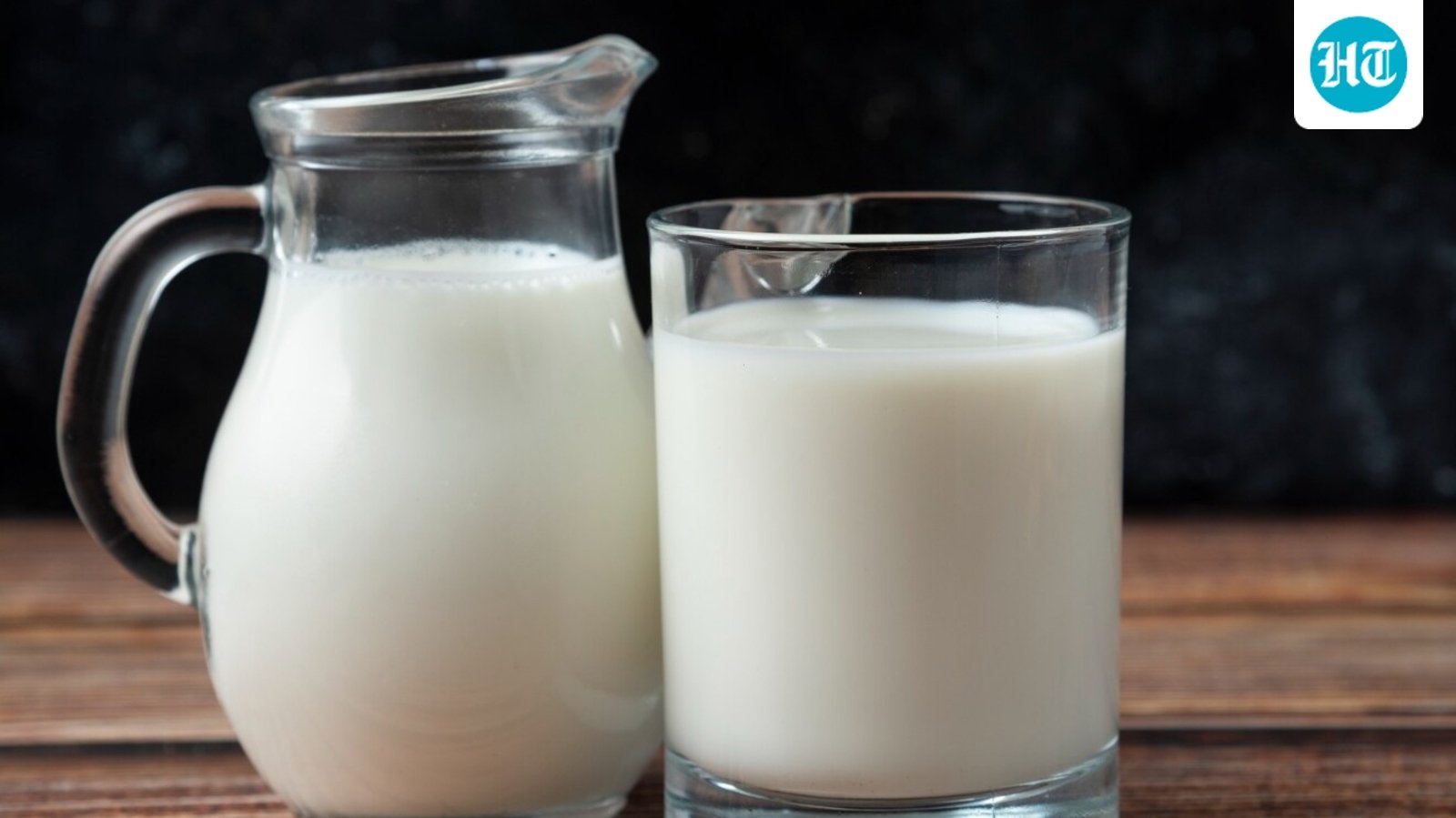
“Milk is one of the first foods that become spoilt since the composition of milk helps the growth of bacteria. Rice, dal, curries, and fresh fruits that have been kept out of refrigeration can also be hazardous if left for more than 2 to 3 hours,” she said.
Even foods such as bread, nuts, and dry foods can develop mould in humid conditions. This shows that foods spoil in different ways: while milk supports bacterial growth, moisture causes mould to grow on dry foods.
What are the common errors made during food storage?
Food poisoning is not limited to junk food, nor is it caused by spiciness itself. Even home-cooked meals can cause food poisoning if they are not handled or stored properly.
Canday urged people to watch out for these common errors that can prompt food poisoning:
- Leaving the prepared food out on the counter to ‘cool off.’
- Overfilling the fridge, thus hindering the flow of cold air.
- Keeping the raw and prepared foods together.
- Reheating the food many times.
- Cleaning the fruits/vegetables well in advance.
- Relying only on smell.
How to store, refrigerate, and reheat food safely?
Here are some dietitian-approved tips from the dietitian recommended for storing, refrigerating, and reheating food:
- Refrigerate cooked food within two hours, or within one hour during an excessively hot day.
- Set the refrigerator temperature at 5°C or below and the freezer at -19°C.
- Store food in shallow containers to help it cool quickly.
- Boil milk immediately, then refrigerate it once it has cooled to room temperature.
- Keep uncooked foods dry and cover fruits before refrigerating them.
- Reheat food until it is steaming hot throughout, reaching at least 74°C.
- Avoid reheating food more than once.
Food safety is not a scary thing; it’s just a matter of little things done consistently.
Note to readers: This article is for informational purposes only and not a substitute for professional medical advice. Always seek the advice of your doctor with any questions about a medical condition.
