

The moment you attach the tag “queer” to a romance novel, readers expect two things. “That it will be a coming out story, and a tale of going through an identity crisis,” says Rahul Singh, 29, Kolkata-based sociologist and author. Most readers (and most people) can’t look past this formula. They expect the plot to tackle some essential past trauma, the fear of coming out, the challenge of overcoming societal rejection, and some kind of neat acceptance arc in the closing chapter.
Queer life, however is richer and messier. No two tales are alike. “Let’s be real. It’s still difficult to be a queer person, especially in India,” says Singh. “But while those are important stories to tell, the experience of being queer is so much more.” New novels, thankfully, have been focusing on how wonderful queer love is. There are tales of families showing up for their kids, friends who support everyday dilemmas, queer characters who are learning to love themselves. Might queer romantic fiction be the genre that gets us through this loveless time?
Closet cleanse
For the most part, Indian queer writing has been dominated by gritty, hard-hitting non-fiction. Yaarana: Gay Writing From South Asia, published in 1999 and edited by the poet Hoshang Merchant, was among the first attempts to give the community a literary voice. In 2005, Yoda Press published the anthology Because I Have a Voice: Queer Politics in India. Sachin Kundalkar’s Cobalt Blue (2013) and Saikat Majumdar’s The Remains of the Body (2024) weren’t just about love, but unrequited desire and the internalised shame of not conforming to a gender or sexual orientation. “Now, we’re seeing heartwarming stories about queer love too,” says Farhad J Dadyburjor, 52, author of Queerly Beloved, which was released this year. “Readers want things to actually work out for queer characters.”
Singh’s book, Unfolding (2026), is set in Kolkata and plays out through two intersecting stories – Ralph’s and Ojas’s relationship, and the marriage of their house help Zubina and her husband Adil. Rather than having the gay couple model their ideas of love after the straight one, Singh shows Zubina being inspired by the tenderness and intimacy the two share. “We don’t often show queer people just existing in a domestic setting – how they live, love, argue and make up.”
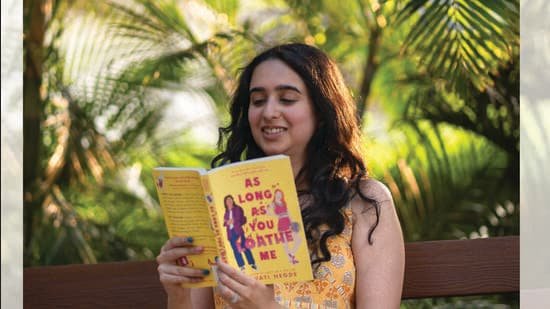
Other books are moving past the boy-girl ideal of romantic love. In Swati Hegde’s As Long as You Loathe Me (2026), the strong-willed, stubborn 17-year old Meera is raised by two loving gay dads, while her love interest Lucy has been impacted by her straight parents’ divorce. Hegde, 30, says it was inspired by her own family, who are supportive of her being bisexual. “We have too many stories of families who cast out their kids when they come out. I wanted to show that some parents are willing to show up for their kids no matter what.”
Lessons in love
India’s more recent same-sex romances don’t obsess over whether the couple will get together. They explore how each character builds a relationship with themselves. In Unfolding, both men struggle with their own baggage: Ralph with loneliness and the pain of his mother’s death; Ojas doesn’t know whether he wants a committed or open relationship. “Millennial men haven’t been taught to be vocal about their inner conflicts,” Singh says. “The love story really is about who they are becoming.”
In As Long as You Loathe Me, which is set in California, both Meera and Lucy are in denial about how they feel about each other. The two are at loggerheards, unwilling to make the first move to reinstate their broken friendship. “Before they even get to admitting that they’ve hurt each other, they have to admit that they’ve lost sight of the love and respect they had for their own selves,” Hegde says. “The most important love story is the one we have with ourselves.”
Finding your tribe
Queerly Beloved is about a Bollywood-style, big, fat, gay wedding. But the story, as with Dadyburjor’s 2021 novel The Other Man, is about family. Dollyji, Ved’s mother, is like every Indian parent ever, hoping that her son finds a good match. But the moment she finds out that her son is gay, she readily accepts him, and is eager to throw him a huge celebration and show off her new son-in-law to her relatives. “It’s important to show that kind of approval because we need to feel hope,” says Dadyburjor. “Queer people need to see stories in which they aren’t choosing between expressing themselves or being on good terms with their family. It’s possible to have both.”
It’s the kind of optimism that has lately been missing in straight-character love stories in books and on screen. In the end of As Long as You Loathe Me, both Meera’s and Lucy’s friends mesh into one, big, happy bunch. The two realise that were it not for their friends’ support, they’d never have made it back to each other. “Queer romances often emphasise found family,” Hegde says. “It’s about the people who choose you and support you. And that’s honestly a radical kind of acceptance to extend to someone.”
From HT Brunch, June 20, 2026
Follow us on www.instagram.com/htbrunch
