

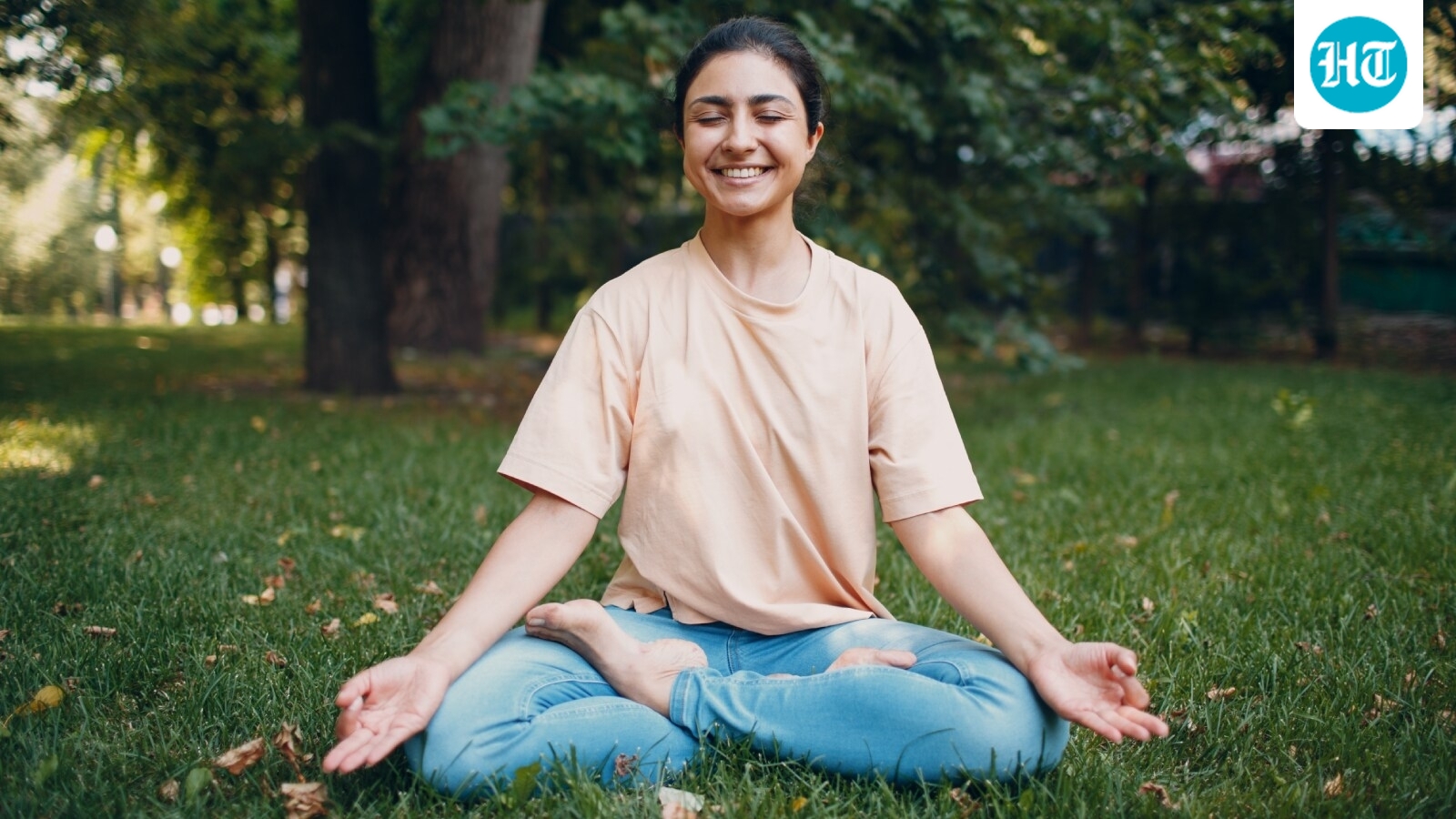
As the days grow shorter and temperatures drop, many people notice a dip in their energy and mood. This seasonal shift, often referred to as the winter blues, can make even simple daily tasks feel heavier. For some, it may take the form of seasonal affective disorder (SAD), where reduced sunlight interferes with serotonin levels, affecting mood, sleep, and emotional balance. While professional care may be essential in some instances, lifestyle practices like yoga can offer meaningful support. Yoga gently calms the nervous system, improves circulation, and creates a sense of mental warmth, helping the body and mind cope better with winter’s emotional challenges.
How does yoga help improve mood during winter?
A comparative study published in the International Journal of Indian Psychology found that yoga practitioners reported significantly lower levels of depression, anxiety, and stress than non-practitioners. Yoga supports emotional health by regulating the nervous system, improving blood flow, and encouraging the release of endorphins, chemicals that naturally lift mood. This can reduce the risk of winter blues.
Yoga teacher and wellness expert Saurabh Bothra, co-founder of Habuild, explains that consistent yoga practice can help people feel more grounded, energised, and emotionally balanced during seasonal lows.
5 yoga poses to uplift mood during gloomy weather
1. Bhujangasana (Cobra Pose)
Bhujangasana is a gentle backbend associated with emotional upliftment and improved mood, making it beneficial for those experiencing seasonal lows or persistent fatigue. “This pose helps reduce symptoms of mild to moderate depression and improve sense of self-esteem and emotional regulation, contributing to better overall mental well-being,” Bothra tells Health Shots.
To perform this pose: Lie on your stomach with your palms beside your chest and elbows close to your body. Press into your hands to lift your chest while keeping your pelvis rooted to the floor. Lengthen the spine, soften the shoulders away from the ears, and hold the position while breathing steadily.
2. Virabhadrasana II (Warrior II)
This asana strengthens the legs, core, and back, building stamina and confidence. The grounded stance improves focus and fosters emotional resilience and presence.
To perform this pose: Stand with feet wide apart, turn one foot outward, bend the front knee, and extend arms parallel to the floor. Gaze over the front hand while keeping the chest open and spine tall.
3. Setu bandhasana (Bridge pose)
Setu bandhasana has a calming yet energising effect on the mind and body, making it particularly helpful for managing stress, anxiety, and mood swings. “The gentle lift of the chest encourages deep breathing, which activates the parasympathetic nervous system and helps the mind feel more relaxed and settled, enhancing sleep quality,” explains Bothra.
To perform this pose: Lie on your back with knees bent and feet hip-width apart. Press your feet into the mat, lift your hips upward, and interlock your hands beneath your back while lengthening your spine. Hold the position while breathing slowly before gently releasing.
4. Balasana (Child’s pose)
Offering a calming counterbalance to overstimulation and anxiety, this restorative posture relaxes the lower back, releases physical tension, and encourages introspection without emotional overwhelm.
To perform this pose: Kneel on the floor, sit back on your heels, and fold forward so that your chest rests on your thighs and your forehead touches the ground. Extend your arms forward or let them rest by your side while focusing on deep, rhythmic breaths.
5. Adho Mukha Svanasana (Downward-facing dog)
The downward-facing dog pose holds more than physical value. It supports emotional balance by reducing stress, calming the nervous system, and improving focus. The increased blood flow to the brain refreshes the mind, uplifts mood, and restores energy, making it especially helpful for combating low motivation during the colder months.
To perform this pose: Begin on your hands and knees. Tuck your toes, lift your hips, and back into an inverted V-shape, with your hands shoulder-width apart and your heels moving toward the floor.
Consistency is key when it comes to experiencing the emotional benefits of yoga. Practising regularly can help boost motivation and energy levels during low-energy winter days. According to Bothra, community-based yoga practice can help people stay committed and feel supported. Remember, while yoga is not a replacement for medical care, it plays a meaningful role in easing seasonal mood dips, calming the mind, and promoting overall mental and emotional well-being during winter.
(Note to readers: This article is for informational purposes only and not a substitute for professional medical advice. Always seek the advice of your doctor with any questions about a medical condition.)
